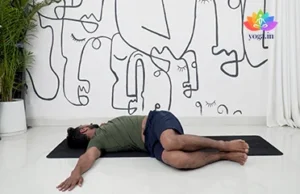
Jathara Parivartanasana (The Abdominal Twist)
The Sanskrit name is derived from Jathara (ञठर) meaning belly or abdomen, Parivarta (परिवर्त) meaning revolving…
Explore →
Yoga poses for arms build strength, tone and flexibility through steady holds that load the arms and shoulders.
Browse All Poses
The Sanskrit name is derived from Jathara (ञठर) meaning belly or abdomen, Parivarta (परिवर्त) meaning revolving…
Explore →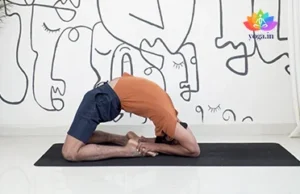
Kapotasana (कपोतासन)
The Sanskrit name is derived from Kapota (कपोटा) meaning pigeon or dove and asana (आसन) meaning…
Explore →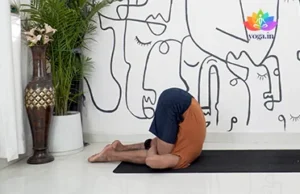
The Sanskrit name is derived from Karna (कर्ण) meaning ear, Pida (पीडा) meaning pressure and asana…
Explore →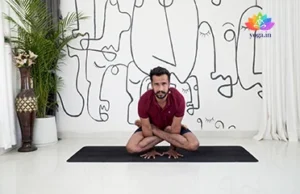
The Sanskrit name is derived from Kukkut (कुक्कुट) meaning rooster and asana (आसन) meaning posture or…
Explore →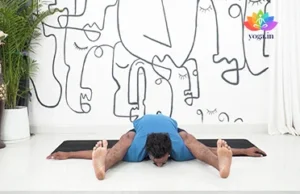
The Sanskrit name is derived from Kurma (कूर्मा) meaning tortoise and asana (आसन) meaning posture or…
Explore →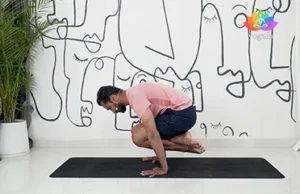
The Sanskrit name is derived from Lolā (लोला) meaning dangling posture and asana (आसन) meaning posture…
Explore →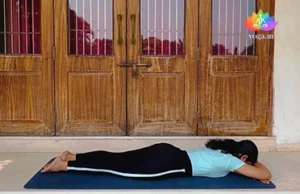
The Sanskrit name is derived from Makara (मकरा) meaning crocodile and asana (आसन) meaning posture or…
Explore →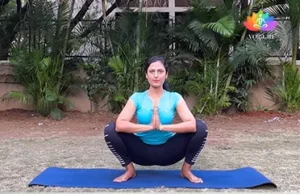
The Sanskrit name is derived from Mala (माला) means garland or rosary and āsana (आसन) meaning…
Explore →Yoga poses for arms are steady postures that build strength, tone and flexibility in the arms and shoulders. They do not replace care for an injury. This page lists safe poses by level and explains when to see a doctor.
Understanding the Category
Yoga poses for arms use body weight to work the shoulders, upper arms, forearms and wrists. Strong, flexible arms help with lifting, carrying and posture. Most poses are held for a few slow breaths.
These poses fall into three groups:
Start with kneeling poses. Warm up the wrists first and add load slowly.
Why Practice
Suitability
Contraindications
Safety Note: Always consult a qualified yoga teacher and your healthcare provider before practising if you have existing medical conditions, injuries, or are pregnant.
By Level
By Level
By Level
Anatomy
Practice Tips
Common Questions
Yes. Weight bearing poses such as Downward-Facing Dog and Low Plank work the arms and shoulders. Results vary, so build up slowly and keep the practice regular.
Tadasana, Balasana, Marjariasana and Bhujangasana are gentle starting points. Go slowly, warm up the wrists and stop if anything hurts.
Yoga builds lean strength and tone, not large bulk. For size, add resistance training. Yoga supports it with mobility and shoulder control.
Weak or stiff wrists often complain in weight bearing poses. Warm up first, spread the fingers and spread the load. Come down onto the forearms or knees if needed.
Aim for 20 to 30 minutes, three to five days a week. Short, regular sessions work better than rare long ones. Rest if the arms feel sore.
See a doctor for numbness, tingling, sudden weakness or swelling. Seek urgent care for arm pain with chest pain or breathlessness. A doctor can find the cause and guide safe practice.
Keep Exploring

by Laura Lynch Dharamsala is a backpacker’s haven situated on the foothills of the Dhauladhar range of the Himalayas in…
Read Article →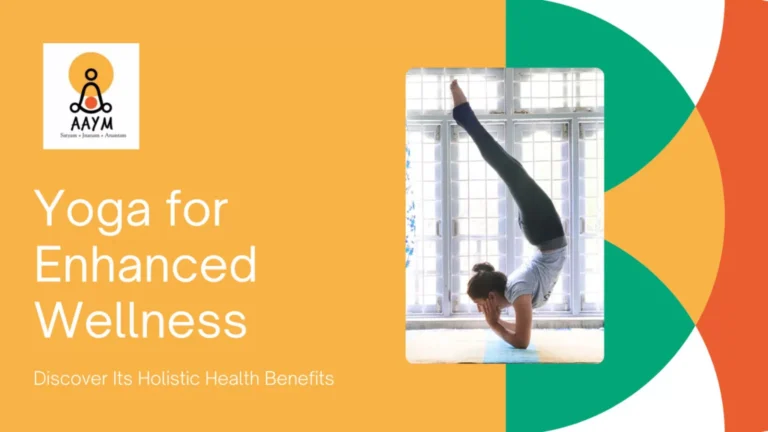
“Incorporating yoga into your daily routine is a powerful step toward holistic health. It’s a practice that nurtures not just…
Read Article →
In today's fast-paced work environment, many office workers find themselves glued to their desks for hours on end. Prolonged sitting…
Read Article →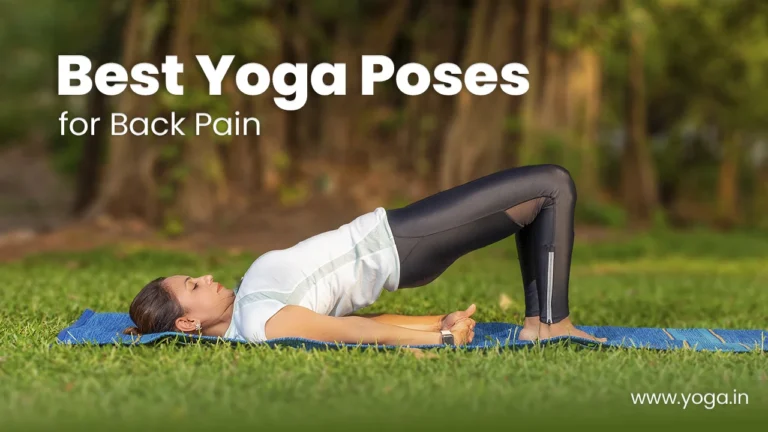
Back pain is a common ailment that affects millions of people worldwide. Whether caused by poor posture, muscle strain, or…
Read Article →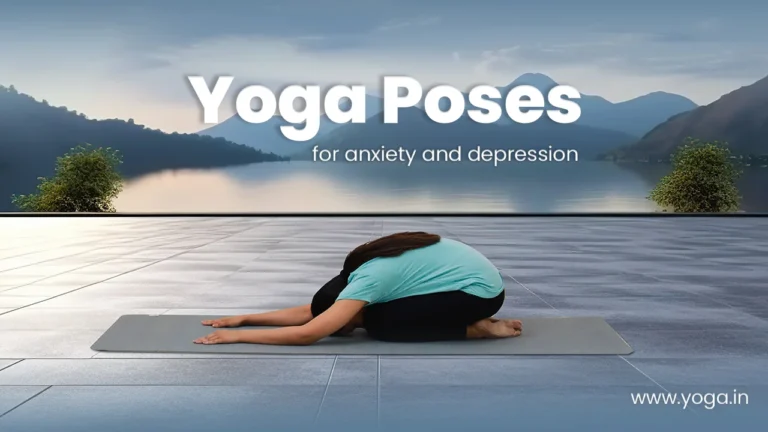
In today's fast-paced world, anxiety and depression have become common diseases, impacting millions of people globally. While modern medicine offers…
Read Article →Please login with social account to support this post.