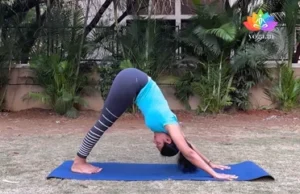
Adho Mukha Svanasana (Downward-Facing Dog Pose)
The sanskrit name is derived from adhas (अधस्) meaning down, mukha (मुख) meaning face, śvāna (श्वान) meaning dog and āsana…
Explore →
Yoga poses for ankles build strength, balance and mobility through slow, steady work on the feet and lower legs.
Browse All Poses
The sanskrit name is derived from adhas (अधस्) meaning down, mukha (मुख) meaning face, śvāna (श्वान) meaning dog and āsana…
Explore →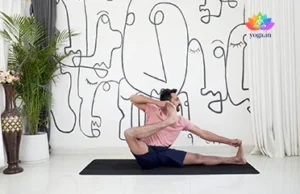
The Sanskrit name is derived from Akarna (अकर्णा ) meaning towards the ear, Dhanura (धनुर) meaning…
Explore →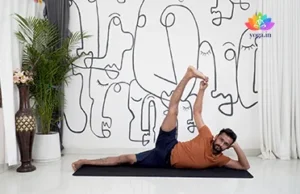
The Sanskrit name is derived from Ananta (अनन्त) meaning without end or the infinite one and…
Explore →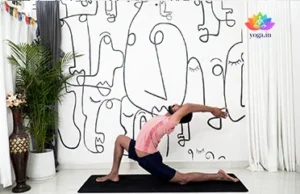
The Sanskrit name is derived from Anjane (आंजने) meaning Hanuman, the son of Anjani and asana…
Explore →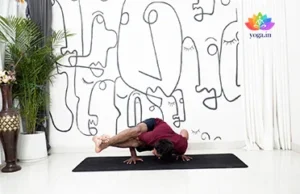
The sanskrit name is derived from ashta (अष्ट) meaning eight, Vakra (वक्र) meaning curved or bent…
Explore →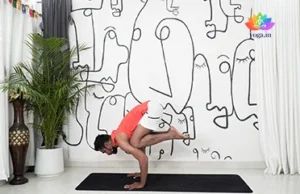
The Sanskrit name is derived from Baka (बक) meaning crane or Kaka (काक) meaning crow and…
Explore →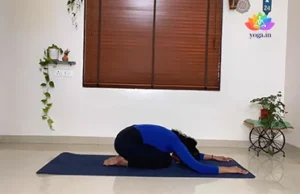
The Sanskrit name is derived from Bala (बाला) meaning child and āsana (आसन) meaning posture or…
Explore →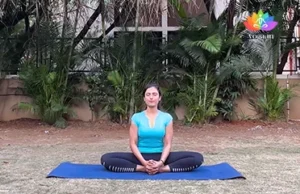
The Sanskrit name is derived from Bhadra (भद्रा) meaning gracious, auspicious or blessed and āsana (आसन)…
Explore →Yoga poses for ankles are slow postures that build strength, balance and mobility in the feet and lower legs. They do not replace care for an injury. This page lists safe poses by level and explains when to see a doctor.
Understanding the Category
Yoga poses for ankles work the muscles and joints of the feet and lower legs. Strong, flexible ankles help you stand, walk and balance well. Most poses use body weight and are done slowly.
These poses fall into three groups:
Start on a flat mat. Move slowly and use a wall or props for support.
Why Practice
Suitability
Contraindications
Safety Note: Always consult a qualified yoga teacher and your healthcare provider before practising if you have existing medical conditions, injuries, or are pregnant.
By Level
By Level
By Level
Anatomy
Practice Tips
Common Questions
Yes. Standing and balance poses work the muscles around the ankle. Practice slowly and often. Results vary, so build up gently and stop if you feel pain.
Vajrasana, Balasana, Anjaneyasana and Adho Mukha Svanasana stretch the front and back of the ankle. Malasana opens it further. Use padding under the ankles if needed.
Not while it is swollen or painful. See a doctor first. Once cleared, start with seated and supported poses before any standing balance work.
Hold for 20 to 30 seconds and breathe slowly. Repeat once or twice. Shorten the hold if the ankle feels tired or sore.
Props help. Use a folded blanket under the ankles, a block under the hips and a wall for balance. Props let you work at a safe pace.
See a doctor if you cannot bear weight or the ankle is deformed, numb or very swollen. Also go if pain lasts more than a few days. A doctor can rule out a fracture or ligament tear.
Keep Exploring
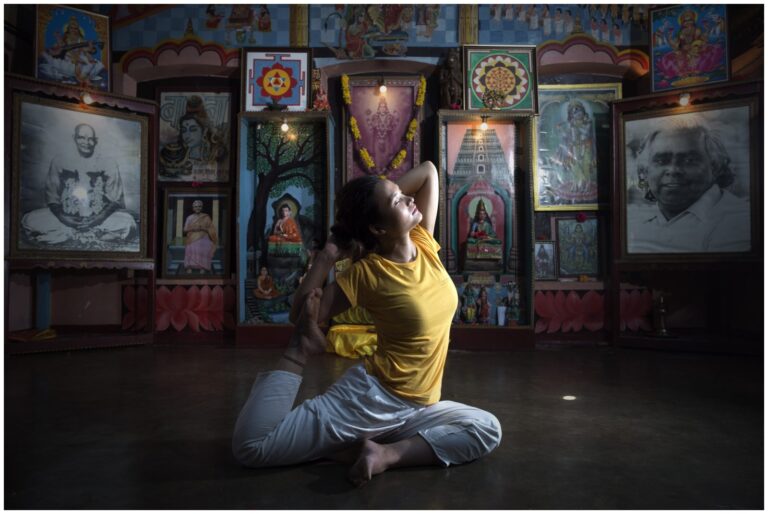
During these virus-shaken days many of us are seeking for online guidance on their yogic path. Numerous online courses pop…
Read Article →
Dr. Ananda Balayogi Bhavanani incorporates two seemingly opposing worlds: During his childhood and early adult years, he lived an ashram…
Read Article →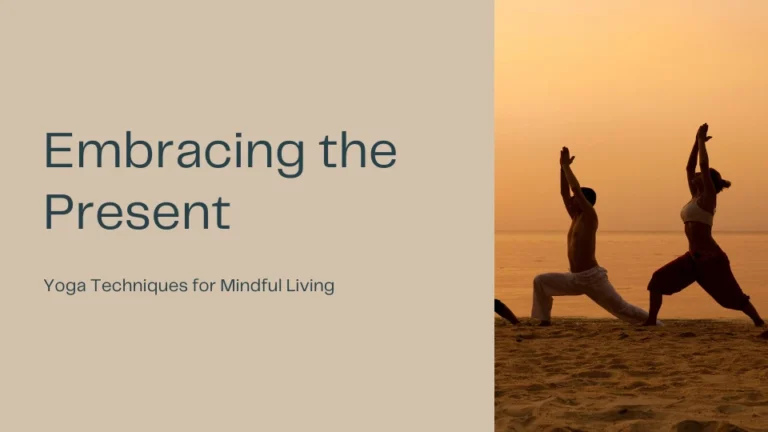
“Yoga techniques for mindfulness are more than just exercises; they are invitations to live more fully in the present moment.…
Read Article →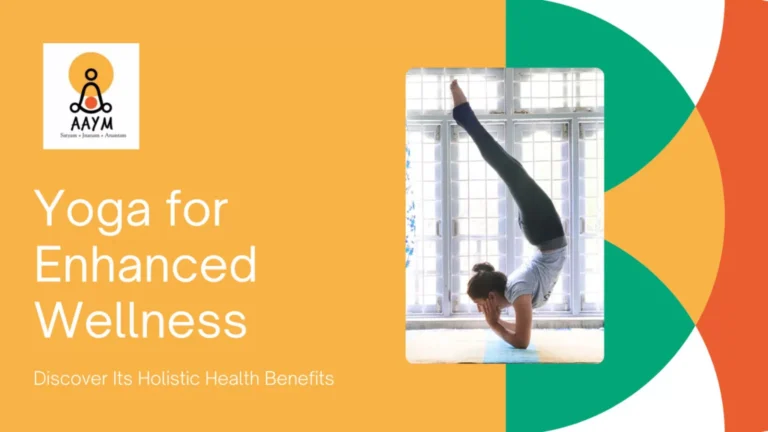
“Incorporating yoga into your daily routine is a powerful step toward holistic health. It’s a practice that nurtures not just…
Read Article →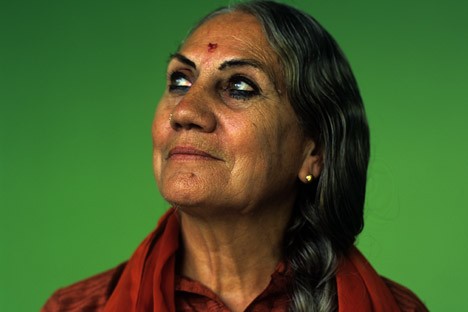
[gallery ids="3276,3275,3274,3273" type="slideshow"] DR. ANANDA BALAYOGI BHAVANANI “Science and spirituality are met at Ananda Ashram, convincing even the most difficult…
Read Article →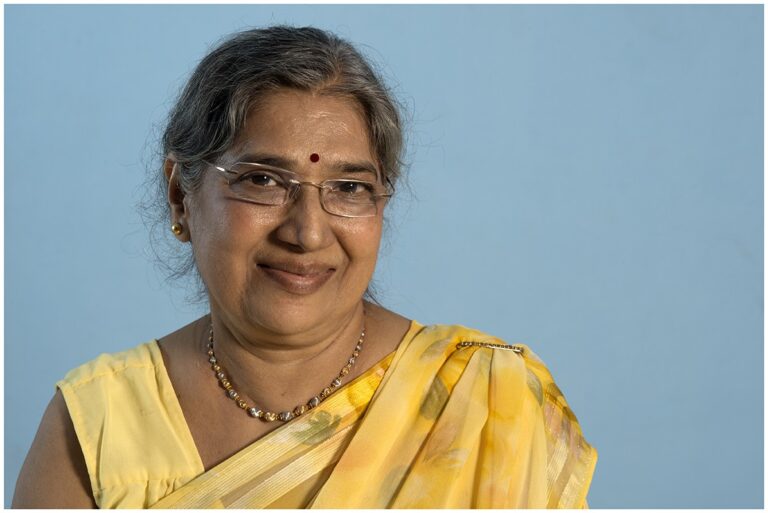
Each day, a 1,000 students pass through the gate that leads to The Yoga Institute, which Hansaji is in charge…
Read Article →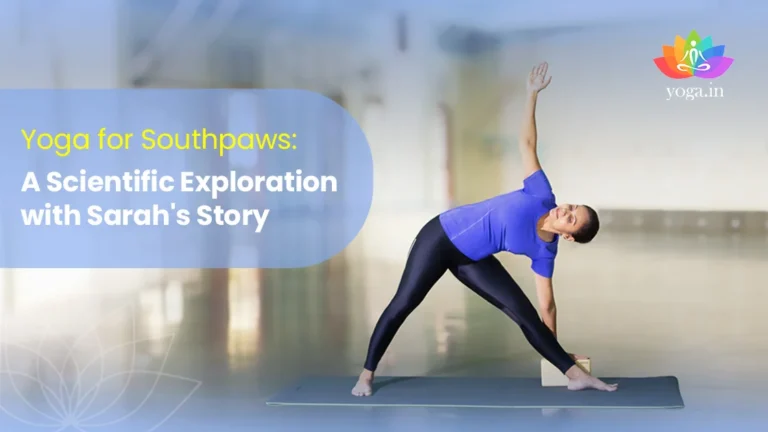
At yoga.in, we believe yoga is a practice for everyone, transcending physical limitations and even handedness! Today, on International Lefthanders…
Read Article →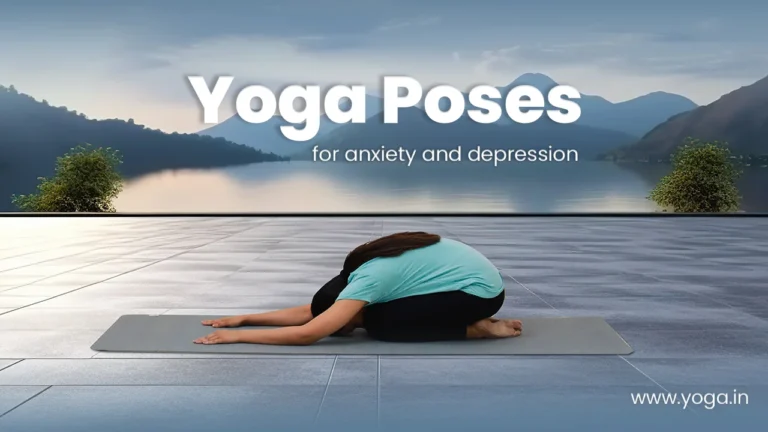
In today's fast-paced world, anxiety and depression have become common diseases, impacting millions of people globally. While modern medicine offers…
Read Article →Please login with social account to support this post.