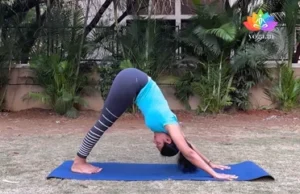
Adho Mukha Svanasana (Downward-Facing Dog Pose)
The sanskrit name is derived from adhas (अधस्) meaning down, mukha (मुख) meaning face, śvāna (श्वान) meaning dog and āsana…
Explore →
Yoga poses for knees build alignment, strength, and stability to support healthy, pain-free movement.
Browse All Poses
The sanskrit name is derived from adhas (अधस्) meaning down, mukha (मुख) meaning face, śvāna (श्वान) meaning dog and āsana…
Explore →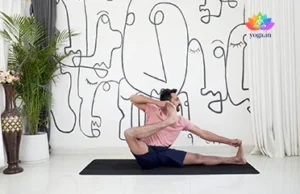
The Sanskrit name is derived from Akarna (अकर्णा ) meaning towards the ear, Dhanura (धनुर) meaning…
Explore →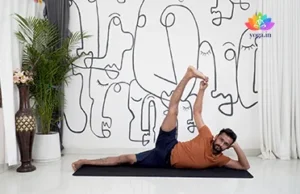
The Sanskrit name is derived from Ananta (अनन्त) meaning without end or the infinite one and…
Explore →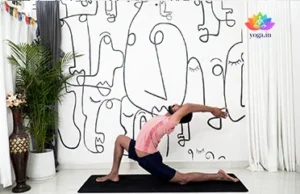
The Sanskrit name is derived from Anjane (आंजने) meaning Hanuman, the son of Anjani and asana…
Explore →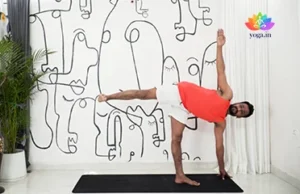
The Sanskrit name is derived from Ardha (अर्ध) meaning half, Chandra (चन्द्र) meaning moon and asana…
Explore →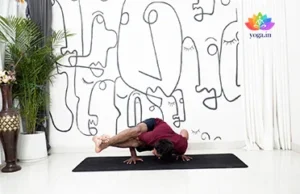
The sanskrit name is derived from ashta (अष्ट) meaning eight, Vakra (वक्र) meaning curved or bent…
Explore →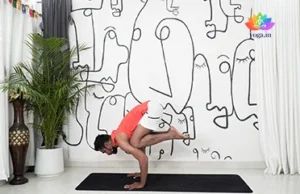
The Sanskrit name is derived from Baka (बक) meaning crane or Kaka (काक) meaning crow and…
Explore →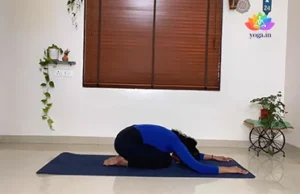
The Sanskrit name is derived from Bala (बाला) meaning child and āsana (आसन) meaning posture or…
Explore →Yoga poses for knees strengthen and align the muscles that support the joint, easing strain from standing, walking, and daily movement. This page groups beginner-to-advanced poses that build knee stability and strength, deliberately avoiding deep knee-flexion poses that can strain the joint.
Understanding the Category
Yoga poses for knees work the joint through three functions.
This page avoids deep knee-flexion poses like Hero Pose and Lotus Pose, since they place significant strain on the knee joint for many practitioners.
Why Practice
Suitability
Contraindications
Safety Note: Always consult a qualified yoga teacher and your healthcare provider before practising if you have existing medical conditions, injuries, or are pregnant.
By Level
By Level
By Level
Anatomy
Practice Tips
Common Questions
Yoga poses for knees are asanas that build alignment, strength, and stability around the joint through standing poses, gentle strengtheners, and balance work, ranging from Mountain Pose for beginners to Half Moon Pose for advanced practitioners.
Many people use gentle alignment and strengthening poses to help support knee health, but yoga is not a substitute for medical diagnosis or treatment. Consult a doctor or physiotherapist for persistent or severe knee pain.
Deep knee-flexion poses like Hero Pose, Lotus Pose, and deep variations of Pigeon Pose are commonly avoided by those with knee sensitivity, since they place significant pressure on the joint.
Most knee-strengthening poses are held for 15 to 45 seconds, or 5 to 8 breaths, building duration gradually as strength and stability improve.
Once a doctor has cleared weight-bearing activity, gentle poses like Mountain Pose and Bridge Pose can help rebuild strength. Avoid deep-flexion or high-impact poses during acute injury or swelling.
Yes. Poses like Mountain Pose, Tree Pose, and Triangle Pose train the legs to stack weight evenly over the knee, which can help reduce compensatory strain over time.
Keep Exploring

In today's fast-paced work environment, many office workers find themselves glued to their desks for hours on end. Prolonged sitting…
Read Article →
Back pain is a common ailment that affects millions of people worldwide. Whether caused by poor posture, muscle strain, or…
Read Article →
In today's fast-paced world, anxiety and depression have become common diseases, impacting millions of people globally. While modern medicine offers…
Read Article →
Teaching yoga offers more than just sharing poses and breathing techniques. Over time, I've seen students grow in ways I…
Read Article →Please login with social account to support this post.