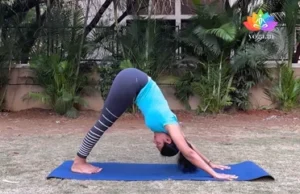
Adho Mukha Svanasana (Downward-Facing Dog Pose)
The sanskrit name is derived from adhas (अधस्) meaning down, mukha (मुख) meaning face, śvāna (श्वान) meaning dog and āsana…
Explore →
Yoga poses for calf stretch tight muscles and build strength for better balance and fewer cramps.
Browse All Poses
The sanskrit name is derived from adhas (अधस्) meaning down, mukha (मुख) meaning face, śvāna (श्वान) meaning dog and āsana…
Explore →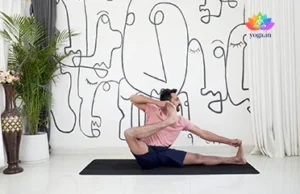
The Sanskrit name is derived from Akarna (अकर्णा ) meaning towards the ear, Dhanura (धनुर) meaning…
Explore →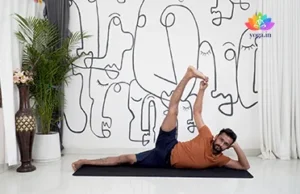
The Sanskrit name is derived from Ananta (अनन्त) meaning without end or the infinite one and…
Explore →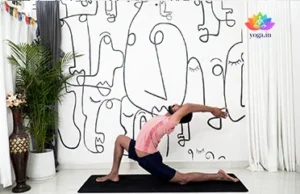
The Sanskrit name is derived from Anjane (आंजने) meaning Hanuman, the son of Anjani and asana…
Explore →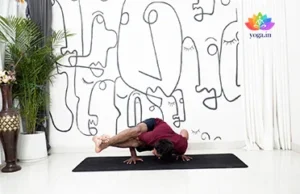
The sanskrit name is derived from ashta (अष्ट) meaning eight, Vakra (वक्र) meaning curved or bent…
Explore →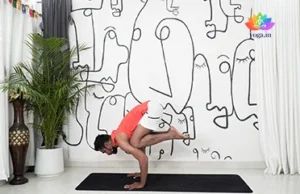
The Sanskrit name is derived from Baka (बक) meaning crane or Kaka (काक) meaning crow and…
Explore →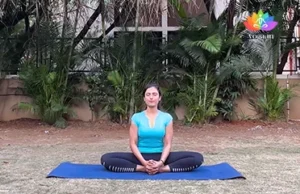
The Sanskrit name is derived from Bhadra (भद्रा) meaning gracious, auspicious or blessed and āsana (आसन)…
Explore →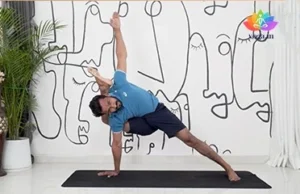
Bhairava (भैरव, Bhairava) is a manifestation of Shiva (शिव, Śiva); Asana (आसन, Āsana) meaning pose, posture,…
Explore →Yoga poses for calf stretch and strengthen the gastrocnemius and soleus, easing tightness from running, cycling, or standing all day. This page groups beginner-to-advanced poses that build flexibility, calf strength, and the stability needed for balance poses like Tree Pose and Half Moon.
Understanding the Category
Yoga poses for calf work the muscle through three functions.
In a sequence, calf stretches typically appear in a warm-up or cool-down, while strength and balance poses build resilience for standing and walking.
Why Practice
Suitability
Contraindications
Safety Note: Always consult a qualified yoga teacher and your healthcare provider before practising if you have existing medical conditions, injuries, or are pregnant.
By Level
By Level
By Level
Anatomy
Practice Tips
Common Questions
Yoga poses for calf are asanas that stretch and strengthen the gastrocnemius and soleus muscles through forward folds, lunges, and standing balance poses, ranging from Downward-Facing Dog for beginners to Half Moon Pose for advanced practitioners.
Yes. Poses like Downward-Facing Dog, Standing Forward Fold, and Pyramid Pose deeply stretch the calf muscles, easing tightness caused by running, cycling, or prolonged sitting.
Most calf stretches are held for 20 to 45 seconds, or 5 to 8 breaths, allowing the muscle fibers time to release and lengthen.
Yes. Regular calf stretching and strengthening through poses like Chair Pose and Warrior I can reduce the frequency of calf cramps, alongside proper hydration and electrolyte balance.
Yes. Gentle stretches like Downward Dog and Pyramid Pose are commonly used by runners to release tight calves before or after a run, as part of a warm-up or cool-down.
Standing Forward Fold and Downward-Facing Dog are two of the most effective poses for tight calves, both lengthening the gastrocnemius and soleus through the back leg line.
Keep Exploring
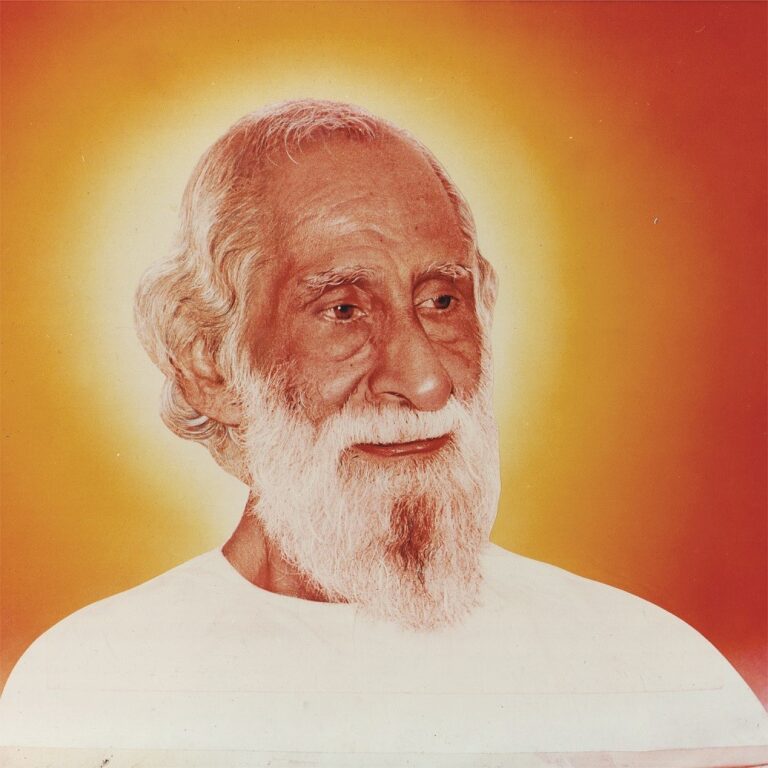
Shri Yogendra Ji, Founder, The Yoga Institute. Photo Credit: The Yoga Institute. It is my satisfaction that instead of passing…
Read Article →
Coming down from ancient practices with deep roots, yoga carries a wide range of health benefits, which are increasingly known.…
Read Article →
Can a 3-day, 2-night Yoga retreat truly transform a person's life? And if not, would it at least inspire them…
Read Article →
Exploring Yoga is a life-long journey of learning and unlearning. Yoga. in team was humbled to take this journey to…
Read Article →
In Lubomir Ondračka’s essay about the system of Hathayoga, he takes us through its up and down history, tracking this…
Read Article →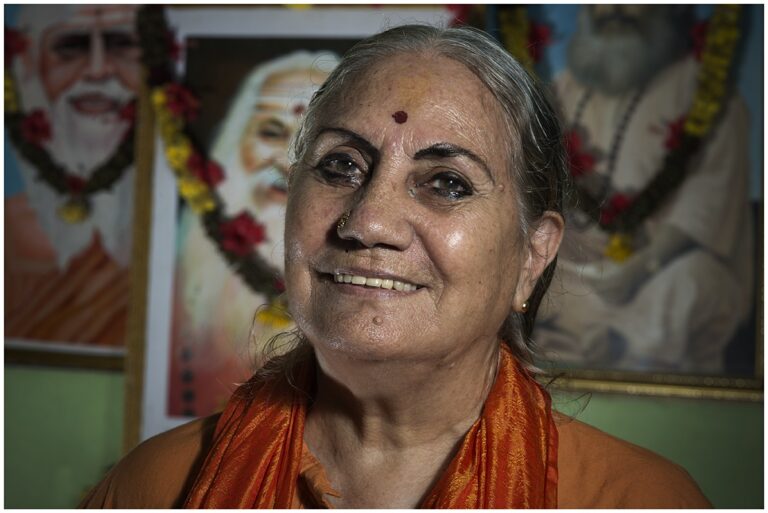
In our interview Ammaji (Yogacharini Meenakshi Devi Bhavanani) is giving insights into the historical development of concepts and practices of…
Read Article →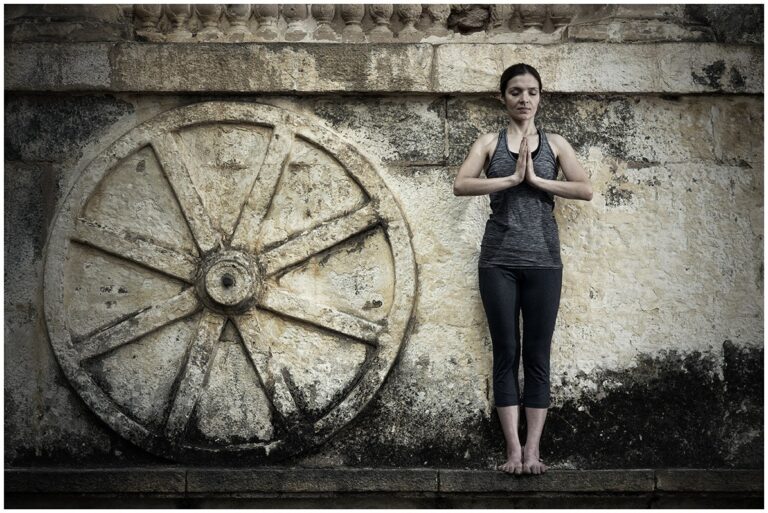
by Krishna Prakash Antar Mouna is a clear set of six stages to allow us to enter deep meditation and…
Read Article →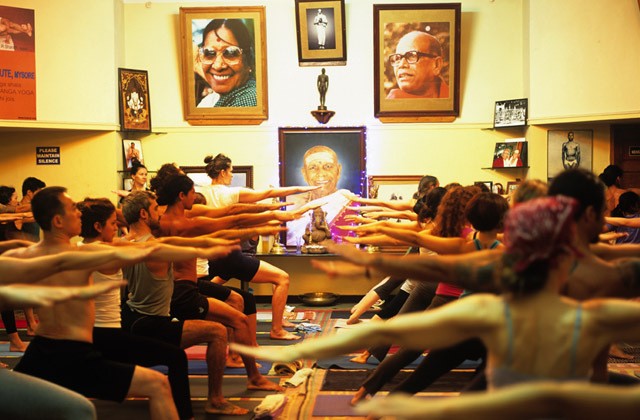
At the KPJAYI Yoga Shala, Mysore India. Photo Credit: Coni Hörler By Inna Costantini With ample choices of teacher training…
Read Article →Please login with social account to support this post.