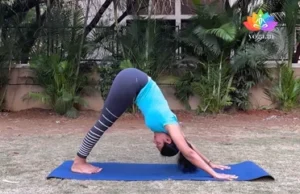
Adho Mukha Svanasana (Downward-Facing Dog Pose)
The sanskrit name is derived from adhas (अधस्) meaning down, mukha (मुख) meaning face, śvāna (श्वान) meaning dog and āsana…
Explore →
Explore gentle yoga movements for arm discomfort and limited mobility. Choose options based on your symptoms and clinical guidance.
Browse All Poses
The sanskrit name is derived from adhas (अधस्) meaning down, mukha (मुख) meaning face, śvāna (श्वान) meaning dog and āsana…
Explore →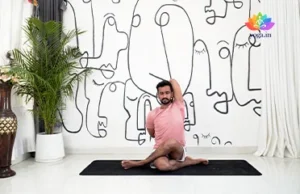
The Sanskrit name is derived from Gau (गो) meaning cow, Mukh meaning face and asana (आसन)…
Explore →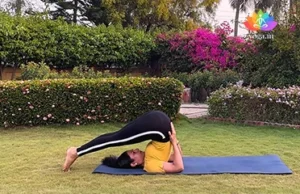
The Sanskrit name is derived from Hala (हला) meaning plough and asana (आसन) meaning posture or…
Explore →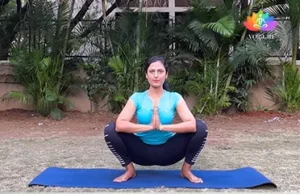
The Sanskrit name is derived from Mala (माला) means garland or rosary and āsana (आसन) meaning…
Explore →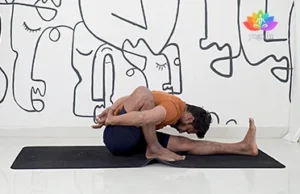
The Sanskrit name is derived from Marichya (मरीच्) meaning ray of light and asana (आसन) meaning…
Explore →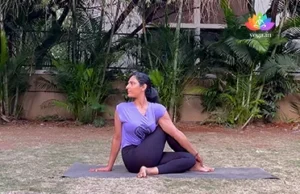
The name Matsyendrasana is derived from the Sanskrit words Matsya (मत्स्य) meaning fish, Indra (इन्द्र) meaning…
Explore →Yoga poses for arm malformation and arm pain are movement options that may help some people maintain comfortable mobility and relax. This guide explains pose choices, adaptations, and safety considerations. Yoga cannot correct a structural difference, and painful or unexplained symptoms need appropriate clinical assessment.
Understanding the Category
These poses range from resting positions to gentle shoulder and spinal movements. Their suitability depends on the cause of pain, the structure of the arm, and the person’s comfortable range of motion.
Why Practice
Suitability
Contraindications
Safety Note: Yoga does not correct structural arm differences or replace medical care. Seek clinical guidance for unexplained, persistent, severe, or worsening pain.
By Level
By Level
By Level
Anatomy
Practice Tips
Common Questions
No. Yoga cannot correct a structural arm difference. A clinician can explain the condition and whether adapted movement is appropriate.
It depends on the cause and severity. Seek assessment for unexplained, persistent, severe, or worsening pain, and avoid movements that increase symptoms.
Supported rest, comfortable seated breathing, and standing poses with relaxed arms may be easier for some people. Suitability depends on the condition.
If hand or arm loading causes pain, or you have been told to avoid it, skip those poses unless a clinician recommends a safe modification.
Do not force the arms behind your back. A strap or a simpler position may help some people, but seek qualified guidance if movement is limited or painful.
Stop if pain, tingling, numbness, weakness, or other symptoms increase. Seek medical advice for severe, sudden, unexplained, or worsening symptoms.
Please login with social account to support this post.