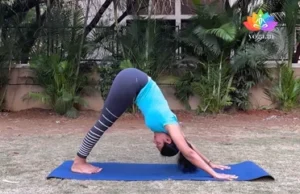
Adho Mukha Svanasana (Downward-Facing Dog Pose)
The sanskrit name is derived from adhas (अधस्) meaning down, mukha (मुख) meaning face, śvāna (श्वान) meaning dog and āsana…
Explore →
Explore yoga poses listed for arm and abdominal discomfort. Compare levels, learn safe practice tips, and choose suitable options.
Browse All Poses
The sanskrit name is derived from adhas (अधस्) meaning down, mukha (मुख) meaning face, śvāna (श्वान) meaning dog and āsana…
Explore →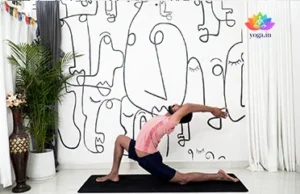
The Sanskrit name is derived from Anjane (आंजने) meaning Hanuman, the son of Anjani and asana…
Explore →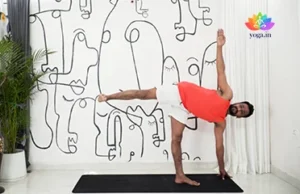
The Sanskrit name is derived from Ardha (अर्ध) meaning half, Chandra (चन्द्र) meaning moon and asana…
Explore →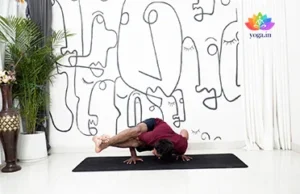
The sanskrit name is derived from ashta (अष्ट) meaning eight, Vakra (वक्र) meaning curved or bent…
Explore →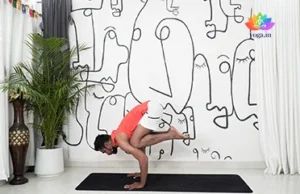
The Sanskrit name is derived from Baka (बक) meaning crane or Kaka (काक) meaning crow and…
Explore →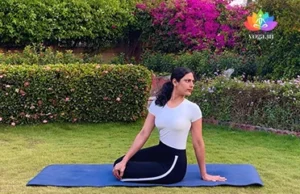
The Sanskrit name is derived from Bhardvaja (भरद्वाज) means bringing about nourishment and asana (आसन) meaning…
Explore →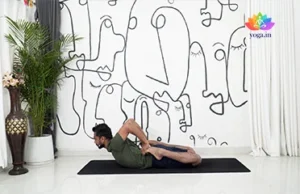
The Sanskrit name is derived from Bheka (भेका) meaning frog and asana (आसन) meaning posture or…
Explore →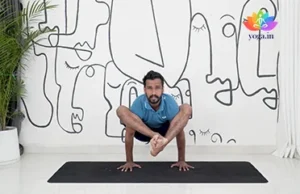
The Sanskrit name is derived from Bhuja (भुज) meaning arm/shoulder, Pida (पीडा) meaning pain and pressure…
Explore →This category groups yoga poses that Yoga.in associates with arms and abdominal organs discomfort. It helps readers compare pose names, levels, movement demands, and safety notes. The category label is not a diagnosis, and yoga should not replace medical care for unexplained symptoms.
Understanding the Category
These poses vary widely. Some use the arms and core to support body weight, while others focus on standing balance, side bending, squatting, or resting. They do not directly treat internal organs.
Why Practice
Suitability
Contraindications
Safety Note: This category label is not a diagnosis. Yoga does not replace medical assessment or treatment.
By Level
By Level
By Level
Anatomy
Practice Tips
Common Questions
It is a Yoga.in category label for poses associated with arms and abdominal organs discomfort. It is not a medical diagnosis.
Yoga does not directly treat internal organs and should not replace medical care. Ask a healthcare professional about symptoms or a diagnosed condition.
Supported Balasana and a comfortable version of Shalabhasana may be more accessible. Choose based on your body and any health advice.
Usually not as a first step. Astavakrasana and Bhujapidasana require strength, balance, and wrist and shoulder control.
Do not use yoga to manage new, severe, or unexplained abdominal pain. Seek medical advice, especially if symptoms persist or worsen.
Start with a few comfortable breaths and follow a qualified teacher’s guidance. Stop if pain or other symptoms appear.
Keep Exploring

Coming down from ancient practices with deep roots, yoga carries a wide range of health benefits, which are increasingly known.…
Read Article →
In today's fast-paced work environment, many office workers find themselves glued to their desks for hours on end. Prolonged sitting…
Read Article →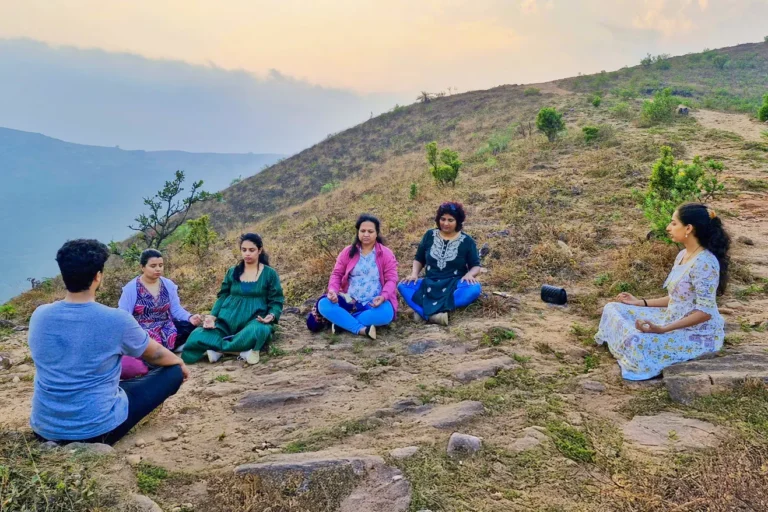
Can a 3-day, 2-night Yoga retreat truly transform a person's life? And if not, would it at least inspire them…
Read Article →
Exploring Yoga is a life-long journey of learning and unlearning. Yoga. in team was humbled to take this journey to…
Read Article →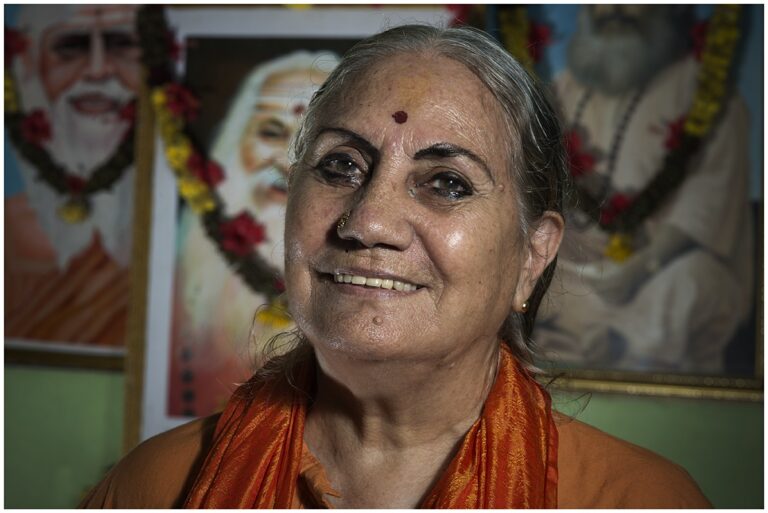
In our interview Ammaji (Yogacharini Meenakshi Devi Bhavanani) is giving insights into the historical development of concepts and practices of…
Read Article →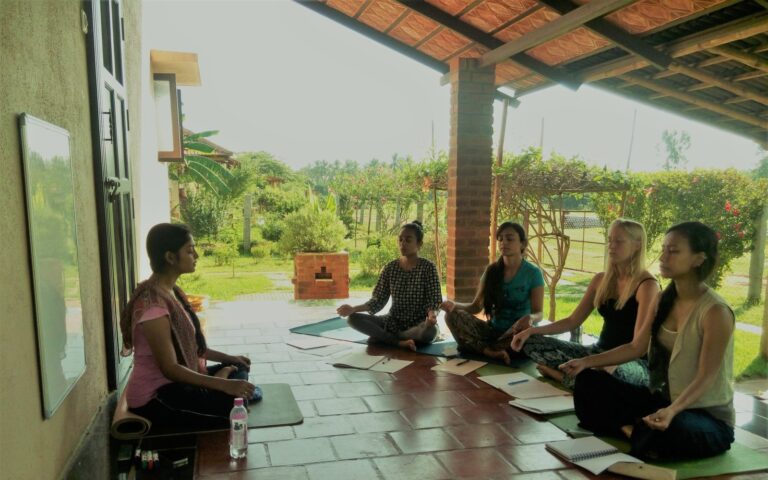
BY KRISHNA PRAKASH Nidra means sleep and Yoga Nidra is its antonym! Although appearing to be a practice of deep stillness,…
Read Article →Please login with social account to support this post.