
Anantasana (Sleeping Vishnu Pose)
The Sanskrit name is derived from Ananta (अनन्त) meaning without end or the infinite one and…
Explore →
Yoga poses for cardiac issues support heart health and circulation. Suitable for stable patients practising under medical supervision.
Browse All Poses
The Sanskrit name is derived from Ananta (अनन्त) meaning without end or the infinite one and…
Explore →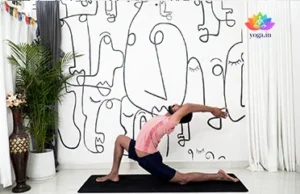
The Sanskrit name is derived from Anjane (आंजने) meaning Hanuman, the son of Anjani and asana…
Explore →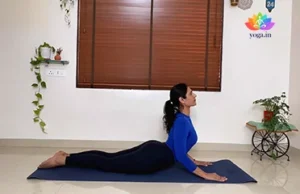
भुजङ्गासन
The Sanskrit name is derived from Bhujanga (भुजंगा) meaning cobra or snake and āsana (आसन) meaning…
Explore →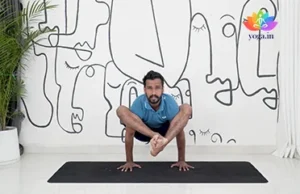
The Sanskrit name is derived from Bhuja (भुज) meaning arm/shoulder, Pida (पीडा) meaning pain and pressure…
Explore →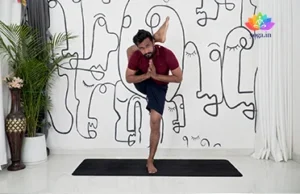
The Sanskrit name is derived from the word Durva (दुर्वा) which is the name of a…
Explore →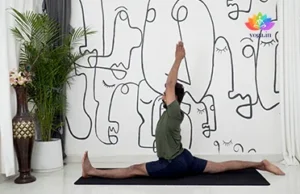
The Sanskrit name is derived from the Hindu God -Hanuman (हनुमान) (monkey-god) and asana (आसन) meaning…
Explore →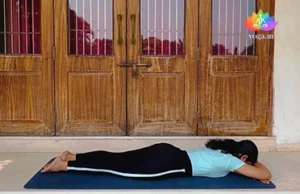
The Sanskrit name is derived from Makara (मकरा) meaning crocodile and asana (आसन) meaning posture or…
Explore →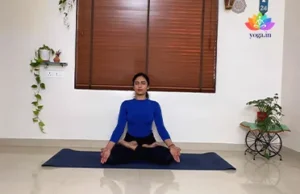
The Sanskrit name is derived from Padma (पद्मा) meaning lotus and āsana (आसन) meaning "posture" or…
Explore →Yoga poses for cardiac issues are gentle, supervised asanas that support the heart and circulatory system by calming the autonomic nervous system, reducing stress hormones and improving blood flow. This page lists 12 safe poses for stable patients under medical care.
Understanding the Category
Yoga poses for cardiac issues are carefully selected gentle asanas that reduce the workload on the heart through three main mechanisms:Autonomic regulation: slow breathing and restorative holds activate the parasympathetic nervous system, lowering heart rate and blood pressure.Cortisol reduction: passive and meditative poses lower stress hormones that place direct strain on the cardiovascular system.Improved venous return: gentle movement and supported poses like Viparita Karani assist blood flow back to the heart without demanding extra cardiac output.These poses suit the opening or closing of a session. Vigorous sequences are never suitable for cardiac patients. All practice must be supervised by a qualified yoga therapist alongside the patient’s medical team.
Why Practice
Suitability
Contraindications
Safety Note: Yoga is a complementary practice only. It does not treat or replace medical care for cardiac conditions. Always consult your cardiologist before beginning yoga.
By Level
By Level
By Level
Anatomy
Practice Tips
Common Questions
Yoga poses for cardiac issues are gentle, supervised asanas that support heart health by reducing stress, lowering resting heart rate and improving circulation. They are complementary to medical treatment, not a replacement. Always practise under cardiologist guidance.
The safest poses are Savasana, Makarasana, Balasana, Sukhasana and Anantasana. These are restorative, require minimal effort and activate the parasympathetic nervous system. Begin only after your cardiologist confirms you are stable for gentle activity.
Research supports that regular gentle yoga can modestly lower systolic blood pressure over time. It works by reducing cortisol and activating the parasympathetic nervous system. It should complement, not replace, prescribed medication and medical monitoring.
Most inversions are not safe for cardiac patients. Viparita Karani (Legs Up the Wall) is the one gentle exception as the legs rest on a wall at a low angle. Full inversions like Headstand must be avoided entirely.
Short daily sessions of 20 to 30 minutes are more beneficial than occasional long sessions. Consistency is more important than duration. Progress must be monitored alongside the medical team and adjusted based on cardiac response.
Avoid vigorous poses, arm balances, full inversions, breath retention and hot yoga. Stop any pose that causes breathlessness, chest tightness or a rapid, unexpected rise in heart rate. When in doubt, rest in Savasana and consult your doctor.
Keep Exploring
Exploring Yoga is a life-long journey of learning and unlearning. Yoga. in team was humbled to take this journey to…
Read Article →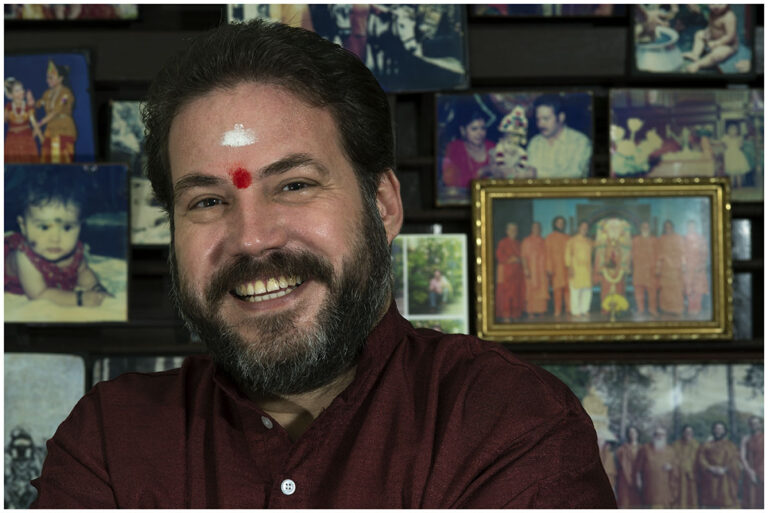
Dr. Ananda Balayogi Bhavanani incorporates two seemingly opposing worlds: During his childhood and early adult years, he lived an ashram…
Read Article →
Coming down from ancient practices with deep roots, yoga carries a wide range of health benefits, which are increasingly known.…
Read Article →
एषः सर्वेश्वरः। एषः सर्वज्ञः। एषः अन्तर्यामी। एषः सर्वस्य योनिः। हि भूतानां प्रभवाप्ययौ ॥ eṣaḥ sarveśvaraḥ| eṣaḥ sarvajñaḥ| eṣaḥ antaryāmī| eṣaḥ…
Read Article →Please login with social account to support this post.