
Anantasana (Sleeping Vishnu Pose)
The Sanskrit name is derived from Ananta (अनन्त) meaning without end or the infinite one and…
Explore →
Gentle yoga poses support heart health and aid cardiac recovery. Always practise under medical supervision. For stable patients only.
Browse All Poses
The Sanskrit name is derived from Ananta (अनन्त) meaning without end or the infinite one and…
Explore →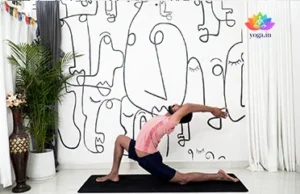
The Sanskrit name is derived from Anjane (आंजने) meaning Hanuman, the son of Anjani and asana…
Explore →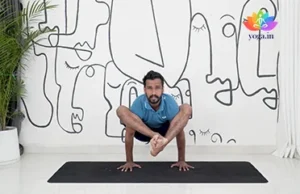
The Sanskrit name is derived from Bhuja (भुज) meaning arm/shoulder, Pida (पीडा) meaning pain and pressure…
Explore →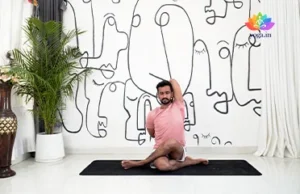
The Sanskrit name is derived from Gau (गो) meaning cow, Mukh meaning face and asana (आसन)…
Explore →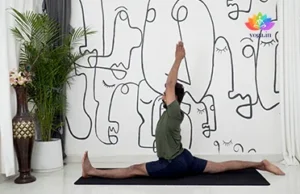
The Sanskrit name is derived from the Hindu God -Hanuman (हनुमान) (monkey-god) and asana (आसन) meaning…
Explore →Yoga poses for cardiac enlargement and heart attack recovery are gentle, supervised asanas that support heart health by reducing stress, calming the nervous system and improving circulation. This page lists 10 safe poses for stable patients practising under medical guidance.
Understanding the Category
Yoga poses for cardiac conditions are gentle, low-effort asanas chosen for their ability to calm the autonomic nervous system, reduce cortisol and support healthy circulation without placing excessive demand on the heart.These poses work through three main mechanisms:Parasympathetic activation: supine and forward-folded poses stimulate the vagus nerve and lower the resting heart rate.Cortisol reduction: restorative holds lower stress hormones that directly raise blood pressure and heart rate.Improved circulation: gentle movement and chest-opening poses assist venous return and cardiac efficiency.These poses are placed at the start or end of a session. Vigorous sequences are never appropriate. All practice must be supervised by a qualified yoga therapist working alongside the patient’s cardiologist.
Why Practice
Suitability
Contraindications
Safety Note: Always consult your cardiologist or physician before beginning any yoga practice for cardiac conditions. Yoga is a supportive and complementary practice only. It does not treat, replace or prevent medical care.
By Level
By Level
By Level
Anatomy
Practice Tips
Common Questions
Yoga can support recovery by reducing stress, lowering resting heart rate and improving circulation. It is a complementary practice, not a medical treatment. Always work with your cardiologist and a qualified cardiac yoga therapist before beginning any practice.
The safest poses are Savasana, Balasana, Supta Baddha Konasana and Sukhasana. These are restorative, require no effort and activate the parasympathetic nervous system. Begin only after your cardiologist confirms you are stable and cleared for gentle activity.
Most inversions are not safe for cardiac patients. Legs Up the Wall (Viparita Karani) is the one gentle exception as the legs rest on a wall at a low angle. Full inversions like Headstand and Shoulderstand must be avoided entirely.
Sessions should be 20 to 30 minutes maximum for cardiac patients in early recovery. Rest periods must be included. As fitness improves under medical supervision, duration can be extended gradually. Never push through fatigue or discomfort.
Avoid all vigorous poses, arm balances, full inversions, hot yoga and rapid breath retention. Also avoid any pose that causes breathlessness, chest tightness or a rapid rise in heart rate. Stop and rest if any of these occur during practice.
Yoga activates the parasympathetic nervous system through slow breath and restorative holds. This lowers cortisol and adrenaline, reduces blood pressure and slows the resting heart rate. Less stress means less demand on the cardiac muscle each day.
Keep Exploring
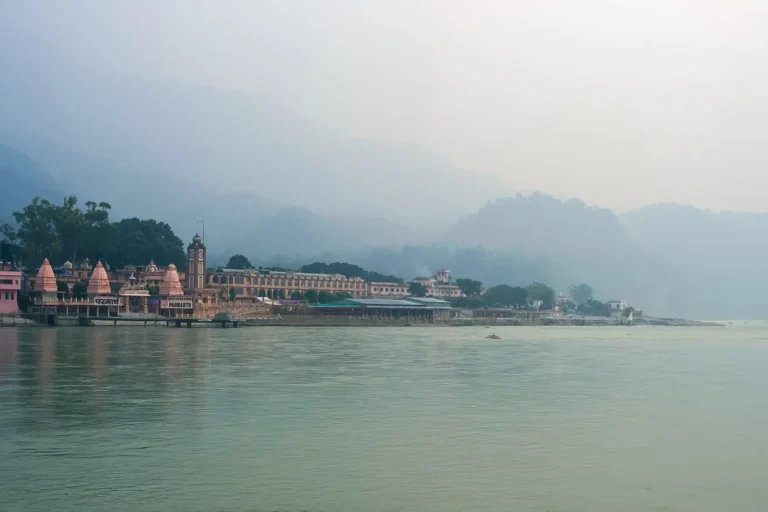
Exploring Yoga is a life-long journey of learning and unlearning. Yoga. in team was humbled to take this journey to…
Read Article →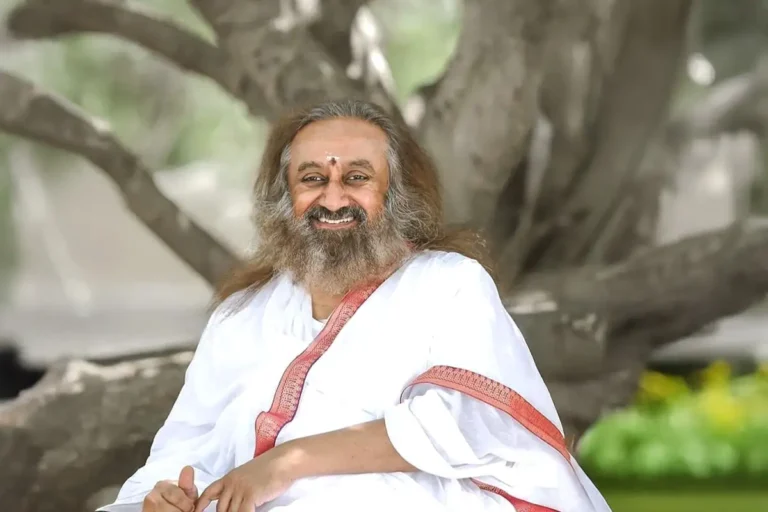
"The real purpose of life can only be found deep within yourself. Once that is found, nothing else matters and…
Read Article →
एषः सर्वेश्वरः। एषः सर्वज्ञः। एषः अन्तर्यामी। एषः सर्वस्य योनिः। हि भूतानां प्रभवाप्ययौ ॥ eṣaḥ sarveśvaraḥ| eṣaḥ sarvajñaḥ| eṣaḥ antaryāmī| eṣaḥ…
Read Article →
Coming down from ancient practices with deep roots, yoga carries a wide range of health benefits, which are increasingly known.…
Read Article →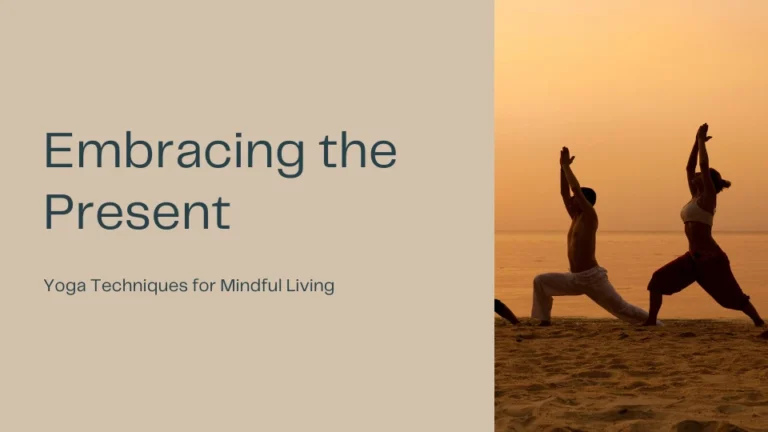
“Yoga techniques for mindfulness are more than just exercises; they are invitations to live more fully in the present moment.…
Read Article →Please login with social account to support this post.