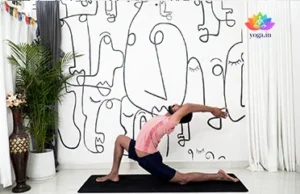
Anjaneyasana (Crescent Moon Pose)
The Sanskrit name is derived from Anjane (आंजने) meaning Hanuman, the son of Anjani and asana…
Explore →
Yoga for blood clotting in the heart means gentle poses that ease stress, only with your cardiologist's approval.
Browse All Poses
The Sanskrit name is derived from Anjane (आंजने) meaning Hanuman, the son of Anjani and asana…
Explore →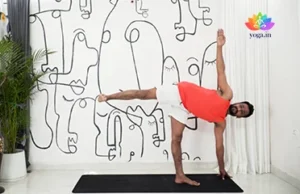
The Sanskrit name is derived from Ardha (अर्ध) meaning half, Chandra (चन्द्र) meaning moon and asana…
Explore →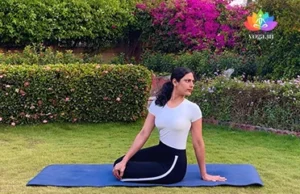
The Sanskrit name is derived from Bhardvaja (भरद्वाज) means bringing about nourishment and asana (आसन) meaning…
Explore →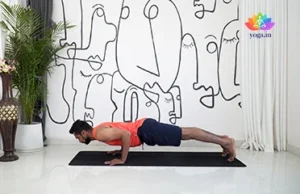
The Sanskrit name is derived from Chatur (चतुर) meaning four, Anga (अङ्ग) meaning limb, Danda (दण्डा)…
Explore →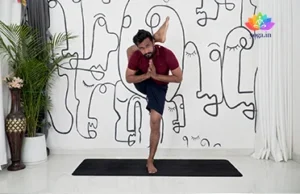
The Sanskrit name is derived from the word Durva (दुर्वा) which is the name of a…
Explore →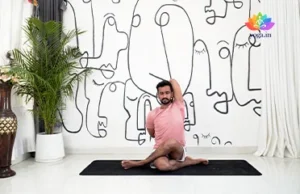
The Sanskrit name is derived from Gau (गो) meaning cow, Mukh meaning face and asana (आसन)…
Explore →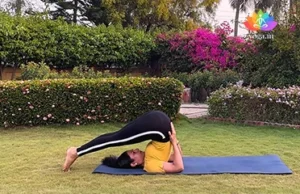
The Sanskrit name is derived from Hala (हला) meaning plough and asana (आसन) meaning posture or…
Explore →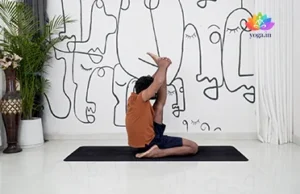
The Sanskrit name is derived from Kraunch (क्रौञ्च) meaning heron or the name of a mountain…
Explore →Yoga for blood clotting in the heart means gentle poses and slow breathing that ease stress. They do not treat or dissolve a clot. This page lists careful poses by level and explains when to call a doctor or emergency services.
Understanding the Category
A blood clot in the heart can block an artery or form inside a heart chamber. It needs medical care. Yoga cannot remove a clot. Gentle practice may lower stress and keep the body active.
These poses fall into three groups:
Start with rest poses. Add other poses only if your doctor agrees. Skip inversions and hard holds.
Why Practice
Suitability
Contraindications
Safety Note: Always consult a qualified yoga teacher and your healthcare provider before practising if you have existing medical conditions, injuries, or are pregnant.
By Level
By Level
By Level
Anatomy
Practice Tips
Common Questions
No. Yoga cannot dissolve or remove a clot. Clots need medical treatment, often with medicine or a procedure. Gentle yoga may support stress relief and light activity once your doctor says it is safe.
Only with your cardiologist's approval. Some people can do very gentle poses after recovery, but each case differs. Avoid strong effort, inversions and breath holding, and practice with a trained teacher.
Savasana, Sukhasana, Tadasana and Vajrasana need little effort and keep the head above the heart. Add other poses only if your doctor agrees. Advanced poses need clearance and a trained teacher.
Yes. Sirsasana, Sarvangasana and Halasana turn the body upside down and can raise pressure in the chest and head. They are not suitable with a heart clot. Choose seated, lying and gentle standing poses.
Slow, easy breathing may calm the mind. Avoid breath holding, Kapalabhati and other forceful methods because they can strain the heart. Ask your doctor before you try any pranayama.
Call emergency services for chest pain, pain spreading to the arm, neck or jaw, severe breathlessness, fainting or cold sweats. Do not try to ride it out with yoga. Stop practice at once if these start.
Please login with social account to support this post.