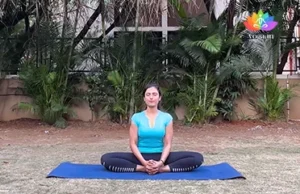
Bhadrasana (Gracious Pose | Butterfly Pose)
The Sanskrit name is derived from Bhadra (भद्रा) meaning gracious, auspicious or blessed and āsana (आसन)…
Explore →
Yoga for bulging veins means gentle poses that ease heavy legs and keep you moving, alongside your doctor's advice.
Browse All Poses
The Sanskrit name is derived from Bhadra (भद्रा) meaning gracious, auspicious or blessed and āsana (आसन)…
Explore →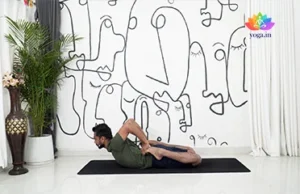
The Sanskrit name is derived from Bheka (भेका) meaning frog and asana (आसन) meaning posture or…
Explore →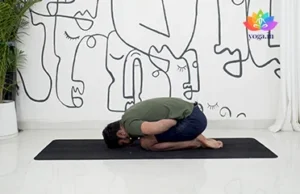
The Sanskrit name is derived from Manduka (मण्डुका) meaning frog and asana (आसन) meaning posture or…
Explore →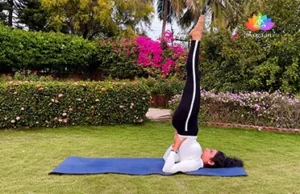
The Sanskrit name is derived from Sarva (सर्वाङ्ग) meaning all, Anga meaning body part and āsana…
Explore →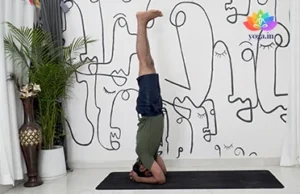
The Sanskrit name is derived from Sirsa (शीर्ष) meaning head and asana (आसन) meaning posture or…
Explore →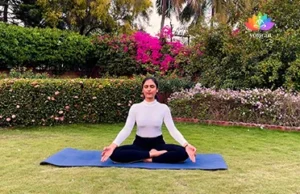
The Sanskrit name is derived from Swastika (स्वस्तिका) meaning "auspicious" and Asana (आसन) meaning a seat…
Explore →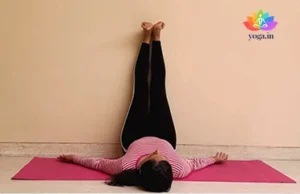
The Sanskrit name is derived from Viparita (विपरिता) meaning inverted and Karani (करणी) meaning action.
Explore →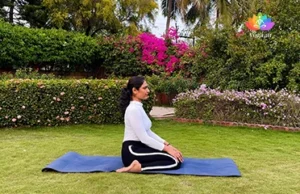
वीरासन
This page explains virasana, the Hero Pose, for learners searching how to practise this kneeling seat…
Explore →Yoga for bulging veins means gentle poses that ease heavy legs and keep the body moving. Yoga cannot remove varicose veins. This page lists safe poses by level and explains when to see a doctor.
Understanding the Category
Bulging veins, often called varicose veins, are swollen veins close to the skin. They usually appear in the legs. Standing still for long periods adds strain. Yoga cannot remove them. It may keep the legs moving and ease heaviness.These poses fall into three groups:Raise: Viparita Karani lifts the legs above the hips.Open: Bhadrasana and Svastikasana loosen the hips and ankles.Move: Tadasana, Anjaneyasana and Vrikshasana work the calves and thighs.Start lying down. Add seated poses, then standing poses. Change position often.
Why Practice
Suitability
Contraindications
Safety Note: Always consult a qualified yoga teacher and your healthcare provider before practising if you have existing medical conditions, injuries, or are pregnant.
By Level
By Level
By Level
Anatomy
Practice Tips
Common Questions
No. Yoga cannot remove or close varicose veins. It may ease heaviness and keep the legs moving. A doctor can explain treatments if the veins bother you or keep getting worse.
Viparita Karani, Bhadrasana and Tadasana are good starting points. They raise the legs, loosen the hips and work the calves. Add other poses slowly and keep every stretch gentle.
For most people with varicose veins, yes. The NHS suggests raising the legs when you can. Do not use it with a leg clot, pain with redness, or heart problems. Ask your doctor if you are unsure.
Yes. They are not needed and strain the neck and head. Viparita Karani gives the leg benefit with much less risk. Choose lying, seated and gentle standing poses instead.
Practice 10 to 20 minutes, most days. Add short walks and change position often. Regular, gentle movement helps more than one long session. Stop if pain or swelling increases.
See a GP if a leg is painful, swollen or itchy, a sore has not healed in two weeks, or the veins are getting worse. Get urgent help if a vein bleeds, or if one leg swells suddenly with pain or redness.
Keep Exploring
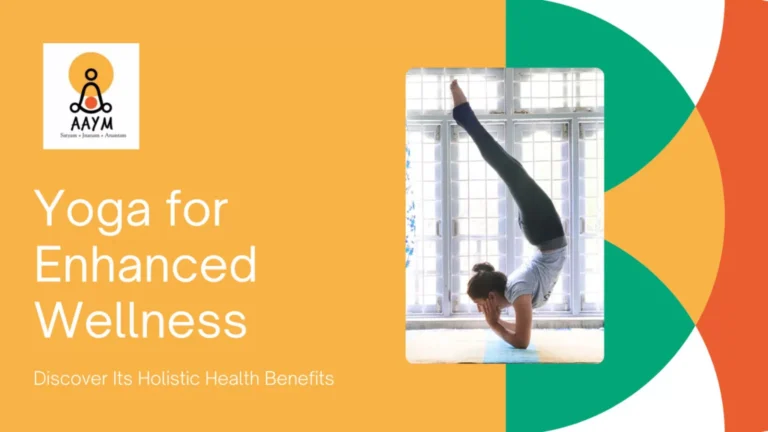
“Incorporating yoga into your daily routine is a powerful step toward holistic health. It’s a practice that nurtures not just…
Read Article →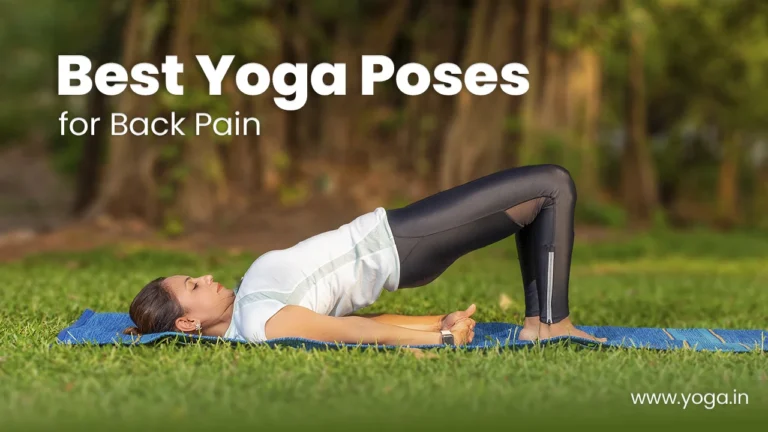
Back pain is a common ailment that affects millions of people worldwide. Whether caused by poor posture, muscle strain, or…
Read Article →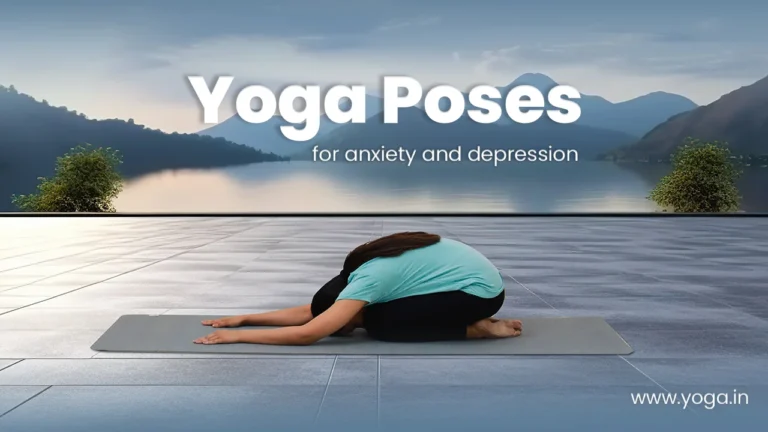
In today's fast-paced world, anxiety and depression have become common diseases, impacting millions of people globally. While modern medicine offers…
Read Article →By Inna Costantini Inna has been practising yoga for over a decade and teaching since 2008. With a background in…
Read Article →Please login with social account to support this post.