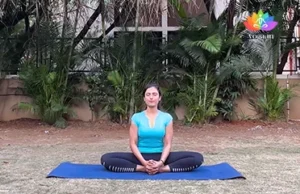
Bhadrasana (Gracious Pose | Butterfly Pose)
The Sanskrit name is derived from Bhadra (भद्रा) meaning gracious, auspicious or blessed and āsana (आसन)…
Explore →
Yoga for blood clot in leg swelling means gentle leg poses only after a doctor confirms it is safe for you.
Browse All Poses
The Sanskrit name is derived from Bhadra (भद्रा) meaning gracious, auspicious or blessed and āsana (आसन)…
Explore →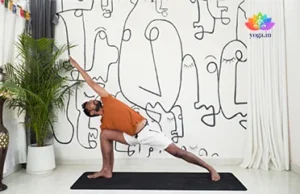
The Sanskrit name is derived from Parsva (पार्श्व) meaning side, Kona (कोना) meaning angle and asana…
Explore →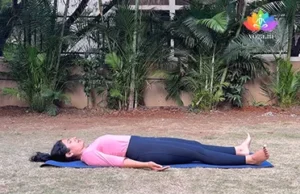
The Sanskrit name is derived from Śhava (शव) meaning "corpse" and āsana (आसन) meaning "posture" or…
Explore →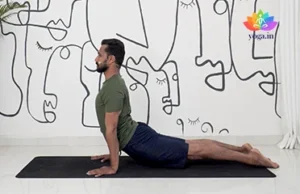
The Sanskrit name is derived from Urdhva (ऊर्ध्व) meaning up, Mukha (मुख) meaning face, Svān (श्वान)…
Explore →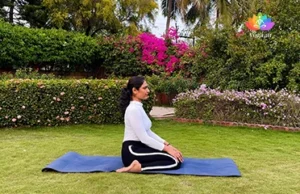
वीरासन
This page explains virasana, the Hero Pose, for learners searching how to practise this kneeling seat…
Explore →Yoga for blood clot in leg swelling means gentle poses for leg comfort once a doctor says it is safe. Yoga does not treat a clot. This page lists careful poses by level and explains the warning signs that need urgent care.
Understanding the Category
Leg swelling has many causes. One is a deep vein clot, which needs urgent medical care. Yoga cannot remove a clot. After treatment and approval, gentle poses may keep the legs moving.
These poses fall into three groups:
Start lying or seated. Add standing poses later. Skip deep folds and long, still holds.
Why Practice
Suitability
Contraindications
Safety Note: Always consult a qualified yoga teacher and your healthcare provider before practising if you have existing medical conditions, injuries, or are pregnant.
By Level
By Level
By Level
Anatomy
Practice Tips
Common Questions
No. A leg clot, or deep vein thrombosis, needs medical treatment. Yoga cannot dissolve it. Gentle poses may help leg comfort later, but only after your doctor says it is safe.
No. Swelling has many causes, such as injury, long sitting and heart or vein problems. Swelling with pain, warmth or redness in one leg can signal a clot. Get it checked the same day.
Savasana, Sukhasana and Tadasana are the gentlest. Add Supta Padangusthasana and Anjaneyasana only with approval. Never press or stretch hard on a painful leg.
Ask your doctor first. Viparita Karani raises the legs and is often used for tired legs. It is not suitable with an untreated clot or a painful, red leg. It is not in this pose list for that reason.
After approval, practice 10 to 15 minutes, most days. Keep each hold to 15 to 30 seconds and add short walks. Stop at once if swelling, pain or redness increases.
Call a doctor the same day for swelling, pain, warmth or red skin in one leg. Call emergency services if you also have chest pain or trouble breathing, as a clot may have reached the lungs.
Keep Exploring

In today's fast-paced world, anxiety and depression have become common diseases, impacting millions of people globally. While modern medicine offers…
Read Article →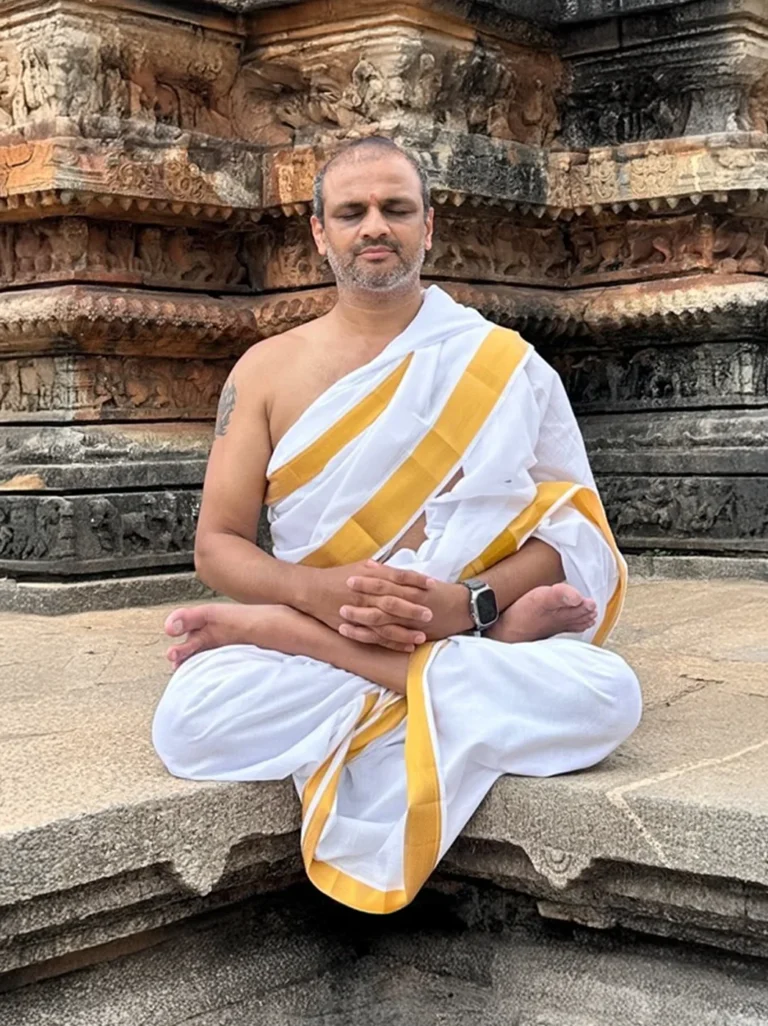
An Inspiring Journey of Dedication, Tradition, and Global Influence In the vast realm of yoga, a few names resonate as…
Read Article →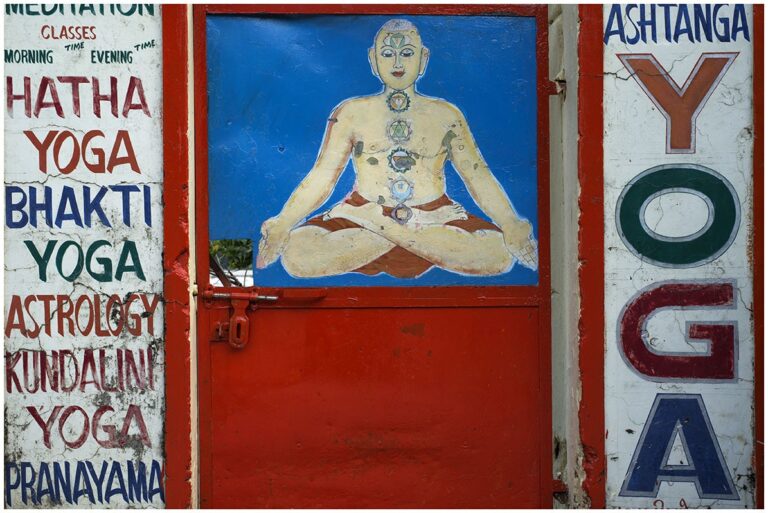
In Lubomir Ondračka’s essay about the system of Hathayoga, he takes us through its up and down history, tracking this…
Read Article →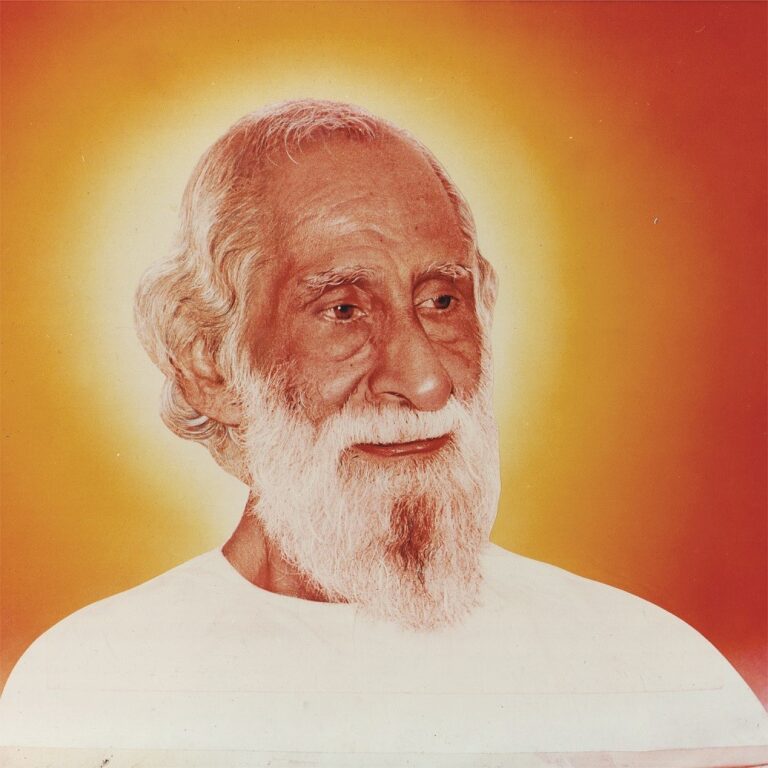
Shri Yogendra Ji, Founder, The Yoga Institute. Photo Credit: The Yoga Institute. It is my satisfaction that instead of passing…
Read Article →
BY KRISHNA PRAKASH Today there are innumerable styles of Yoga and an equally impressive array of studios and great teachers.…
Read Article →
Exploring Yoga is a life-long journey of learning and unlearning. Yoga. in team was humbled to take this journey to…
Read Article →
by Chétana Jessica Torrens with insight from Yogrishi Vishvketu Recently, there have been discussions and writings suggesting that Yoga postures,…
Read Article →Please login with social account to support this post.