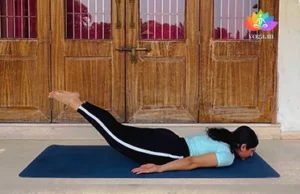
Shalabhasana (Locust Pose)
The Sanskrit name is derived from Shalabha (शलभा) meaning locust and āsana (आसन) meaning "posture" or…
Explore →
Yoga for excessive weight builds strength and calm, and supports healthy habits alongside balanced eating and medical advice.
Browse All Poses
The Sanskrit name is derived from Shalabha (शलभा) meaning locust and āsana (आसन) meaning "posture" or…
Explore →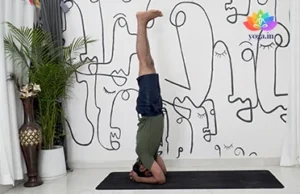
The Sanskrit name is derived from Sirsa (शीर्ष) meaning head and asana (आसन) meaning posture or…
Explore →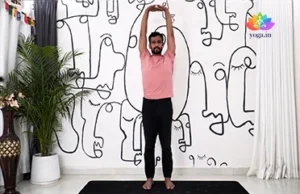
The sanskrit name is derived from tada (ताड़ा) meaning mountain and āsana (आसन) meaning posture or…
Explore →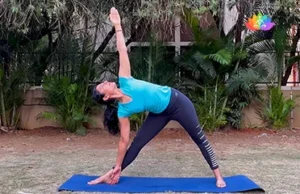
The sanskrit name is derived from three Sanskrit Words: Tri (त्रि) meaning three, Kona (कोणा) meaning…
Explore →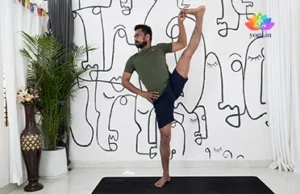
The Sanskrit name is derived from Utthita (उत्थित) meaning "extended", Hasta (हस्त) meaning "hand", Pada (पद)…
Explore →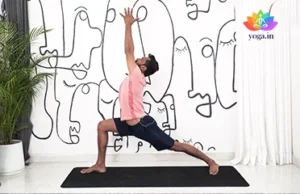
The Sanskrit name is derived from Vira (विरा) means hero, Bhadra (भद्रा )means friend and āsana…
Explore →
The Sanskrit name is derived from Vira (विरा) meaning hero, Bhadra (भद्रा )meaning friend and āsana…
Explore →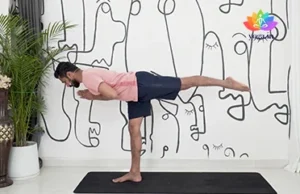
The Sanskrit name is derived from Vira (विरा) meaning hero, Bhadra (भद्रा )meaning friend and āsana…
Explore →Yoga for excessive weight is a gentle practice that builds strength, improves body awareness and eases stress. It does not melt fat on its own. This page lists safe poses by level and explains when to see a GP.
Understanding the Category
Excessive weight, often called obesity, is usually defined as a BMI of 30 or more. BMI is only a screening tool. Yoga cannot treat it alone. It can build muscle, ease stress and support steady movement habits.These poses fall into three groups:Strength: Bhujangasana and Dhanurasana tone the back and legs.Core: Jathara Parivartanasana and Naukasana engage the belly.Flexibility: Hastapadasana and Janusirsasana ease tight hamstrings.Start with standing and floor poses. Build slowly and pair them with balanced eating.
Why Practice
Suitability
Contraindications
By Level
By Level
By Level
Anatomy
Practice Tips
Common Questions
Yoga can build strength, ease stress and support healthy habits. It does not replace balanced eating, activity and medical care. Results vary from person to person, so use it as one part of a plan.
Tadasana, Hastapadasana, Bhujangasana and Jathara Parivartanasana are gentle starting points. Go slowly, use props and stop if anything hurts.
Gentle yoga burns fewer calories than brisk exercise. Its value lies in muscle tone, stress relief and mindful eating. Pair it with walking or other regular activity.
Aim for 20 to 30 minutes on most days. Short, regular sessions work better than rare long ones. Build time slowly as your body adapts.
Check first if you have heart disease, high blood pressure, diabetes, joint pain or are pregnant. A doctor can advise on safe poses and intensity for you.
See a GP if you are worried about your weight or health. Go sooner for chest pain, breathlessness, sudden weight change or swollen legs. A GP can offer tailored support.
Please login with social account to support this post.