
Hastapadasana (Hand to Foot Pose)
The sanskrit name is derived from hasta (हस्त) means hands, pada (पदा) means foot and asana…
Explore →
Yoga for bad breath uses gentle poses and slow breathing to ease stress and support digestion, alongside dental care.
Browse All Poses
The sanskrit name is derived from hasta (हस्त) means hands, pada (पदा) means foot and asana…
Explore →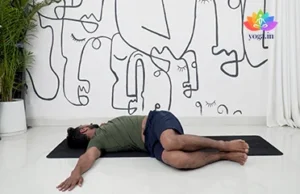
The Sanskrit name is derived from Jathara (ञठर) meaning belly or abdomen, Parivarta (परिवर्त) meaning revolving…
Explore →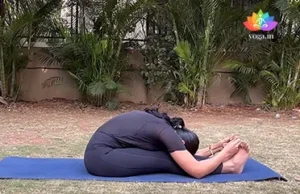
The Sanskrit name is derived from three sanskrit words: Paschima (पश्चिमा) meaning west or back of…
Explore →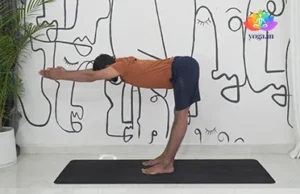
The Sanskrit name is derived from Sama (समा) meaning straight, Kona meaning angle (कोणा) and asana…
Explore →
The Sanskrit name is derived from Sarva (सर्वाङ्ग) meaning all, Anga meaning body part and āsana…
Explore →
The Sanskrit name is derived from Simha (सिंहा) which means lion and asana (आसन) meaning posture…
Explore →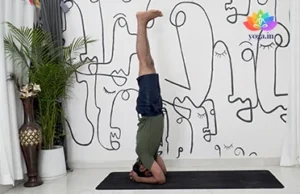
The Sanskrit name is derived from Sirsa (शीर्ष) meaning head and asana (आसन) meaning posture or…
Explore →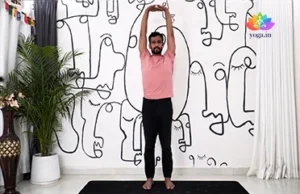
The sanskrit name is derived from tada (ताड़ा) meaning mountain and āsana (आसन) meaning posture or…
Explore →Yoga for bad breath uses gentle poses and slow breathing to ease stress and support digestion. It does not cure halitosis, which usually starts in the mouth. This page lists safe poses by level and explains when to see a dentist.
Understanding the Category
Bad breath, or halitosis, mostly starts in the mouth. Bacteria on the tongue and gums are the usual cause. Yoga cannot remove them. It may ease stress, dry mouth and digestive strain.
These poses fall into three groups:
Start seated. Add gentle twists and backbends next. Finish with a forward bend or rest.
Why Practice
Suitability
Contraindications
Safety Note: Always consult a qualified yoga teacher and your healthcare provider before practising if you have existing medical conditions, injuries, or are pregnant.
By Level
By Level
By Level
Anatomy
Practice Tips
Common Questions
No. Most bad breath starts in the mouth, from bacteria on the tongue and gums. Yoga cannot remove them. It may ease stress, dry mouth and digestive strain, so use it alongside brushing, flossing and dental checks.
Common causes are poor oral hygiene, gum disease, dry mouth, strong foods and tobacco. Less often, sinus, throat or stomach problems play a part. A dentist can usually find the cause.
Vajrasana, Bhujangasana, Jathara Parivartanasana and Paschimottanasana gently support digestion. Simhasana and Sukhasana train relaxed breathing. These poses support comfort and are not a medical treatment.
Simhasana opens the face and throat and eases jaw tension. It may help you relax and breathe out fully. It does not clean the mouth or tongue, so keep up brushing and tongue cleaning.
Yes, for this goal. Sirsasana and Sarvangasana are not needed and can strain the neck. Choose seated, twisting and gentle backbend poses instead, and check with your doctor first.
See a dentist if bad breath lasts over two weeks despite good brushing. See a doctor if it comes with fever, a sweet or fruity smell, heartburn, or swollen gums or tonsils. These signs may need care.
Please login with social account to support this post.