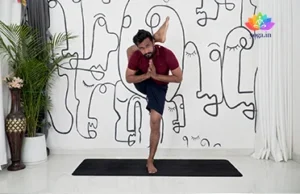
Durvasasana (Sage Durvasa’s Pose)
The Sanskrit name is derived from the word Durva (दुर्वा) which is the name of a…
Explore →
Yoga poses for amnesia support memory, focus and brain health. Suitable for all levels, from beginner to advanced.
Browse All Poses
The Sanskrit name is derived from the word Durva (दुर्वा) which is the name of a…
Explore →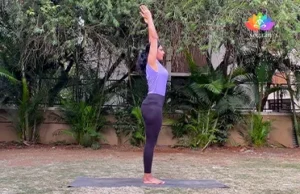
The sanskrit name is derived from hasta (हस्त) means hands, pada (पदा) means foot and asana…
Explore →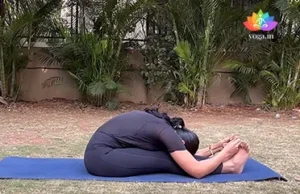
The Sanskrit name is derived from three sanskrit words: Paschima (पश्चिमा) meaning west or back of…
Explore →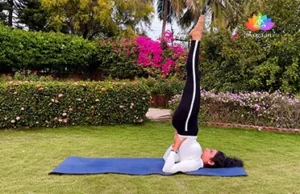
The Sanskrit name is derived from Sarva (सर्वाङ्ग) meaning all, Anga meaning body part and āsana…
Explore →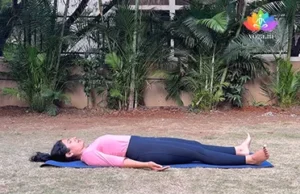
The Sanskrit name is derived from Śhava (शव) meaning "corpse" and āsana (आसन) meaning "posture" or…
Explore →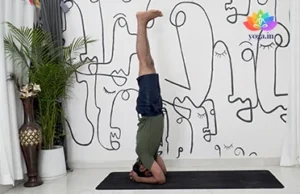
The Sanskrit name is derived from Sirsa (शीर्ष) meaning head and asana (आसन) meaning posture or…
Explore →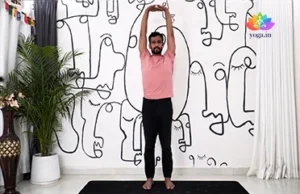
The sanskrit name is derived from tada (ताड़ा) meaning mountain and āsana (आसन) meaning posture or…
Explore →Yoga poses for amnesia are asanas that support memory, focus and cognitive function by improving blood flow to the brain, calming the nervous system and reducing cortisol. This page lists 12 poses from beginner to advanced and explains how each one supports brain health.
Understanding the Category
Yoga poses for amnesia are asanas that support brain health through three main mechanisms:
These poses sit at the end of a practice, after active standing and seated work. Begin with beginner poses and build toward inversions over weeks. Always close with Savasana to consolidate the session.
Why Practice
Suitability
Contraindications
Safety Note: Always consult a qualified yoga teacher and your healthcare provider before practising if you have existing medical conditions, injuries, or are pregnant.
By Level
By Level
By Level
Anatomy
Practice Tips
Common Questions
Yoga poses for amnesia are asanas that support memory, focus and cognitive function. They work by increasing blood flow to the brain, lowering cortisol, calming the nervous system and improving sleep. Key poses include Sirsasana, Sarvangasana, Savasana and Padmasana.
Sirsasana (Headstand) is considered the most powerful pose for memory as it maximises blood flow to the brain. Sarvangasana (Shoulderstand) is the safer alternative. Savasana is essential for consolidating memory after practice.
Yoga cannot treat clinical amnesia. It can support brain health by improving circulation, reducing cortisol and improving sleep quality. Research links regular yoga practice to better memory and focus in healthy adults and those with mild cognitive decline.
Headstand is safe for healthy adults without cervical injury, glaucoma or uncontrolled high blood pressure. Always practise with a wall until proficient. Build up over months. Those with any head, neck or eye condition should substitute Shoulderstand or Bridge Pose.
Practise daily if possible, even for 20 minutes. Consistency matters more than duration for cognitive benefits. A sequence including one inversion, a balance pose, a forward fold and Savasana covers the main mechanisms.
Seniors should avoid full inversions like Headstand if there are balance concerns, cervical weakness or glaucoma. Substitute with Bridge Pose, Downward Dog and Shoulderstand on blankets. Savasana, Child's Pose and Tree Pose are safe for all ages.
Keep Exploring
Coming down from ancient practices with deep roots, yoga carries a wide range of health benefits, which are increasingly known.…
Read Article →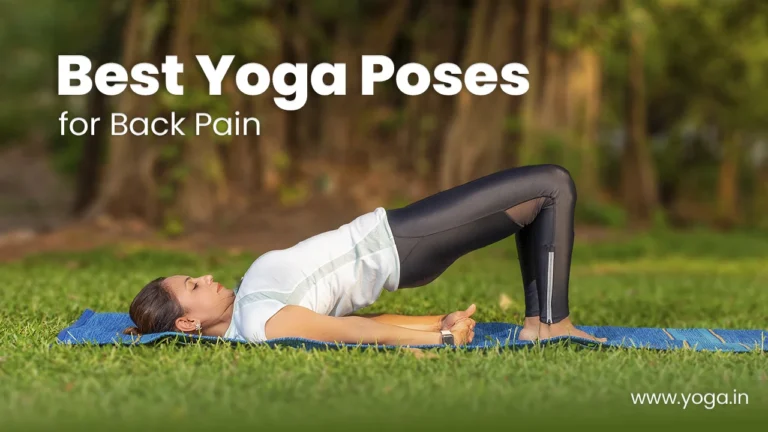
Back pain is a common ailment that affects millions of people worldwide. Whether caused by poor posture, muscle strain, or…
Read Article →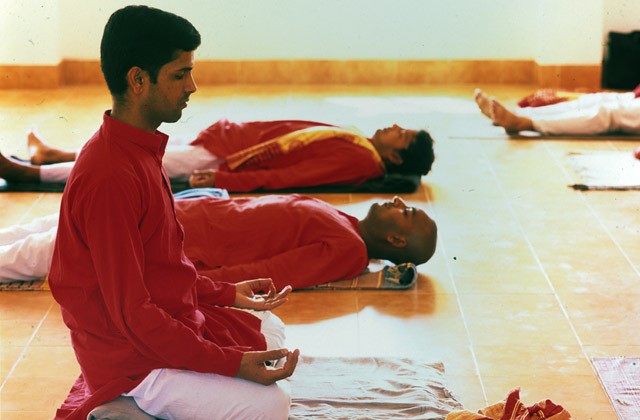
By Prashant Pandey In today’s world, there is one essential need for all of us; and if we find that…
Read Article →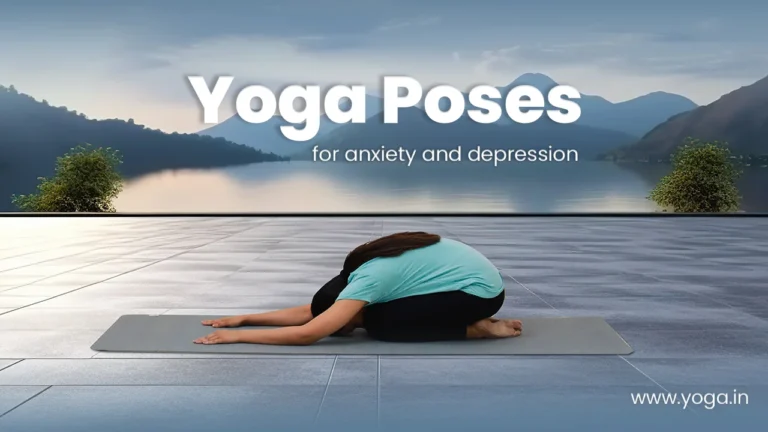
In today's fast-paced world, anxiety and depression have become common diseases, impacting millions of people globally. While modern medicine offers…
Read Article →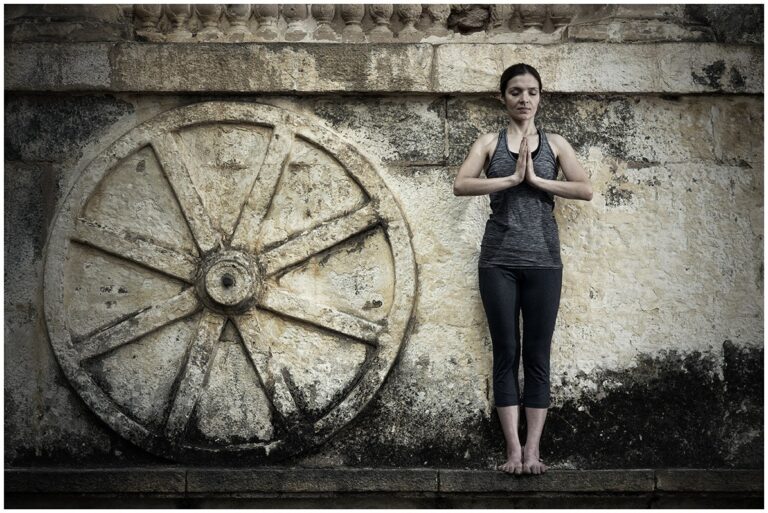
by Krishna Prakash Antar Mouna is a clear set of six stages to allow us to enter deep meditation and…
Read Article →Please login with social account to support this post.