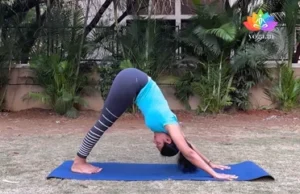
Adho Mukha Svanasana (Downward-Facing Dog Pose)
The sanskrit name is derived from adhas (अधस्) meaning down, mukha (मुख) meaning face, śvāna (श्वान) meaning dog and āsana…
Explore →
Yoga for cognitive impairment, stroke and tumor means gentle poses for calm and focus, only with your care team's approval.
Browse All Poses
The sanskrit name is derived from adhas (अधस्) meaning down, mukha (मुख) meaning face, śvāna (श्वान) meaning dog and āsana…
Explore →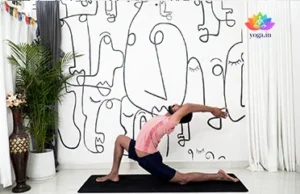
The Sanskrit name is derived from Anjane (आंजने) meaning Hanuman, the son of Anjani and asana…
Explore →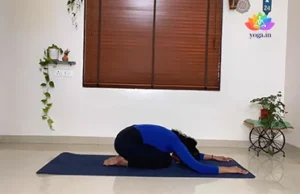
The Sanskrit name is derived from Bala (बाला) meaning child and āsana (आसन) meaning posture or…
Explore →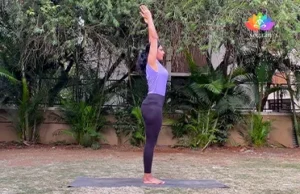
The sanskrit name is derived from hasta (हस्त) means hands, pada (पदा) means foot and asana…
Explore →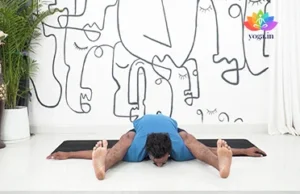
The Sanskrit name is derived from Kurma (कूर्मा) meaning tortoise and asana (आसन) meaning posture or…
Explore →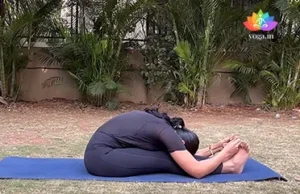
The Sanskrit name is derived from three sanskrit words: Paschima (पश्चिमा) meaning west or back of…
Explore →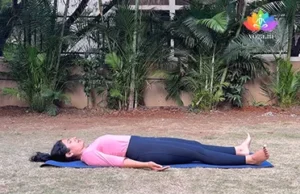
The Sanskrit name is derived from Śhava (शव) meaning "corpse" and āsana (आसन) meaning "posture" or…
Explore →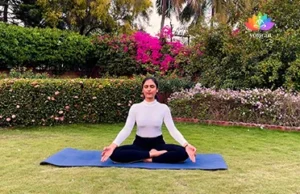
The Sanskrit name is derived from Swastika (स्वस्तिका) meaning "auspicious" and Asana (आसन) meaning a seat…
Explore →Yoga for cognitive impairment, stroke and tumor means gentle poses and slow breathing that ease stress and support focus. It does not treat these conditions. This page lists careful poses by level and explains when to call emergency services.
Understanding the Category
Cognitive impairment, stroke and brain tumor affect how the brain works, so they need medical care. Yoga cannot repair brain tissue. Gentle practice may ease stress, support balance and keep the body active during recovery.These poses fall into three groups:Rest: Savasana and Sukhasana calm the breath and the mind.Balance: Tadasana and Vrikshasana train steady focus, with a wall close.Seated: Vajrasana and Svastikasana support still attention.Start lying or seated. Use a chair or wall. Skip inversions and hard holds.
Why Practice
Suitability
Contraindications
Safety Note: Always consult a qualified yoga teacher and your healthcare provider before practising if you have existing medical conditions, injuries, or are pregnant.
By Level
By Level
By Level
Anatomy
Practice Tips
Common Questions
No. Yoga cannot cure or reverse any of these. They need medical care and, after a stroke, rehabilitation. Gentle yoga may ease stress and support balance and focus alongside your treatment.
Only with your doctor's or therapist's approval. Many people do gentle, supported poses as part of recovery. Use a chair or wall, practice with a helper, and avoid strain and head down poses.
Ask your specialist first. Avoid inversions, head down poses and forceful breathing, which can raise pressure in the head. Choose lying and seated poses and stop if you have headache, nausea or dizziness.
Savasana, Sukhasana, Tadasana and Vajrasana need little effort and keep the head level or high. Add other poses only if your care team agrees. Always keep a wall or chair close.
Evidence is limited. A few small studies suggest slow breathing and meditation may help focus, mood and sleep. Yoga is extra support and not a treatment for memory loss.
Call 999 or your local emergency number at once for a drooping face, a weak arm, slurred speech or sudden confusion, even if it passes. Also get urgent care for a sudden severe headache or a first seizure.
Keep Exploring
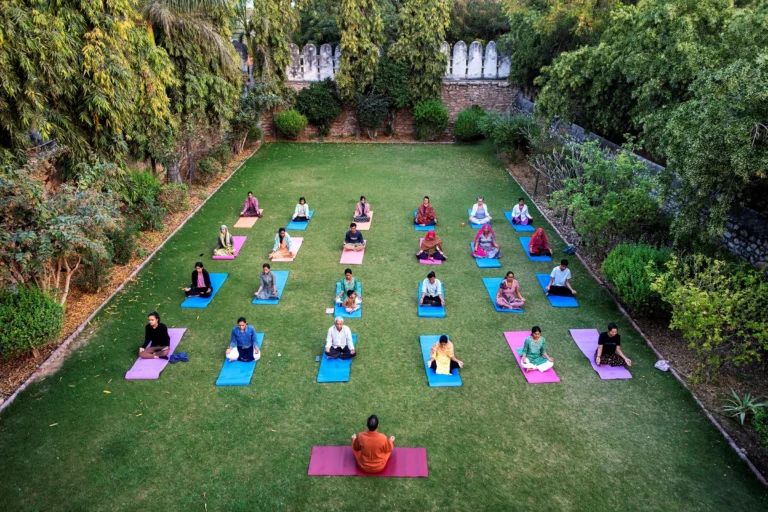
In the heart of Rajasthan’s Thar Desert, lies Shri Jasnath Asan—a sanctuary of wisdom, devotion, and quiet revolution. I came…
Read Article →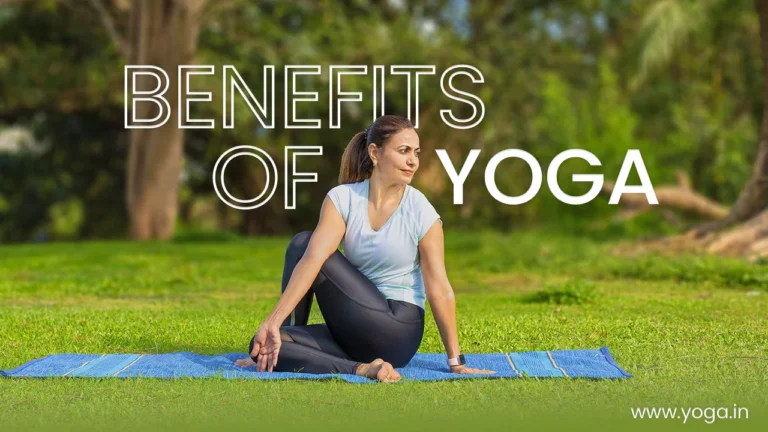
Coming down from ancient practices with deep roots, yoga carries a wide range of health benefits, which are increasingly known.…
Read Article →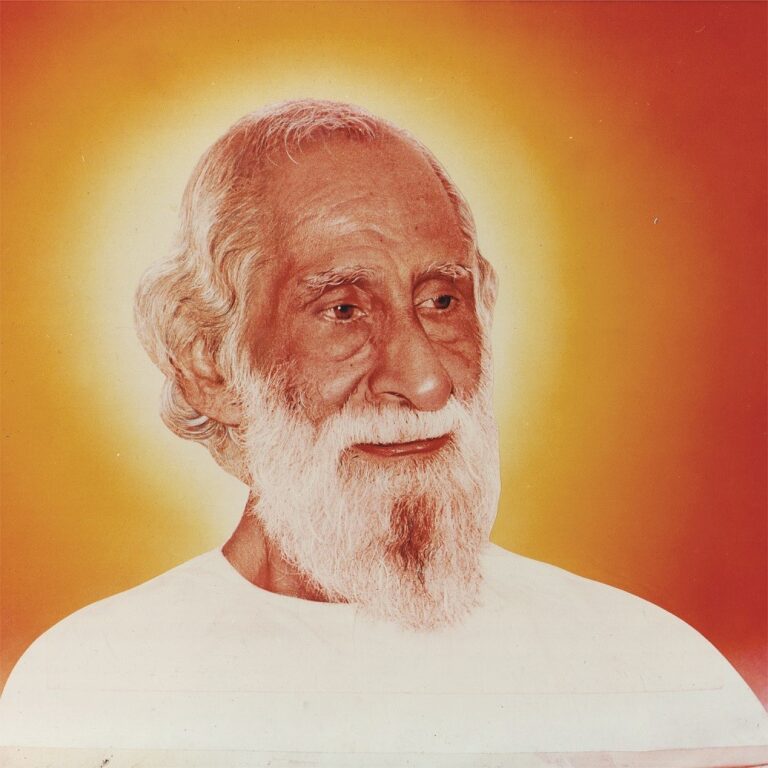
Shri Yogendra Ji, Founder, The Yoga Institute. Photo Credit: The Yoga Institute. It is my satisfaction that instead of passing…
Read Article →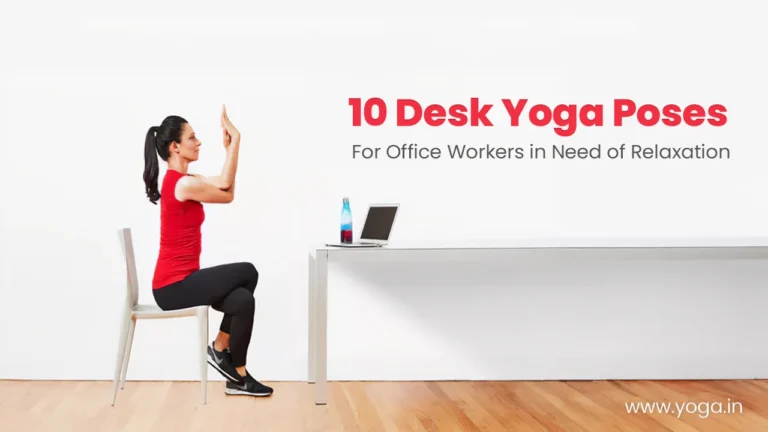
In today's fast-paced work environment, many office workers find themselves glued to their desks for hours on end. Prolonged sitting…
Read Article →Please login with social account to support this post.