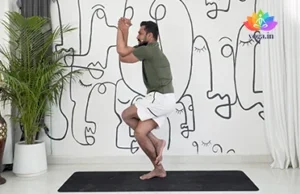
Garudasana (Eagle Pose)
The Sanskrit name is derived from Garuda (गरुडा) meaning eagle and asana (आसन) meaning posture or…
Explore →
Yoga poses for ankle pain build joint strength and restore mobility. Suitable for all levels, from beginners to advanced practitioners.
Browse All Poses
The Sanskrit name is derived from Garuda (गरुडा) meaning eagle and asana (आसन) meaning posture or…
Explore →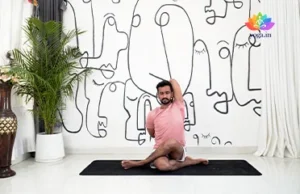
The Sanskrit name is derived from Gau (गो) meaning cow, Mukh meaning face and asana (आसन)…
Explore →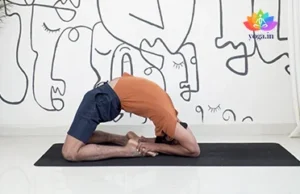
Kapotasana (कपोतासन)
The Sanskrit name is derived from Kapota (कपोटा) meaning pigeon or dove and asana (आसन) meaning…
Explore →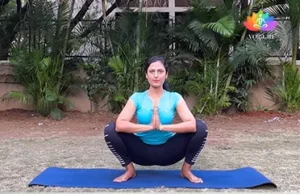
The Sanskrit name is derived from Mala (माला) means garland or rosary and āsana (आसन) meaning…
Explore →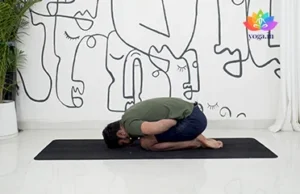
The Sanskrit name is derived from Manduka (मण्डुका) meaning frog and asana (आसन) meaning posture or…
Explore →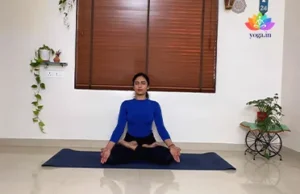
The Sanskrit name is derived from Padma (पद्मा) meaning lotus and āsana (आसन) meaning "posture" or…
Explore →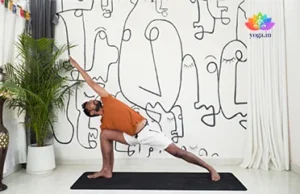
The Sanskrit name is derived from Parsva (पार्श्व) meaning side, Kona (कोना) meaning angle and asana…
Explore →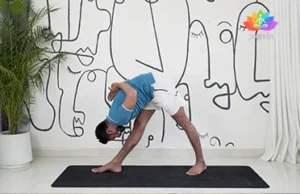
The Sanskrit name is derived from parsva (पार्श्वो) meaning side, ut (ुत) meaning intense, tan (…
Explore →Yoga poses for ankle pain are asanas that strengthen the ankle joint, restore range of motion and improve proprioception. This page lists 12 poses from beginner to advanced, explaining how each one targets ankle strength, flexibility or stability to reduce pain and prevent injury.
Understanding the Category
Yoga poses for ankle pain are asanas that work the ankle through its four primary movement directions:
Balance poses such as Tree and Eagle build proprioception — the brain’s ability to sense joint position. This is the most important factor in preventing ankle sprains.
Place ankle poses at the start of a session as a warm-up, or after standing work as a targeted cool-down. Always begin with seated and supine poses before weight-bearing work.
Why Practice
Suitability
Contraindications
Safety Note: Always consult a qualified yoga teacher and your healthcare provider before practising if you have existing medical conditions, injuries, or are pregnant.
By Level
By Level
By Level
Anatomy
Practice Tips
Common Questions
Yoga poses for ankle pain are asanas that strengthen the ankle joint, improve flexibility and build proprioception. They work the ankle through dorsiflexion, plantar flexion, eversion and inversion. Key poses include Tadasana, Downward Dog, Tree Pose, Eagle Pose and Malasana.
Tadasana (Mountain Pose) is the best starting point as it trains alignment without strain. Garudasana (Eagle Pose) is the most targeted ankle strengthener. Malasana (Garland Pose) gives the deepest ankle stretch by taking the joint into full dorsiflexion.
Yes, with modifications. During the acute phase, stick to seated and supine poses only. Avoid all weight-bearing poses until pain and swelling subside. Once pain-free, begin with Tadasana and Downward Dog before progressing to balance poses like Tree Pose.
Proprioception is the brain's ability to sense the position and movement of a joint. Ankles with poor proprioception are more likely to roll and sprain. Balance poses like Tree Pose and Eagle Pose directly train this sense and reduce re-injury risk.
Practise daily if possible, even for 10 to 15 minutes. Gentle seated ankle stretches can be done every day. Balance and standing poses should be done 3 to 5 times per week. Consistency matters more than duration for ankle rehabilitation.
Avoid full weight-bearing balance poses during an acute sprain or fracture. Skip deep squats like Malasana if the ankle cannot dorsiflex without pain. Avoid Natarajasana and advanced balancing until the ankle is fully stable and pain-free.
Keep Exploring

In today's fast-paced work environment, many office workers find themselves glued to their desks for hours on end. Prolonged sitting…
Read Article →
The Practice of Ahimsa - Ahimsa is ‘nonviolence’; the first and the foremost of the five Yama (Social codes of conduct) in the yoga sutras of Patanjali. Find out more on how you can incorporate Ahimsa in your Yoga practice.
Read Article →
“Incorporating yoga into your daily routine is a powerful step toward holistic health. It’s a practice that nurtures not just…
Read Article →
Teaching yoga offers more than just sharing poses and breathing techniques. Over time, I've seen students grow in ways I…
Read Article →Please login with social account to support this post.