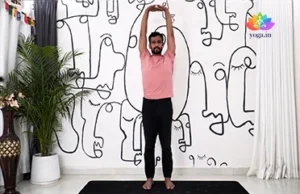
Tadasana (Mountain Pose)
The sanskrit name is derived from tada (ताड़ा) meaning mountain and āsana (आसन) meaning posture or…
Explore →
Yoga poses for cervical ease neck tension and stiffness through gentle mobility and support.
Browse All Poses
The sanskrit name is derived from tada (ताड़ा) meaning mountain and āsana (आसन) meaning posture or…
Explore →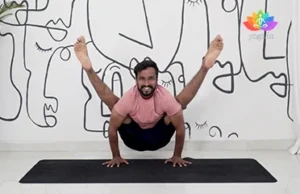
The Sanskrit name is derived from Tittibha (तिट्टीभा) meaning fly or insect and asana (आसन) meaning…
Explore →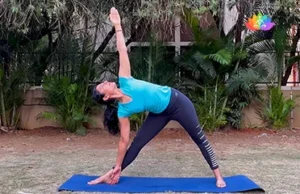
The sanskrit name is derived from three Sanskrit Words: Tri (त्रि) meaning three, Kona (कोणा) meaning…
Explore →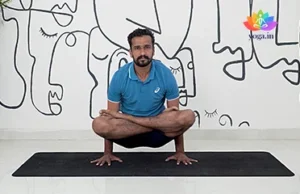
The Sanskrit name is derived from Tula (तुला) meaning balance and asana (आसन) meaning posture or…
Explore →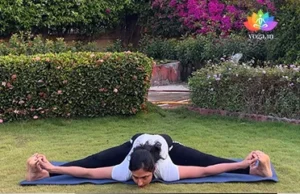
The Sanskrit name is derived from Upavistha (उपविष्ट) means open/seated, Kona (कोना) means angle and asana…
Explore →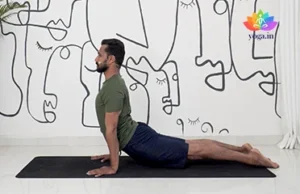
The Sanskrit name is derived from Urdhva (ऊर्ध्व) meaning up, Mukha (मुख) meaning face, Svān (श्वान)…
Explore →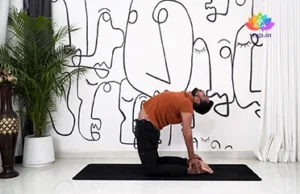
The Sanskrit name is derived from Ushtra (उष्ट्रासनI) meaning camel and Asana (आसन) meaning a pose.
Explore →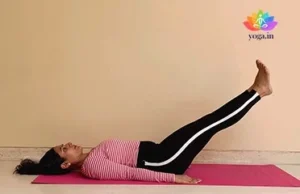
उत्तानपादासन
In Sanskrit, Uttana means 'raised', and pada means 'leg'; thus, Uttanpadasana is also called the raised…
Explore →Yoga poses for cervical gently mobilize and support the neck, easing tension from desk work and poor posture. This page groups beginner-to-advanced poses that build neck mobility and strength, deliberately excluding neck-loading inversions many sites recommend without caution.
Understanding the Category
Yoga poses for cervical work the neck through three functions.
This page deliberately excludes neck-loading inversions like Shoulder Stand and Plow Pose, since they place direct weight on the cervical spine.
Suitability
Contraindications
Safety Note: Always consult a qualified yoga teacher and your healthcare provider before practising if you have existing medical conditions, injuries, or are pregnant.
By Level
By Level
By Level
Anatomy
Practice Tips
Common Questions
Yoga poses for cervical are gentle asanas that mobilize, support, and strengthen the muscles around the neck, easing tension from desk work and poor posture without loading weight directly onto the cervical spine.
Many people use gentle neck mobility and strengthening poses to help manage stiffness associated with cervical spondylosis, but yoga is not a substitute for medical diagnosis or treatment. Always consult a doctor for a persistent condition.
Shoulder Stand and Plow Pose place direct weight on the cervical spine and are commonly avoided by those with neck sensitivity. They should only be practiced with experienced, individual guidance, if at all.
Most gentle neck poses are held for 15 to 30 seconds, moving slowly and stopping well before any sense of strain or pain.
See a doctor promptly if neck pain is severe, follows an injury, or comes with numbness, tingling, or weakness radiating into the arm or hand.
Yes. Poses that strengthen the upper back and open the chest, like Cobra and Locust Pose, help counter the forward head posture common with desk and phone use.
Keep Exploring
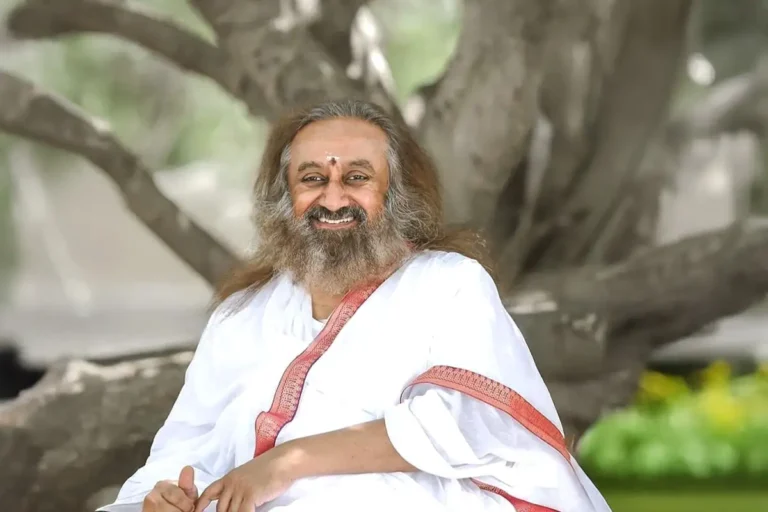
"The real purpose of life can only be found deep within yourself. Once that is found, nothing else matters and…
Read Article →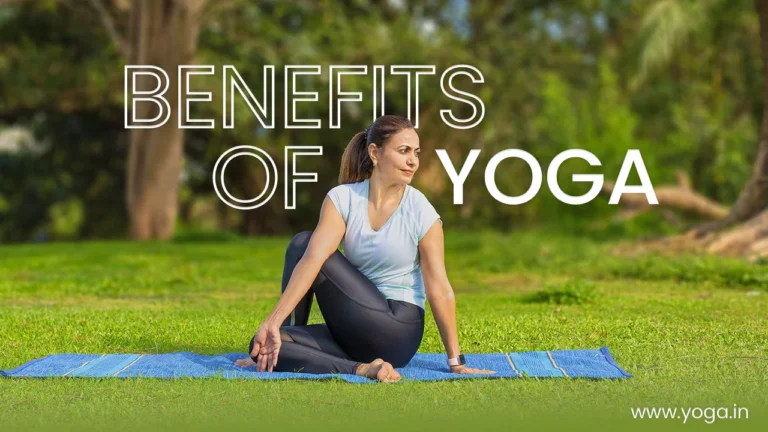
Coming down from ancient practices with deep roots, yoga carries a wide range of health benefits, which are increasingly known.…
Read Article →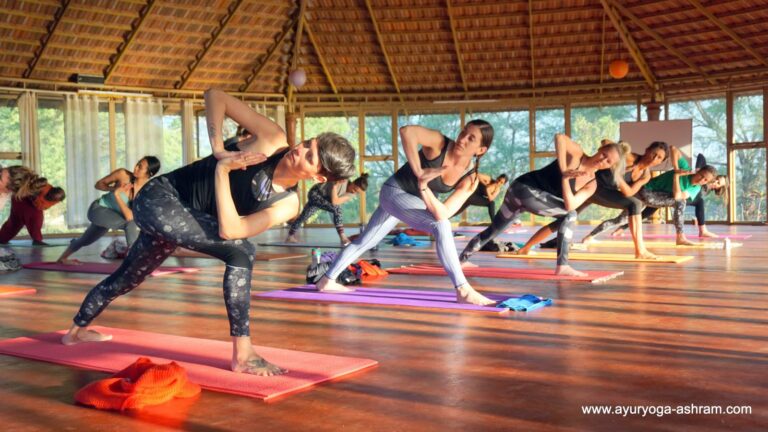
Yogis practicing Asana at AyurYoga Eco-Ashram. Photo Credit: AyurYoga Eco-Ashram BY ADITHI MATHEWS According to the holy book, The Bhagavad…
Read Article →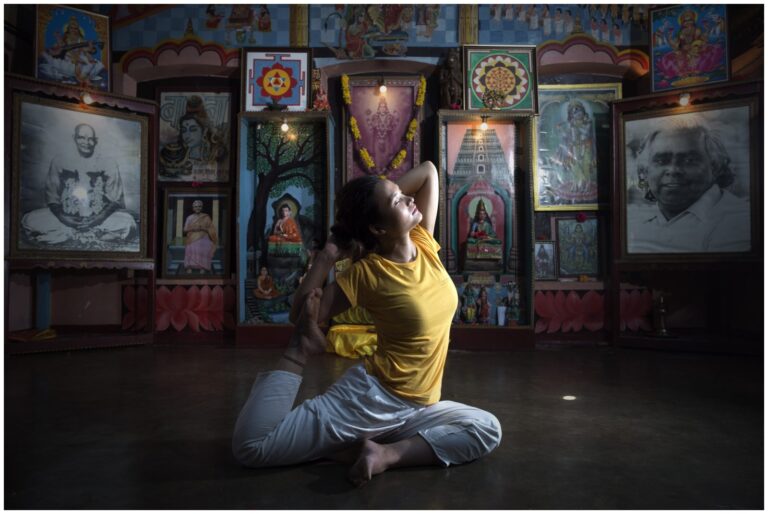
During these virus-shaken days many of us are seeking for online guidance on their yogic path. Numerous online courses pop…
Read Article →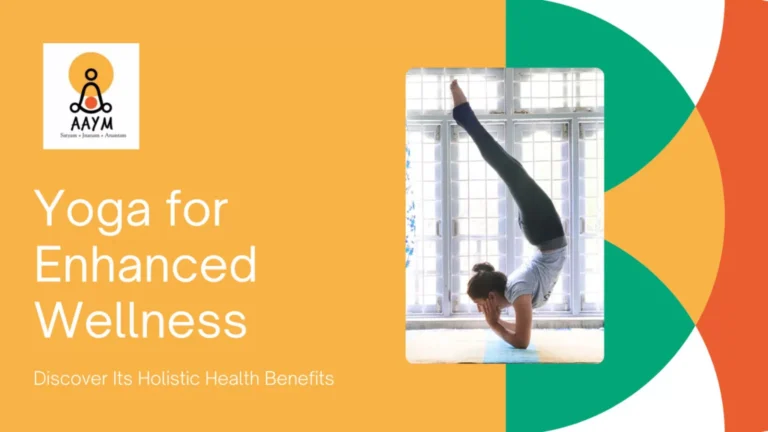
“Incorporating yoga into your daily routine is a powerful step toward holistic health. It’s a practice that nurtures not just…
Read Article →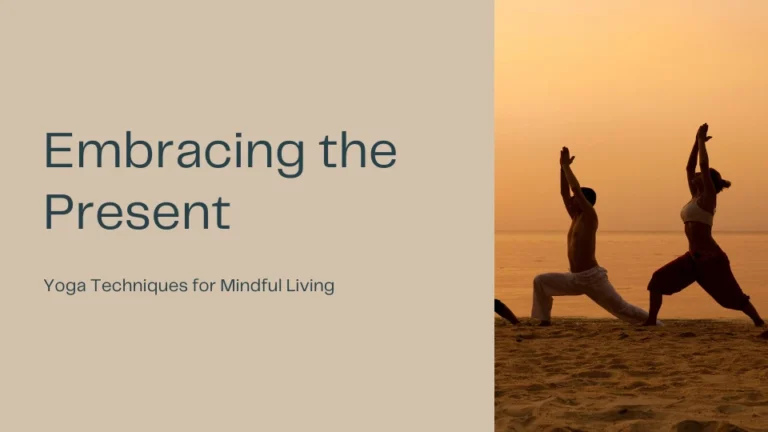
“Yoga techniques for mindfulness are more than just exercises; they are invitations to live more fully in the present moment.…
Read Article →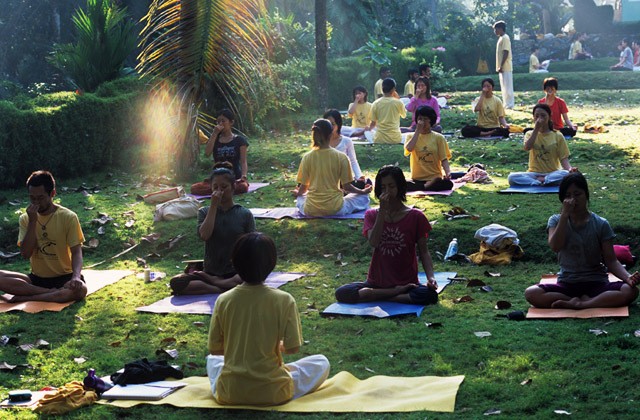
It is an excellent idea to invest in any kind of Yogic learning, especially in a Yoga Teacher Training, in…
Read Article →Please login with social account to support this post.