

- Kneel on the mat with the knees together and the feet slightly wider than the hips.
- Press the tops of the feet and shins evenly into the mat.
- Draw the calf muscles outward with your hands to make space behind the knees.
- Exhale and slowly lower the hips down between your heels.
- If the hips do not reach the floor, sit on a block or folded blanket.
- Rest the palms on the thighs, or bring them together at the chest.
- Lengthen the spine and lift through the crown of the head.
- Relax the shoulders and soften the face and jaw.
- Hold for 30 seconds to a few minutes, breathing steadily.
- To exit, lean on your hands, lift the hips and extend the legs forward.
Virasana (Virasana (Hero Pose))
Sanskrit: वीरासन · Pronunciation: vee-RAHS-anna · Chakras: Muladhara, Svadhisthana
This page explains virasana, the Hero Pose, for learners searching how to practise this kneeling seat correctly and safely. You will find clear steps, alignment cues, common mistakes, benefits, variations, props and safety guidance. It suits beginners and regular practitioners who want a clear, practical, teacher-led guide to Hero Pose and its knee-friendly modifications.
Overview
What Is Virasana?
Virasana, or Hero Pose, is a seated yoga posture in which you kneel with the knees together and lower the hips to the floor between the heels. It stretches the thighs, knees and ankles, lengthens the spine, and makes a steady seat for meditation and breathwork. It is often used to warm up for deeper kneeling poses and, with props, can be practised comfortably by many people.
Sanskrit Name
Virasana (वीरासन)
English Name
Hero Pose
Difficulty
Beginner to Intermediate
Pose Type
Seated Kneeling Pose, Meditative Seat
Body Focus
Thighs, Knees, Ankles, Feet, Spine
Muscles
Quadriceps, Tibialis anterior, Erector spinae
Chakras
Muladhara, Svadhisthana
Dosha Effect
Traditionally Vata-grounding; Kapha — reducing
Historical Ref
Classical Hatha yoga texts; Iyengar tradition
Yoga Style
Hatha, Iyengar, Ashtanga, Yin
Hold Duration
30 seconds to 3 minutes
Best Time
Morning or evening; after meals if comfortable
Preparatory
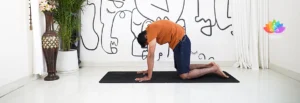
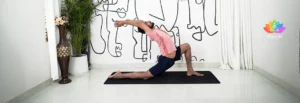
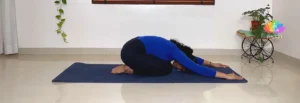
Vajrasana, Cat-Cow, Anjaneyasana, Balasana
Counter Poses
Dandasana, Paschimottanasana
Warm Up First
Preparatory Poses
Step by Step
How to Do Virasana — Step-by-Step Instructions
Alignment Cues
Key Alignment Cues
- Keep the knees together and pointing straight forward.
- Set the feet slightly wider than the hips with toes pointing back.
- Press the tops of the feet evenly into the floor.
- Draw the calves outward to protect the knee joints.
- Lengthen the spine from the tailbone to the crown of the head.
- Stack the shoulders over the hips with the chest open.
- Rest the sitting bones evenly on the floor or the prop.
- Keep the chin parallel to the floor and the neck long.
Watch Out
Common Mistakes
Forcing the Hips Down
Use a block or blanket to lift the seat and protect the knees.
Knees Splayed Apart
Keep the knees together and the feet slightly wider than the hips.
Ankles Rolling Inward
Keep the feet straight back; pad the ankles if needed.
Rounded Lower Back
Lift the seat on a prop and lengthen the spine upward.
Calves Bunched Behind the Knees
Draw the calf muscles outward before lowering the hips.
Collapsing the Chest
Roll the shoulders back and lift the sternum.
Benefits
Benefits of Virasana
Legs and Ankles
- Stretches the thighs
- Lengthens the knees and ankles
- Stretches the tops of the feet
Spine and Posture
- Encourages an upright spine
- Opens the chest
- Builds steady sitting posture
Digestion and Calm
- Traditionally supports digestion
- Calms the mind
- Eases mild stress
Meditation
- Makes a stable seat
- Deepens breath awareness
Variations
Virasana Variations to Consider
Virasana on a Block Sit on a block between the feet to ease the knees and ankles.
Supta Virasana Recline back over a bolster for a deeper thigh stretch.
Adho Mukha Virasana Fold forward over the thighs with the arms extended.
Virasana with Arms Overhead Lift the arms overhead to lengthen the spine and open the shoulders.
Blanket-Supported Virasana Place a rolled blanket behind the knees or under the ankles.
Hero Pose with Cow Face Arms Bind the arms behind the back to open the shoulders and chest.
After the Pose
Counter Poses for Virasana (Hero Pose)
Always neutralise the spine after any backbend. Practice one or two of these counter poses immediately after Virasana (Hero Pose):
Dandasana (Stick Pose)
Extends the legs and releases the knees and ankles.
Avoid If
Who Should Avoid This Pose
- Knee injury, meniscus tear or arthritis
- Recent knee or ankle surgery
- Severe ankle pain or injury
- Painful tight quadriceps or hip flexors
- Pregnancy; use props and skip deep flexion
- Severe circulation issues in the legs
Therapeutic Uses
Ailments That May Benefit from Virasana (Hero Pose)
- Traditionally recommended for tired, heavy legs; evidence is limited.
- Traditionally suggested to support digestion after meals.
- May relieve mild stiffness in the ankles and feet.
- Traditionally recommended for flat feet; evidence is limited.
- May support mindful breathing and a calm mind.
- Not a treatment for high blood pressure or asthma; consult a doctor.
FAQ
Frequently Asked Questions
What is virasana?
A kneeling seated pose, called Hero Pose, with hips lowered between the heels and knees together.
What does virasana mean in Sanskrit?
Vira means hero and asana means pose, so virasana is the Hero Pose.
How long should I stay in Hero Pose?
Start with 30 seconds and build to a few minutes as your knees and ankles allow.
What is the difference between Virasana and Vajrasana?
Virasana sits between the heels; Vajrasana sits on the heels.
Why do my knees hurt in Virasana?
The hips are too low. Sit on a block or blanket, or choose Vajrasana instead.
Can I meditate in Hero Pose?
Yes. It makes a steady upright seat and is a common choice for breathwork.
Can beginners do virasana?
Yes, with a block or blanket under the hips and slow, pain-free entry.
Who should avoid Virasana?
Avoid with knee or ankle injury, recent leg surgery, or pain in deep knee flexion.