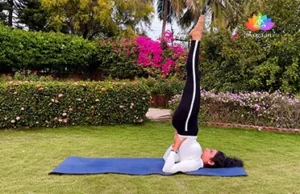
Sarvangasana (Shoulderstand)
The Sanskrit name is derived from Sarva (सर्वाङ्ग) meaning all, Anga meaning body part and āsana…
Explore →
Yoga poses for erectile dysfunction support pelvic blood flow. Suitable for all levels as a complement to medical care.
Browse All Poses
The Sanskrit name is derived from Sarva (सर्वाङ्ग) meaning all, Anga meaning body part and āsana…
Explore →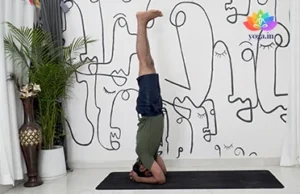
The Sanskrit name is derived from Sirsa (शीर्ष) meaning head and asana (आसन) meaning posture or…
Explore →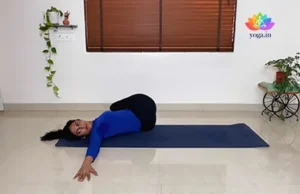
The Sanskrit name is derived from Supta (सुप्त) means supine, Matsya (मत्स्य) meaning fish, Indra (इन्द्र)…
Explore →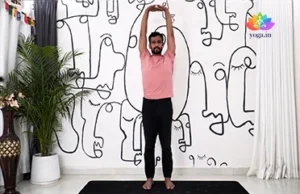
The sanskrit name is derived from tada (ताड़ा) meaning mountain and āsana (आसन) meaning posture or…
Explore →Yoga poses for erectile dysfunction are asanas that support pelvic blood flow, reduce stress hormones, strengthen the pelvic floor and improve hip flexibility. This page lists 12 poses from beginner to advanced and explains how each one supports sexual health as a complementary practice.
Understanding the Category
Yoga poses for erectile dysfunction are asanas that support male sexual health through four primary mechanisms:
These poses sit mid-to-late in a practice. Always consult a doctor about underlying physical or psychological causes of erectile dysfunction before relying on yoga alone.
Why Practice
Suitability
Contraindications
Safety Note: Always consult a qualified yoga teacher and your healthcare provider before practising if you have existing medical conditions, injuries, or are pregnant.
By Level
By Level
By Level
Anatomy
Practice Tips
Common Questions
Yoga poses for erectile dysfunction are asanas that support pelvic blood flow, strengthen the pelvic floor, reduce stress hormones and support hormonal balance. They work as a complementary tool alongside medical care, not as a standalone treatment for ED.
Setu Bandhasana (Bridge Pose) is the most accessible and targeted pose for pelvic floor strength. Baddha Konasana (Bound Angle) improves pelvic circulation. Sarvangasana (Shoulderstand) and Sirsasana (Headstand) support hormonal balance for experienced practitioners.
Yes. Psychological stress is a leading driver of erectile dysfunction. Yoga measurably lowers cortisol and activates the parasympathetic nervous system. Regular practice of forward folds, restorative poses and breathing reduces the anxiety that drives stress-related ED.
Forward bends and hip openers increase blood circulation to the pelvic region by releasing tight hip flexors and improving venous return. Inversions redirect blood from the legs to the pelvis and lower abdomen. Better pelvic circulation supports erectile tissue health.
Practise at least 4 times per week for meaningful benefit. Daily practice is ideal. Consistency matters more than session length. A 30-minute routine combining hip openers, Bridge Pose and restorative forward folds is a practical starting point.
Yes. Erectile dysfunction has many causes including vascular disease, diabetes, hormonal imbalance and psychological factors. A doctor should identify the underlying cause. Yoga works best as a complement to appropriate medical treatment, not as a replacement.
Keep Exploring
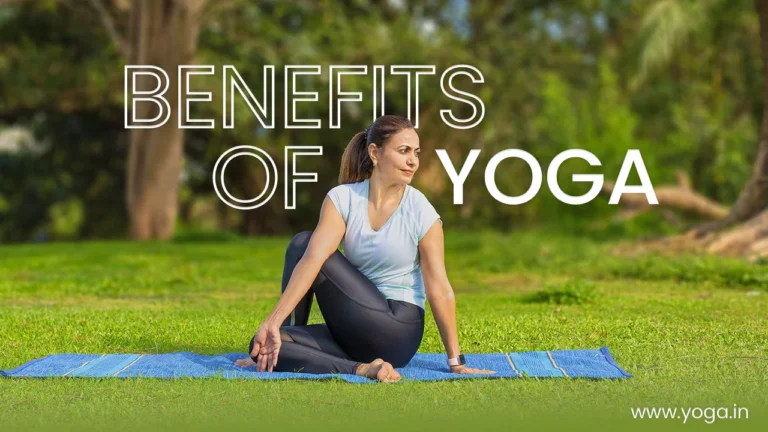
Coming down from ancient practices with deep roots, yoga carries a wide range of health benefits, which are increasingly known.…
Read Article →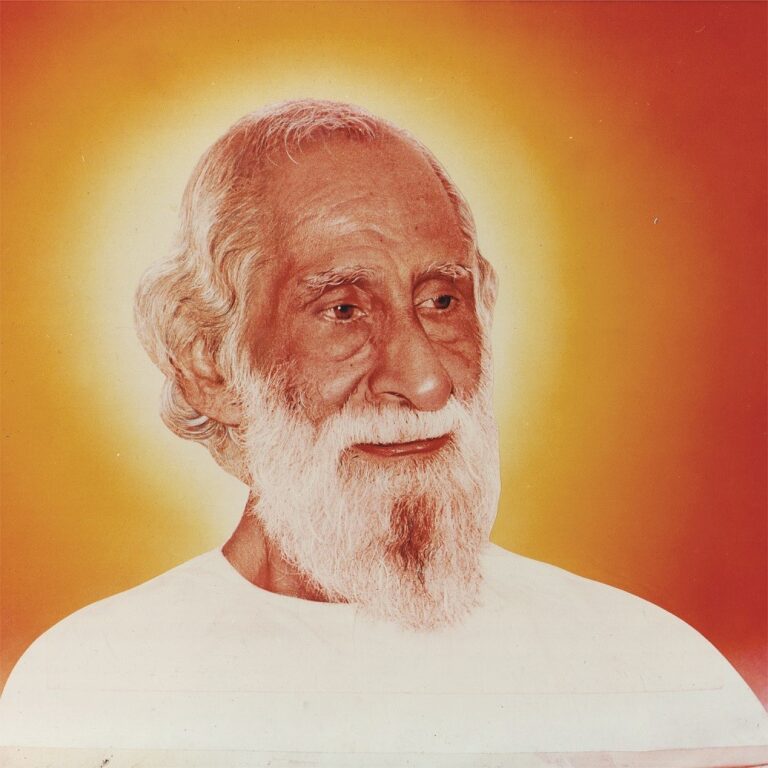
Shri Yogendra Ji, Founder, The Yoga Institute. Photo Credit: The Yoga Institute. It is my satisfaction that instead of passing…
Read Article →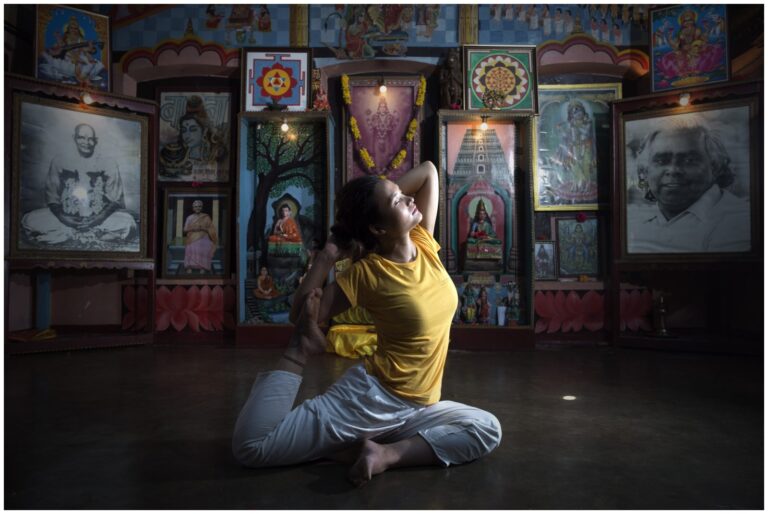
During these virus-shaken days many of us are seeking for online guidance on their yogic path. Numerous online courses pop…
Read Article →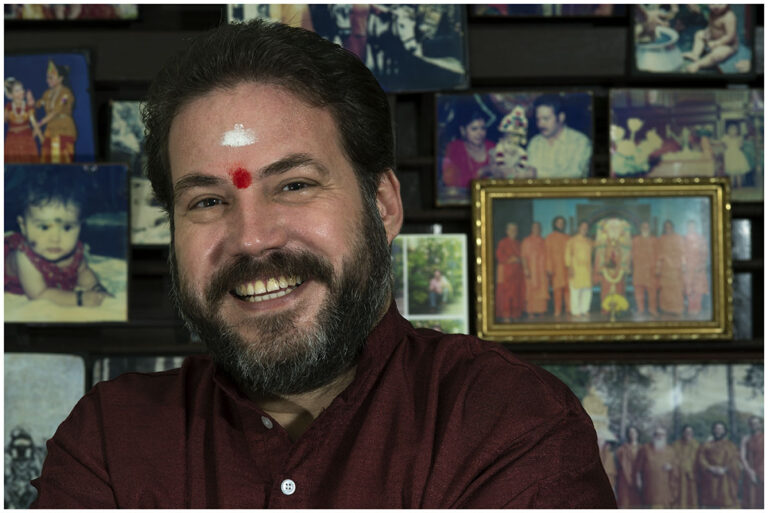
Dr. Ananda Balayogi Bhavanani incorporates two seemingly opposing worlds: During his childhood and early adult years, he lived an ashram…
Read Article →Please login with social account to support this post.