YOGA.IN | ASANAS | AILMENT

Yoga Poses for Erectile Dysfunction - Pelvic Health, Blood Flow and Stress Relief Guide

Yoga poses for erectile dysfunction support pelvic blood flow. Suitable for all levels as a complement to medical care.

12 Poses Covered 3 Skill Levels Safe Practice Tips Included FAQs Answered

Browse All Poses

List of Erectile Dysfunction

See by level ↓
Anjaneyasana (Crescent Moon Pose)

Anjaneyasana (Crescent Moon Pose)

The Sanskrit name is derived from Anjane (आंजने) meaning Hanuman, the son of Anjani and asana…

Explore →
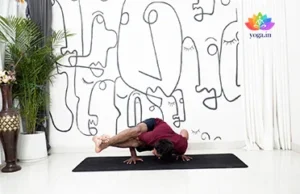
Astavakrasana (Eight-Angle Pose)

Astavakrasana (Eight-Angle Pose)

The sanskrit name is derived from ashta (अष्ट) meaning eight, Vakra (वक्र) meaning curved or bent…

Explore →
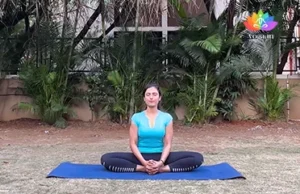
Bhadrasana (Gracious Pose | Butterfly Pose)

Bhadrasana (Gracious Pose | Butterfly Pose)

The Sanskrit name is derived from Bhadra (भद्रा) meaning gracious, auspicious or blessed and āsana (आसन)…

Explore →
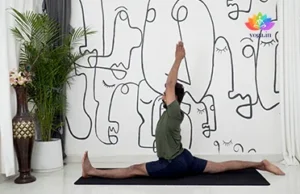
Hanumanasana (Monkey Pose)

Hanumanasana (Monkey Pose)

The Sanskrit name is derived from the Hindu God -Hanuman (हनुमान) (monkey-god) and asana (आसन) meaning…

Explore →
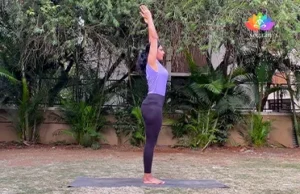
Hastapadasana (Hand to Foot Pose)

Hastapadasana (Hand to Foot Pose)

The sanskrit name is derived from hasta (हस्त) means hands, pada (पदा) means foot and asana…

Explore →
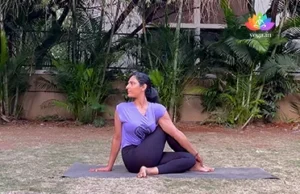
Matsyendrasana (Lord of the Fishes Pose)

Matsyendrasana (Lord of the Fishes Pose)

The name Matsyendrasana is derived from the Sanskrit words Matsya (मत्स्य) meaning fish, Indra (इन्द्र) meaning…

Explore →
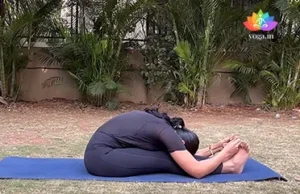
Paschimottanasana (Seated Forward Bend)

Paschimottanasana (Seated Forward Bend)

The Sanskrit name is derived from three sanskrit words: Paschima (पश्चिमा) meaning west or back of…

Explore →
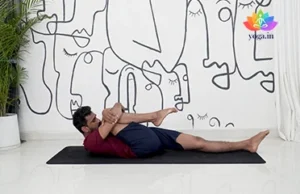
Pawanmuktasana — Wind Relieving Pose 

पवनमुक्तासन)

Pawanmuktasana — Wind Relieving Pose 

Pawanmuktasana is a supine wind-relieving posture composed of three Sanskrit words — Pawan (wind / Apana…

Explore →

Yoga poses for erectile dysfunction are asanas that support pelvic blood flow, reduce stress hormones, strengthen the pelvic floor and improve hip flexibility. This page lists 12 poses from beginner to advanced and explains how each one supports sexual health as a complementary practice.

Understanding the Category

What Are Erectile Dysfunction?

Yoga poses for erectile dysfunction are asanas that support male sexual health through four primary mechanisms:

  • * Pelvic blood flow: forward bends, hip openers and inversions increase circulation to the pelvic region, which supports erectile tissue health.
  • * Pelvic floor strength: poses like Bridge Pose and Baddha Konasana engage and tone the bulbocavernosus and ischiocavernosus muscles that support erection.
  • * Stress and cortisol reduction: high cortisol suppresses testosterone and restricts blood vessels. Restorative and forward-folding poses lower cortisol measurably.
  • * Hormonal support: inversions such as Sarvangasana and Sirsasana stimulate endocrine activity in the pituitary and thyroid glands.

These poses sit mid-to-late in a practice. Always consult a doctor about underlying physical or psychological causes of erectile dysfunction before relying on yoga alone.

Why Practice

Benefits of Erectile Dysfunction

🩸
Pelvic Blood Flow Hip openers and forward folds direct blood to the pelvic region. Improved circulation in the pelvis supports the vascular health of erectile tissue.
💪
Pelvic Floor Strength Bridge Pose and seated hip openers tone the pelvic floor muscles. Stronger bulbocavernosus and ischiocavernosus muscles support erectile function directly.
😌
Stress and Anxiety Reduction Restorative and forward-folding poses lower cortisol and calm the nervous system. Psychological stress is a leading cause of erectile dysfunction; yoga addresses it directly.
⚖️
Hormonal Balance Inversions and twists stimulate endocrine glands including the pituitary and thyroid. Better hormonal balance supports healthy testosterone levels and sexual vitality.
🤸
Hip Flexor Flexibility Low lunges and splits open the hip flexors, which are chronically tight in desk workers. Tight hip flexors restrict pelvic blood flow and nerve function; releasing them helps.
🧠
Mental Confidence and Focus Challenging poses like Headstand and Eight-Angle build discipline and self-confidence. Psychological confidence is a key factor in sexual performance and reducing performance anxiety.

Suitability

Who Should Practice?

  • Men experiencing stress-related or anxiety-driven erectile difficulties
  • Those with poor pelvic circulation from sedentary work or lifestyle
  • Men wanting to strengthen the pelvic floor as part of a broader health routine
  • Those seeking to reduce cortisol and stress as contributing factors to ED
  • Men in recovery from prostate issues (with medical clearance) seeking pelvic rehabilitation
  • Anyone wanting to improve general pelvic health and hip flexibility

Contraindications

Who Should Avoid Erectile Dysfunction?

  • Anyone with acute lower back injury: avoid deep forward folds and twists until pain-free
  • Those with recent pelvic or abdominal surgery: seek medical clearance before pelvic poses
  • Men with glaucoma or uncontrolled hypertension: avoid full inversions (Sirsasana, Sarvangasana)
  • Those with severe hip pathology: avoid Hanumanasana and deep hip openers without guidance
  • Anyone experiencing acute prostate inflammation: avoid seated compression poses
  • Those whose ED is caused by an undiagnosed medical condition: seek diagnosis first

By Level

Beginner Erectile Dysfunction

By Level

Intermediate Erectile Dysfunction

By Level

Advanced Erectile Dysfunction

Anatomy

Muscles Worked

🦴
Pelvic Floor Bulbocavernosus, ischiocavernosus, pubococcygeus, iliococcygeus
🦵
Hip Flexors Iliopsoas, rectus femoris, sartorius
💪
Hips and Groin Adductors, abductors, piriformis, obturator group
🛡️
Lower Back Erector spinae, multifidus, quadratus lumborum
🧠
Nervous System Parasympathetic system, pudendal nerve, pelvic autonomic plexus
💪
Core Transverse abdominis, obliques, rectus abdominis

Practice Tips

Tips for Safe Practice

  • ✓Consult your doctor to identify any physical or psychological cause of ED
  • ✓Practise Bridge Pose daily to build pelvic floor strength gradually
  • ✓Hold hip-opening poses for 60 to 90 seconds for deep circulation benefits
  • ✓Combine yoga with diaphragmatic breathing to activate the parasympathetic system
  • ✓Practise inversions only if you have no glaucoma or blood pressure issues
  • ✓Include a 10-minute Savasana at the end of every session
  • ✓Practise consistently at least 4 times per week for best results
  • ✓Avoid abdominal compression poses if you have prostate inflammation
  • ✓Pair yoga with stress management and adequate sleep for full benefit
  • ✓Progress gradually from beginner poses before attempting advanced inversions

Common Questions

Frequently Asked Questions

What are yoga poses for erectile dysfunction?

Yoga poses for erectile dysfunction are asanas that support pelvic blood flow, strengthen the pelvic floor, reduce stress hormones and support hormonal balance. They work as a complementary tool alongside medical care, not as a standalone treatment for ED.

Which yoga pose is best for erectile dysfunction?

Setu Bandhasana (Bridge Pose) is the most accessible and targeted pose for pelvic floor strength. Baddha Konasana (Bound Angle) improves pelvic circulation. Sarvangasana (Shoulderstand) and Sirsasana (Headstand) support hormonal balance for experienced practitioners.

Can yoga help with stress-related erectile dysfunction?

Yes. Psychological stress is a leading driver of erectile dysfunction. Yoga measurably lowers cortisol and activates the parasympathetic nervous system. Regular practice of forward folds, restorative poses and breathing reduces the anxiety that drives stress-related ED.

How does yoga improve pelvic blood flow?

Forward bends and hip openers increase blood circulation to the pelvic region by releasing tight hip flexors and improving venous return. Inversions redirect blood from the legs to the pelvis and lower abdomen. Better pelvic circulation supports erectile tissue health.

How often should I practise yoga for erectile dysfunction?

Practise at least 4 times per week for meaningful benefit. Daily practice is ideal. Consistency matters more than session length. A 30-minute routine combining hip openers, Bridge Pose and restorative forward folds is a practical starting point.

Should I see a doctor before starting yoga for ED?

Yes. Erectile dysfunction has many causes including vascular disease, diabetes, hormonal imbalance and psychological factors. A doctor should identify the underlying cause. Yoga works best as a complement to appropriate medical treatment, not as a replacement.

✕

Login to Like

Please login with social account to support this post.

[nextend_social_login]

Find Your Videos

Choose a category