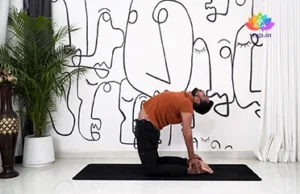
Ushtrasana (Camel Pose)
The Sanskrit name is derived from Ushtra (उष्ट्रासनI) meaning camel and Asana (आसन) meaning a pose.
Explore →
Yoga for disc herniation means gentle, low strain poses that support back comfort, alongside your doctor's advice.
Browse All Poses
The Sanskrit name is derived from Ushtra (उष्ट्रासनI) meaning camel and Asana (आसन) meaning a pose.
Explore →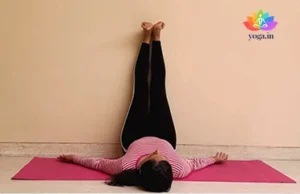
The Sanskrit name is derived from Viparita (विपरिता) meaning inverted and Karani (करणी) meaning action.
Explore →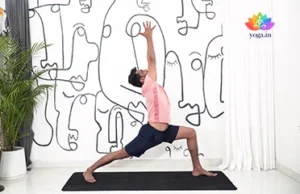
The Sanskrit name is derived from Vira (विरा) meaning hero, Bhadra (भद्रा )meaning friend and āsana…
Explore →Yoga for disc herniation means gentle, low strain poses that support back comfort and mobility. Yoga does not heal a slipped disc. This page lists safe poses by level and explains the warning signs that need urgent care.
Understanding the Category
A herniated disc, or slipped disc, happens when the soft centre of a spinal disc bulges out. It can press on a nerve and cause back or leg pain. Yoga cannot push a disc back. It may ease muscle tension and keep you moving.
These poses fall into three groups:
Move within pain free limits. Keep the spine long. Skip deep bends and twists.
Why Practice
Suitability
Contraindications
Safety Note: Always consult a qualified yoga teacher and your healthcare provider before practising if you have existing medical conditions, injuries, or are pregnant.
By Level
By Level
By Level
Anatomy
Practice Tips
Common Questions
No. Yoga cannot push a disc back or heal it. Most slipped discs improve over time with activity and medical advice. Gentle poses may ease muscle tension and keep you moving.
The NHS says gentle activity such as yoga is fine if it does not worsen the pain. Check with your doctor first. Move slowly, avoid deep bends and twists, and stop if pain or tingling increases.
Savasana, Makarasana, Marjariasana and Setubandhasana are gentle and load the back very little. Add standing poses such as Tadasana when you feel stable. Keep the spine long.
Avoid deep backbends such as Chakrasana, Ushtrasana and Dhanurasana, and forced twists. They can pinch the disc. A low Bhujangasana is a mild option for many people, with your doctor's approval.
Practice 10 to 20 minutes, most days. Short, gentle sessions work better than long ones. Add walking and avoid long periods of sitting.
Call 999 or go to A&E for numbness around the bottom or genitals, trouble passing urine, loss of bladder or bowel control, or loss of feeling in a leg. See a GP if pain lasts several weeks.
Keep Exploring
“Incorporating yoga into your daily routine is a powerful step toward holistic health. It’s a practice that nurtures not just…
Read Article →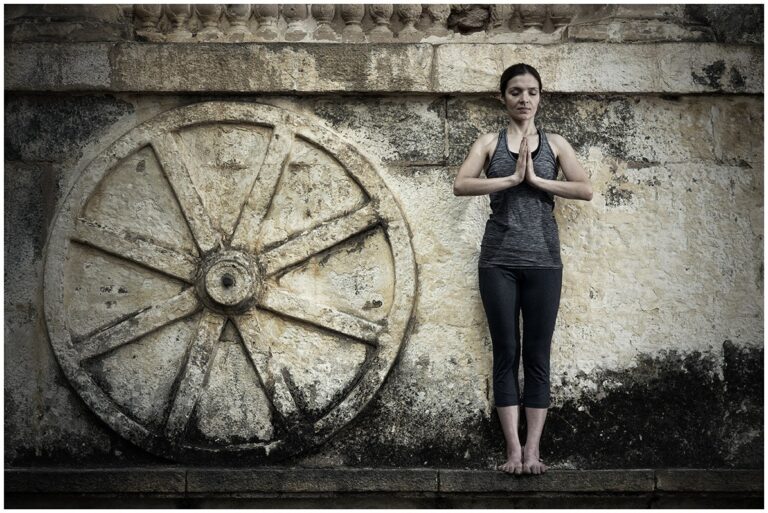
by Krishna Prakash Antar Mouna is a clear set of six stages to allow us to enter deep meditation and…
Read Article →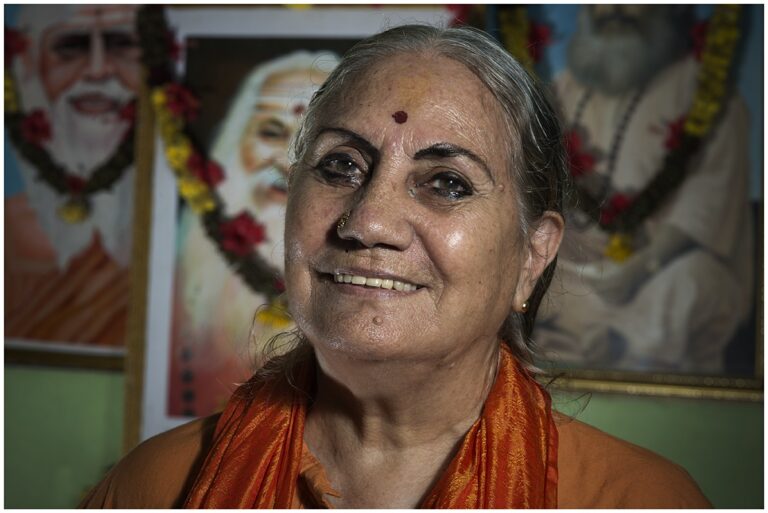
In our interview Ammaji (Yogacharini Meenakshi Devi Bhavanani) is giving insights into the historical development of concepts and practices of…
Read Article →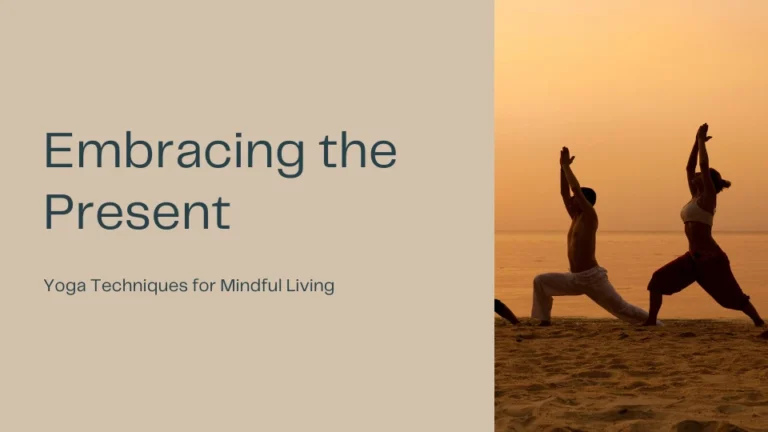
“Yoga techniques for mindfulness are more than just exercises; they are invitations to live more fully in the present moment.…
Read Article →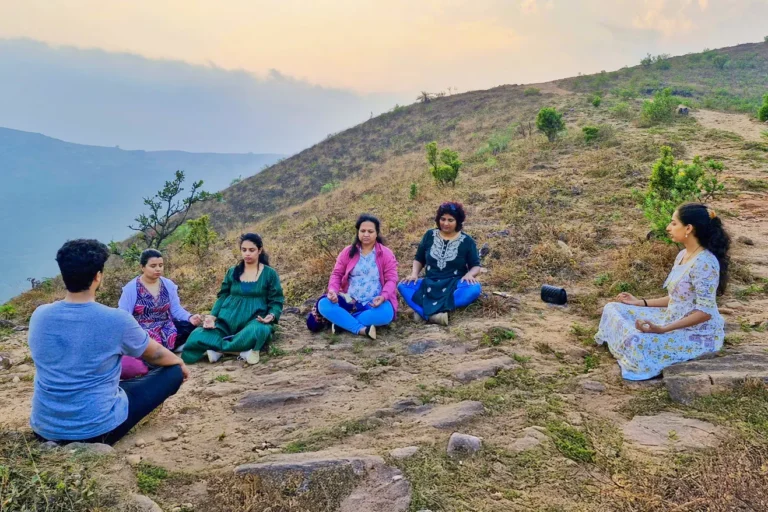
Can a 3-day, 2-night Yoga retreat truly transform a person's life? And if not, would it at least inspire them…
Read Article →Please login with social account to support this post.