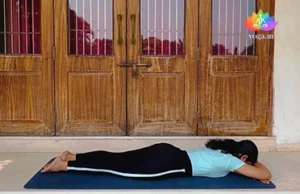
Makarasana (Crocodile Pose)
The Sanskrit name is derived from Makara (मकरा) meaning crocodile and asana (आसन) meaning posture or…
Explore →
Yoga poses for upper back ease tension and build the strength and mobility that support good posture.
Browse All Poses
The Sanskrit name is derived from Makara (मकरा) meaning crocodile and asana (आसन) meaning posture or…
Explore →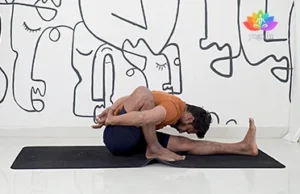
The Sanskrit name is derived from Marichya (मरीच्) meaning ray of light and asana (आसन) meaning…
Explore →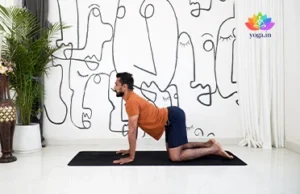
मार्जारासन
The Sanskrit name is derived from Marjari (मार्जरि) meaning cat and asana (आसन) meaning posture or…
Explore →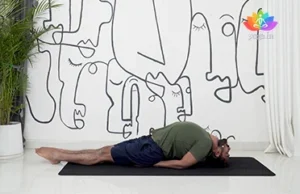
The Sanskrit name is derived from Matsya (मत्स्या) meaning fish and asana (आसन) meaning posture or…
Explore →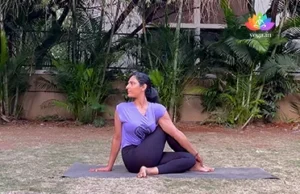
The name Matsyendrasana is derived from the Sanskrit words Matsya (मत्स्य) meaning fish, Indra (इन्द्र) meaning…
Explore →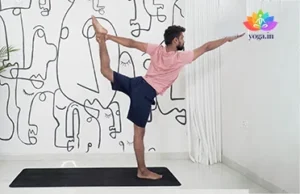
The Sanskrit name is derived from Nata (नट) meaning dance, Raja (राजा)) means king and asana…
Explore →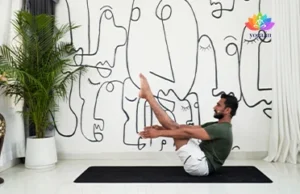
The Sanskrit name is derived from Nava ( नाव) meaning boat and asana (आसन) meaning posture…
Explore →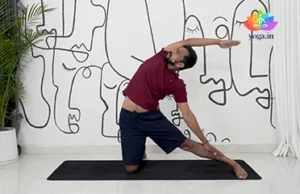
The Sanskrit name is derived from Parigha (परिघा) meaning gate and asana (आसन) meaning posture or…
Explore →Yoga poses for upper back release tension and strengthen the muscles that support the thoracic spine, countering the rounded posture of desk work. This page groups beginner-to-advanced poses that build upper back strength, posture, and the rotational mobility many sequences overlook.
Understanding the Category
Yoga poses for upper back work through three functions.
Most sequences emphasize strength alone, but lasting upper back health depends on release and rotation work as well.
Why Practice
Suitability
Contraindications
Safety Note: Always consult a qualified yoga teacher and your healthcare provider before practising if you have existing medical conditions, injuries, or are pregnant.
By Level
By Level
By Level
Anatomy
Practice Tips
Common Questions
Yoga poses for upper back are asanas that release tension and strengthen the muscles that support the thoracic spine, ranging from gentle poses like Child's Pose to strengthening poses like Locust Pose and deep backbends like Camel Pose.
Many people use gentle release and strengthening poses to help manage upper back tension from prolonged sitting, but yoga is not a substitute for medical diagnosis or treatment for persistent pain.
Most upper back poses are held for 15 to 45 seconds, or 5 to 8 breaths, moving slowly and building depth gradually.
Yes. Child's Pose, Cat-Cow, and Cobra Pose build foundational upper back mobility and strength safely. Beginners should approach deeper backbends like Camel Pose gradually.
Yes. Poses like Cobra Pose, Locust Pose, and Eagle Pose arms directly counter the rounded, forward-leaning posture common with desk and phone use.
Child's Pose and Cat-Cow Pose are two of the most accessible poses for upper back tension, both gently releasing and mobilizing the thoracic spine.
Keep Exploring
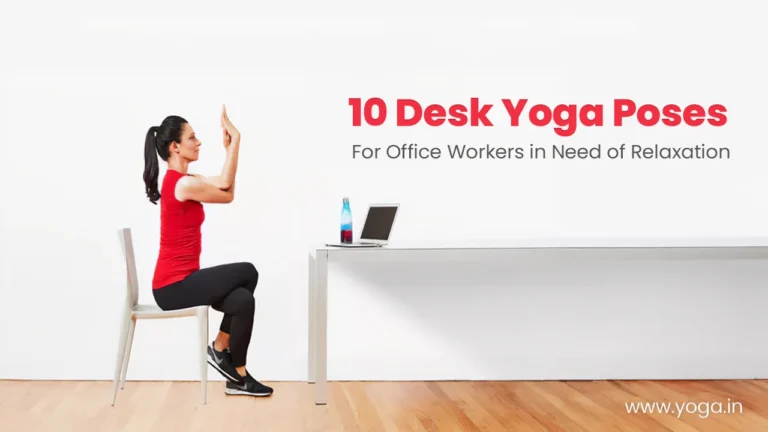
In today's fast-paced work environment, many office workers find themselves glued to their desks for hours on end. Prolonged sitting…
Read Article →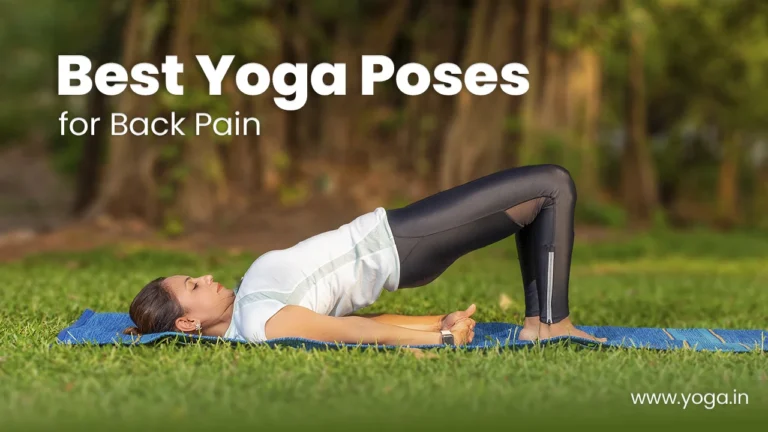
Back pain is a common ailment that affects millions of people worldwide. Whether caused by poor posture, muscle strain, or…
Read Article →
BY KRISHNA PRAKASH Today there are innumerable styles of Yoga and an equally impressive array of studios and great teachers.…
Read Article →
by Chétana Jessica Torrens with insight from Yogrishi Vishvketu Recently, there have been discussions and writings suggesting that Yoga postures,…
Read Article →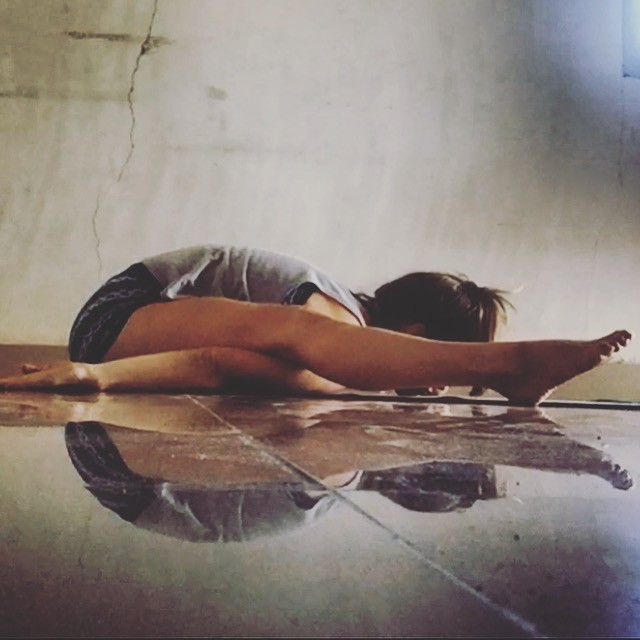
The author during her Asana practise. Photo Credit: Elizabeth Cheek BY ELIZABETH CHEEK I started practising Yoga about 3 years…
Read Article →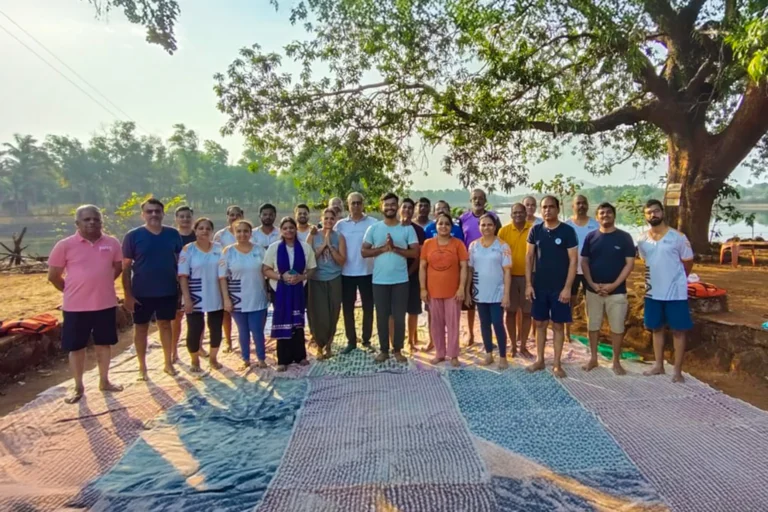
Teaching yoga offers more than just sharing poses and breathing techniques. Over time, I've seen students grow in ways I…
Read Article →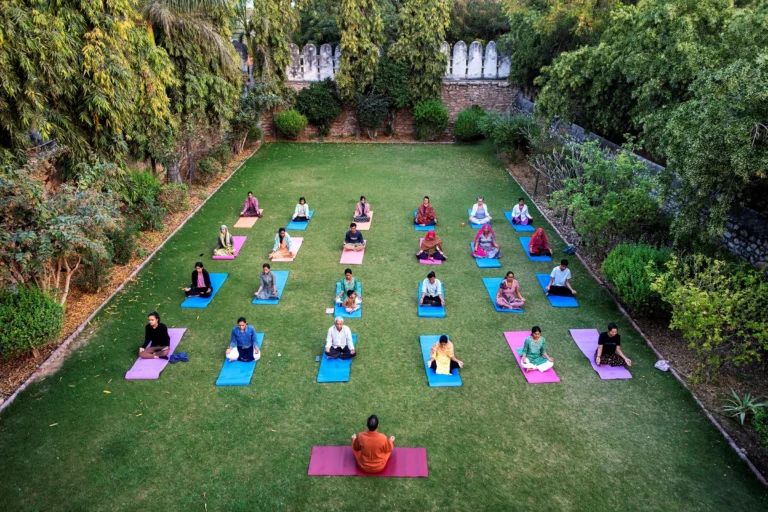
In the heart of Rajasthan’s Thar Desert, lies Shri Jasnath Asan—a sanctuary of wisdom, devotion, and quiet revolution. I came…
Read Article →Please login with social account to support this post.