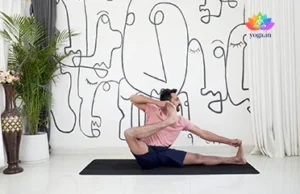
Akarna Dhanurasana (Archer Pose)
The Sanskrit name is derived from Akarna (अकर्णा ) meaning towards the ear, Dhanura (धनुर) meaning…
Explore →
Yoga poses for chest open tight pectorals and build pressing strength for better posture and breathing.
Browse All Poses
The Sanskrit name is derived from Akarna (अकर्णा ) meaning towards the ear, Dhanura (धनुर) meaning…
Explore →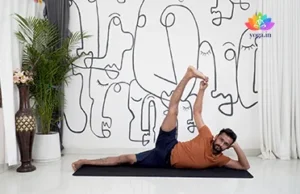
The Sanskrit name is derived from Ananta (अनन्त) meaning without end or the infinite one and…
Explore →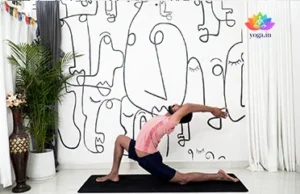
The Sanskrit name is derived from Anjane (आंजने) meaning Hanuman, the son of Anjani and asana…
Explore →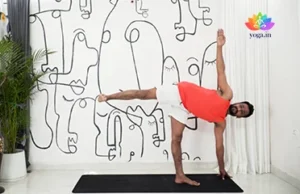
The Sanskrit name is derived from Ardha (अर्ध) meaning half, Chandra (चन्द्र) meaning moon and asana…
Explore →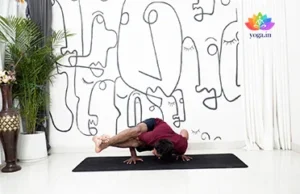
The sanskrit name is derived from ashta (अष्ट) meaning eight, Vakra (वक्र) meaning curved or bent…
Explore →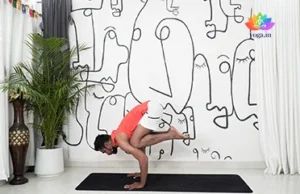
The Sanskrit name is derived from Baka (बक) meaning crane or Kaka (काक) meaning crow and…
Explore →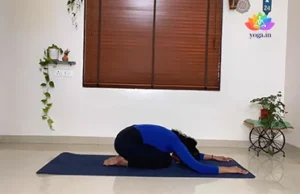
The Sanskrit name is derived from Bala (बाला) meaning child and āsana (आसन) meaning posture or…
Explore →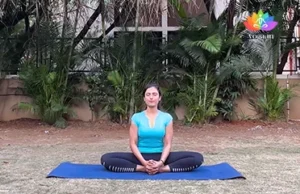
The Sanskrit name is derived from Bhadra (भद्रा) meaning gracious, auspicious or blessed and āsana (आसन)…
Explore →Yoga poses for chest stretch and strengthen the pectorals, shoulders, and upper back, countering the rounded posture of desk work. This page groups beginner-to-advanced poses that build chest flexibility through gentle backbends and pressing strength through poses like Plank and Chaturanga.
Understanding the Category
Yoga poses for chest work through two directions and one combined function.
In a sequence, chest-opening poses typically follow a warm-up, while deep backbends are practiced once the spine and shoulders are fully prepared.
Why Practice
Suitability
Contraindications
Safety Note: Always consult a qualified yoga teacher and your healthcare provider before practising if you have existing medical conditions, injuries, or are pregnant.
By Level
By Level
By Level
Anatomy
Practice Tips
Common Questions
Yoga poses for chest are asanas that stretch and strengthen the pectorals, shoulders, and upper back through backbends and pressing poses, ranging from Cobra Pose for beginners to Wheel Pose for advanced practitioners.
Yes. Poses like Cobra, Bridge, and Camel Pose directly counter the rounded, forward-leaning posture common with desk and phone use by stretching the chest and strengthening the upper back.
Most chest-opening poses are held for 15 to 45 seconds, or 5 to 8 breaths, building depth gradually as the chest and shoulders open.
Yes. Gentle poses like Cobra Pose, Bridge Pose, and Cat-Cow build foundational chest flexibility safely. Beginners should avoid forcing deep backbends like Wheel Pose without preparation.
Yes. Opening the chest allows the lungs and ribcage to expand more fully, which can support slower, deeper, more efficient breathing during and after practice.
Cobra Pose and Bridge Pose are two of the most accessible and effective poses for a tight chest, both gently stretching the pectorals through a supported backbend.
Keep Exploring
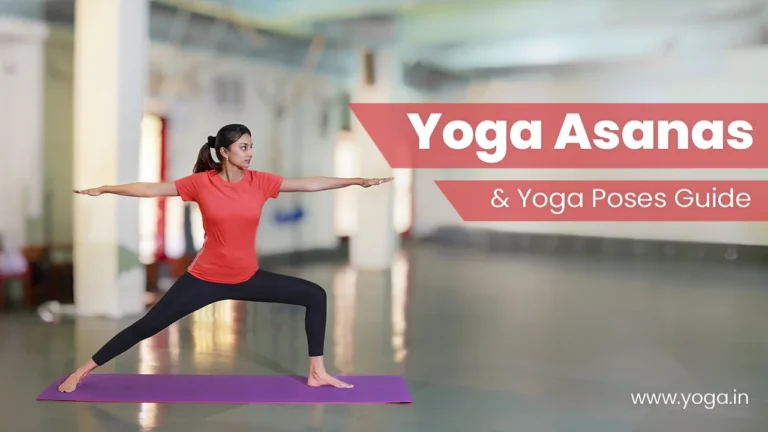
Yoga, an ancient tradition born in India, has grown into a worldwide phenomenon beyond physical fitness. It is a pathway…
Read Article →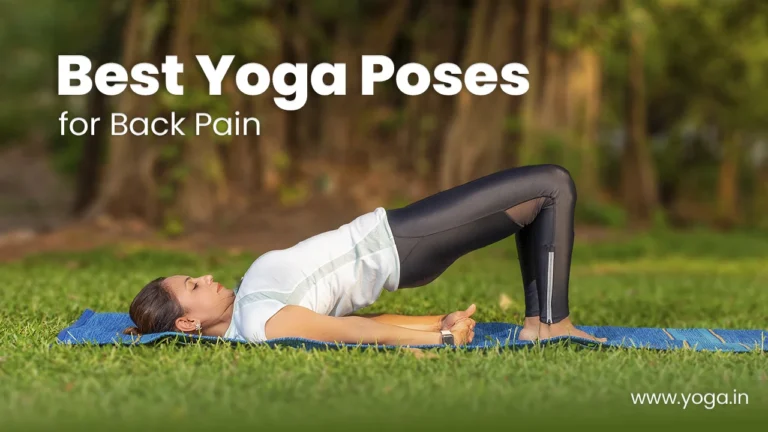
Back pain is a common ailment that affects millions of people worldwide. Whether caused by poor posture, muscle strain, or…
Read Article →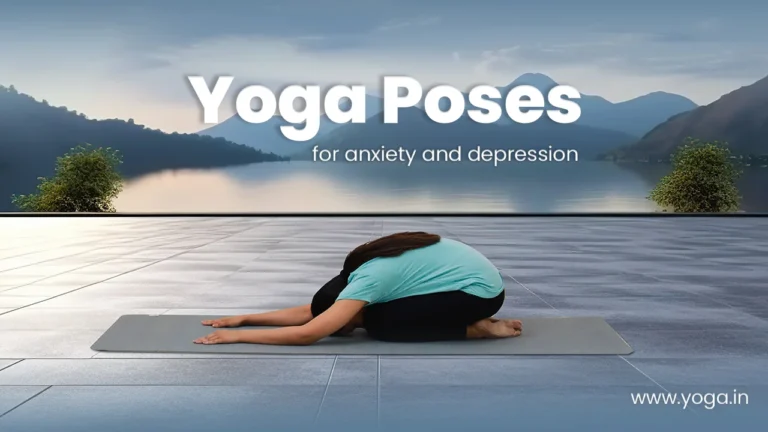
In today's fast-paced world, anxiety and depression have become common diseases, impacting millions of people globally. While modern medicine offers…
Read Article →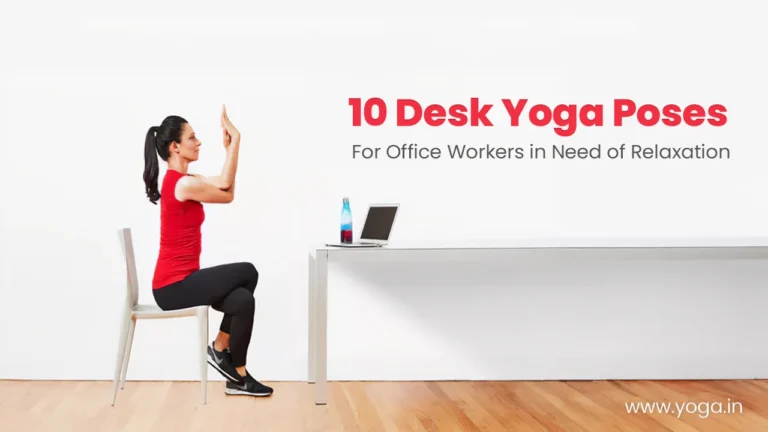
In today's fast-paced work environment, many office workers find themselves glued to their desks for hours on end. Prolonged sitting…
Read Article →By Jane Mason Jane lives and works in India and is part of the yoga.in team. She is trained in…
Read Article →“YOGA” is an ancient Sanskrit word which, in only two syllables, encompasses the entire body of spiritual experiences and experiments…
Read Article →By Inna Costantini Breathing is a fundamental survival mechanism that over time has revealed to have connections with the mind,…
Read Article →Please login with social account to support this post.