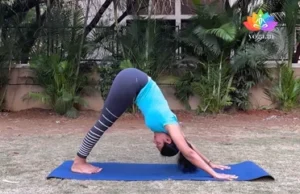
Adho Mukha Svanasana (Downward-Facing Dog Pose)
The sanskrit name is derived from adhas (अधस्) meaning down, mukha (मुख) meaning face, śvāna (श्वान) meaning dog and āsana…
Explore →
Yoga poses for uterine malposition are gentle moves that ease pelvic tension, alongside medical advice.
Browse All Poses
The sanskrit name is derived from adhas (अधस्) meaning down, mukha (मुख) meaning face, śvāna (श्वान) meaning dog and āsana…
Explore →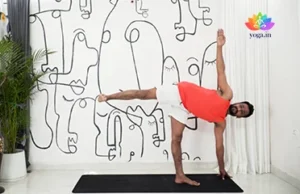
The Sanskrit name is derived from Ardha (अर्ध) meaning half, Chandra (चन्द्र) meaning moon and asana…
Explore →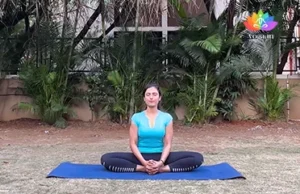
The Sanskrit name is derived from Bhadra (भद्रा) meaning gracious, auspicious or blessed and āsana (आसन)…
Explore →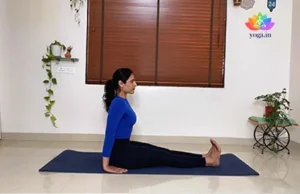
The Sanskrit name is derived from Danda (दण्डा) meaning stick and āsana (आसन) meaning posture or…
Explore →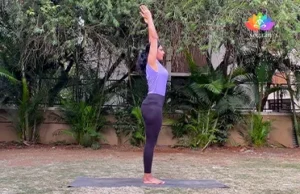
The sanskrit name is derived from hasta (हस्त) means hands, pada (पदा) means foot and asana…
Explore →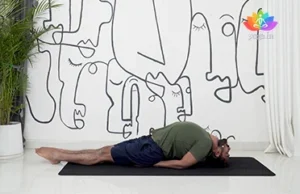
The Sanskrit name is derived from Matsya (मत्स्या) meaning fish and asana (आसन) meaning posture or…
Explore →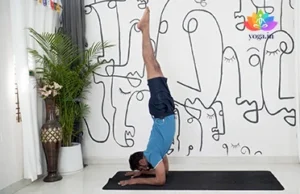
Pincha Mayurasana (पिञ्छ मयूरासन)
The Sanskrit name is derived from Pincha (पिंच) meaning feathered, Mayur (मयूर) meaning peacock and asana…
Explore →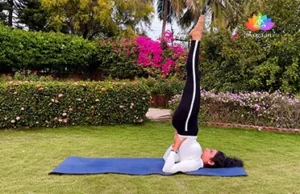
The Sanskrit name is derived from Sarva (सर्वाङ्ग) meaning all, Anga meaning body part and āsana…
Explore →Yoga poses for uterine malposition are gentle postures that ease pelvic tension and support posture. They do not move or treat the uterus. This page lists safe poses by level and explains when to see a GP.
Understanding the Category
Uterine malposition means the womb sits tilted or has slipped from its usual place, as in prolapse. Many people have no symptoms. Yoga cannot move or treat the uterus. Gentle poses may ease pelvic tension and improve posture.
These poses fall into three groups:
Avoid straining down. Keep every move slow and pressure free.
Why Practice
Suitability
Contraindications
Safety Note: Always consult a qualified yoga teacher and your healthcare provider before practising if you have existing medical conditions, injuries, or are pregnant.
By Level
By Level
By Level
Anatomy
Practice Tips
Common Questions
It means the uterus sits tilted, or has slipped down, as in prolapse. Causes include childbirth, ageing and straining. Many people have no symptoms.
No. Yoga cannot move or repair the uterus. Gentle poses may ease pelvic tension and improve posture. Use them alongside medical advice.
Savasana, Sukhasana, Balasana, Bhadrasana and Setubandhasana keep pressure low. Move slowly and breathe out gently without bearing down.
Avoid inversions such as Headstand and Shoulderstand, deep squats, heavy lifting and straining down. They can raise pressure on the pelvic floor. Skip forceful breathing too.
The NHS advises regular pelvic floor exercises for prolapse. A GP or women's health physio can teach them. Yoga does not replace that training.
See a GP for a lump in or around the vagina, heaviness, urine leaks, bowel trouble or painful sex. Seek urgent care for heavy bleeding or severe pelvic pain.
Keep Exploring
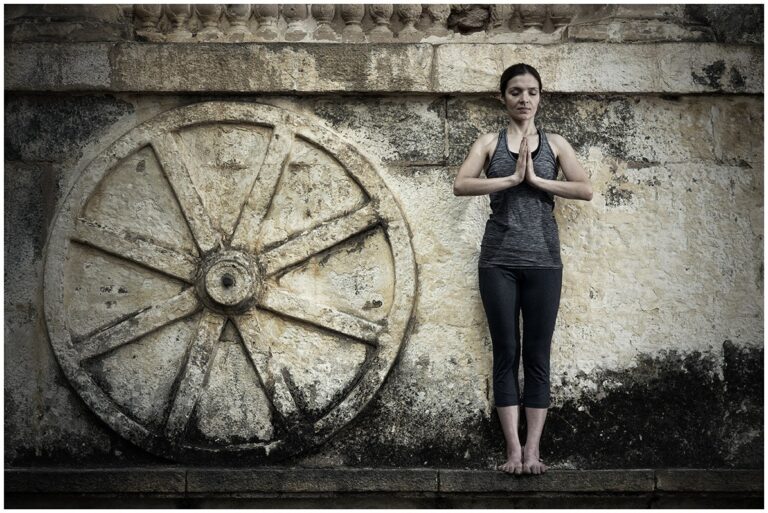
by Krishna Prakash Antar Mouna is a clear set of six stages to allow us to enter deep meditation and…
Read Article →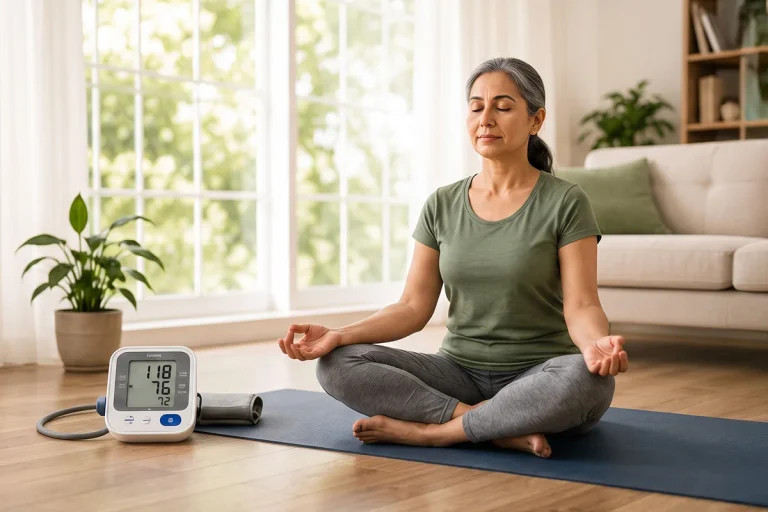
High blood pressure (hypertension) is often called a “silent condition” because it can develop gradually without obvious symptoms. Over time,…
Read Article →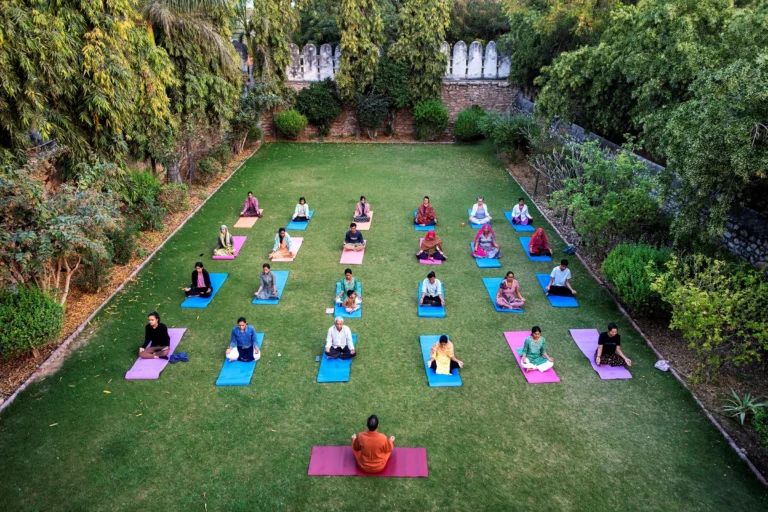
In the heart of Rajasthan’s Thar Desert, lies Shri Jasnath Asan—a sanctuary of wisdom, devotion, and quiet revolution. I came…
Read Article →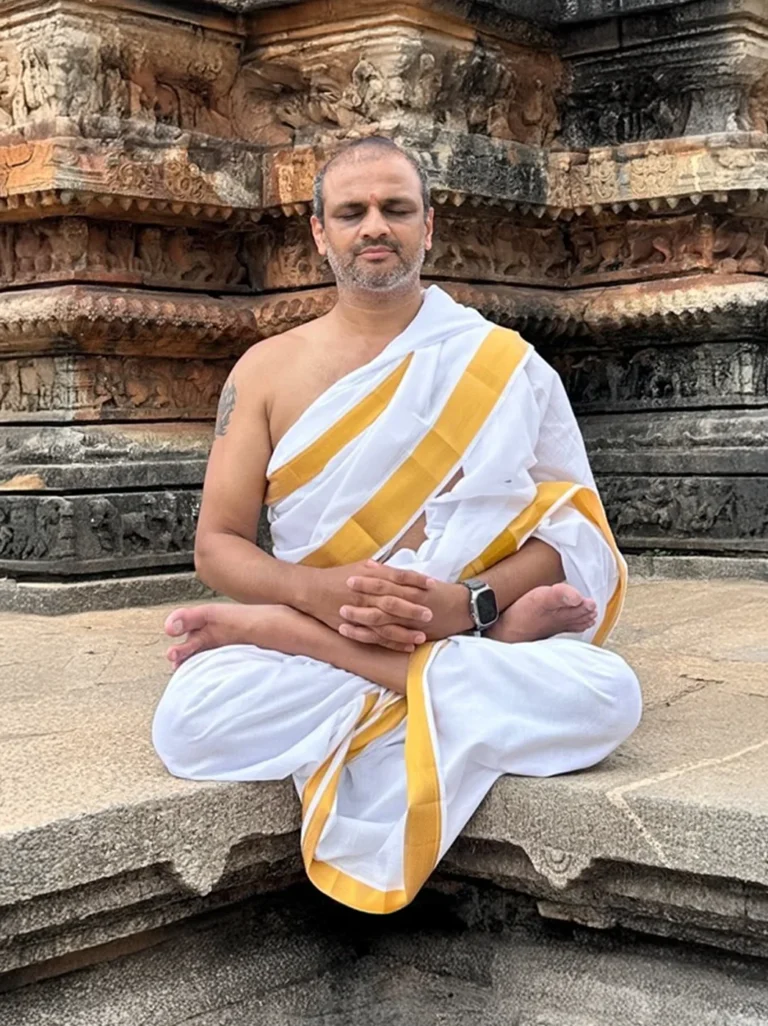
An Inspiring Journey of Dedication, Tradition, and Global Influence In the vast realm of yoga, a few names resonate as…
Read Article →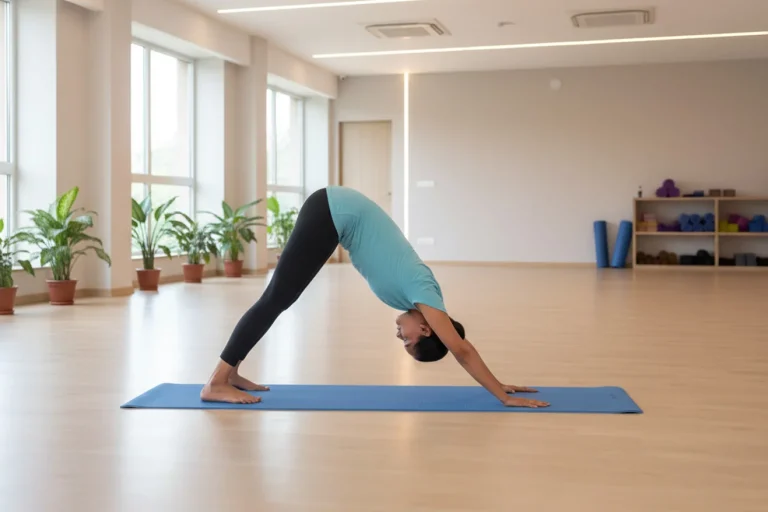
Quick Summary Envision your stomach behaving like a cranky toddler—cramps, bloating, diarrhoea, and constipation at the most inconvenient moments. For…
Read Article →Please login with social account to support this post.