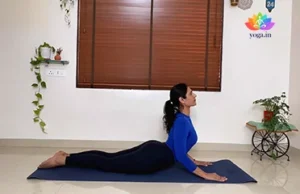
भुजङ्गासन
Bhujangasana (Cobra Pose)
The Sanskrit name is derived from Bhujanga (भुजंगा) meaning cobra or snake and āsana (आसन) meaning…
Explore →
Yoga poses for tailbone pain are gentle moves that ease hip and back tension without pressing on the coccyx.
Browse All Poses
भुजङ्गासन
The Sanskrit name is derived from Bhujanga (भुजंगा) meaning cobra or snake and āsana (आसन) meaning…
Explore →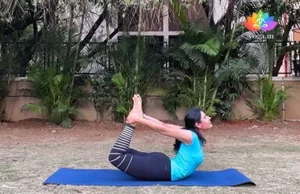
धनुरासन
Dhanurasana — Bow Pose — is a foundational prone backbend in which the practitioner lies face-down,…
Explore →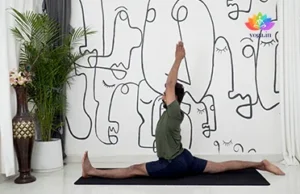
The Sanskrit name is derived from the Hindu God -Hanuman (हनुमान) (monkey-god) and asana (आसन) meaning…
Explore →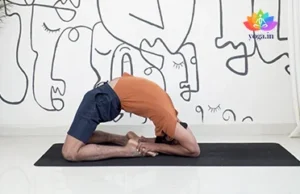
Kapotasana (कपोतासन)
The Sanskrit name is derived from Kapota (कपोटा) meaning pigeon or dove and asana (आसन) meaning…
Explore →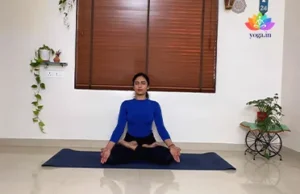
The Sanskrit name is derived from Padma (पद्मा) meaning lotus and āsana (आसन) meaning "posture" or…
Explore →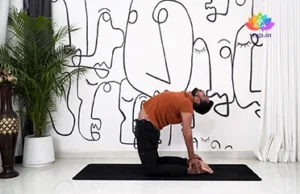
The Sanskrit name is derived from Ushtra (उष्ट्रासनI) meaning camel and Asana (आसन) meaning a pose.
Explore →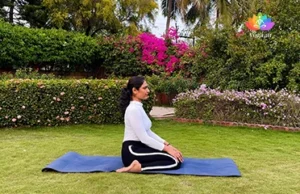
वीरासन
This page explains virasana, the Hero Pose, for learners searching how to practise this kneeling seat…
Explore →Yoga poses for tailbone pain are gentle postures that ease hip and back tension without pressing on the coccyx. They do not cure coccydynia. This page lists safe poses by level and explains when to see a GP.
Understanding the Category
Tailbone pain, or coccydynia, is pain at the base of the spine. It is often worse when sitting. Falls, childbirth and strain are common causes. Yoga does not cure it. Gentle poses may ease nearby hip and back tension.
These poses fall into three groups:
Skip hard seats. Use cushions, and avoid jarring moves and deep twists.
Why Practice
Suitability
Contraindications
Safety Note: Always consult a qualified yoga teacher and your healthcare provider before practising if you have existing medical conditions, injuries, or are pregnant.
By Level
By Level
By Level
Anatomy
Practice Tips
Common Questions
Common causes include falls, childbirth, repeated strain and poor posture. Sometimes no clear cause is found. A GP can look for serious causes if the pain does not settle.
No. Yoga does not cure coccydynia. Gentle poses may ease hip and back tension and reduce stress. Use them alongside medical advice.
Balasana, Marjariasana, Supta Padangusthasana and Setubandhasana keep weight off the tailbone. Move slowly and use cushions.
Sitting on a hard floor can press on the coccyx. Use a cushion or choose kneeling and lying poses instead. Stop if pain rises.
Use a coccyx cushion, lean slightly forward and take sitting breaks. Heat or cold packs may help too. Ask a pharmacist about pain relief.
See a GP if pain has not improved after a few weeks or is very severe. Go sooner after a fall, or for bleeding, fever or pain away from the tailbone.
Keep Exploring
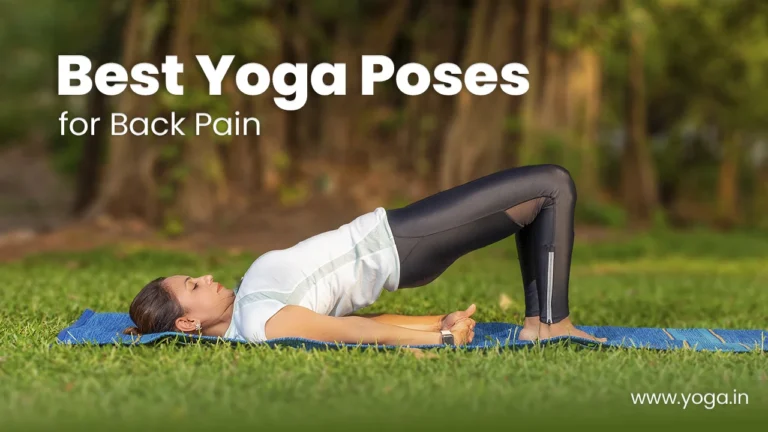
Back pain is a common ailment that affects millions of people worldwide. Whether caused by poor posture, muscle strain, or…
Read Article →
Have you ever noticed how it’s becoming harder to truly relax, even when nothing is immediately wrong? Weekends don’t feel fully restful, time off comes with…
Read Article →
By Laura Lynch As per Ayurveda, all foods have their own taste (rasa), heating or cooling energy (virya) and post-digestive…
Read Article →
If you have been on the mat for a while, you know the feeling: the burn in Warrior II, the frustrating mental chatter during Savasana,…
Read Article →
The Practice of Ahimsa - Ahimsa is ‘nonviolence’; the first and the foremost of the five Yama (Social codes of conduct) in the yoga sutras of Patanjali. Find out more on how you can incorporate Ahimsa in your Yoga practice.
Read Article →Please login with social account to support this post.