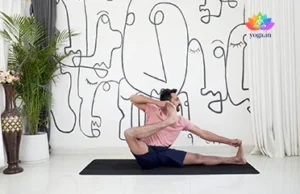
Akarna Dhanurasana (Archer Pose)
The Sanskrit name is derived from Akarna (अकर्णा ) meaning towards the ear, Dhanura (धनुर) meaning…
Explore →
Gentle yoga poses that ease pelvic tension and support the lower belly, alongside your doctor's advice.
Browse All Poses
The Sanskrit name is derived from Akarna (अकर्णा ) meaning towards the ear, Dhanura (धनुर) meaning…
Explore →
The Sanskrit name is derived from Ananta (अनन्त) meaning without end or the infinite one and…
Explore →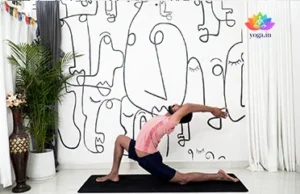
The Sanskrit name is derived from Anjane (आंजने) meaning Hanuman, the son of Anjani and asana…
Explore →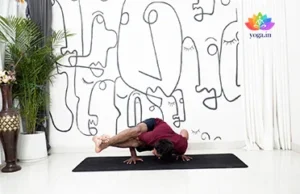
The sanskrit name is derived from ashta (अष्ट) meaning eight, Vakra (वक्र) meaning curved or bent…
Explore →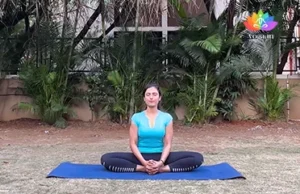
The Sanskrit name is derived from Bhadra (भद्रा) meaning gracious, auspicious or blessed and āsana (आसन)…
Explore →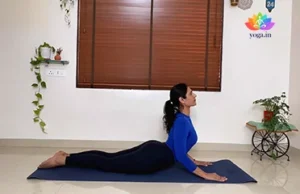
भुजङ्गासन
The Sanskrit name is derived from Bhujanga (भुजंगा) meaning cobra or snake and āsana (आसन) meaning…
Explore →
The sanskrit name is derived from hasta (हस्त) means hands, pada (पदा) means foot and asana…
Explore →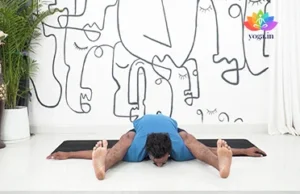
The Sanskrit name is derived from Kurma (कूर्मा) meaning tortoise and asana (आसन) meaning posture or…
Explore →Yoga poses for ovarian discomfort are gentle moves that ease pelvic and lower belly tension. They do not treat ovarian conditions. This page lists safe poses by level, practice tips and warning signs. It does not replace medical care.
Understanding the Category
Ovarian discomfort means a dull ache or pressure in the lower belly or pelvis. It has many causes, so a doctor should check it. These poses open the hips, relax the pelvic muscles and calm the body. They do not treat ovarian conditions.
Why Practice
Suitability
Contraindications
Safety Note: Always consult a qualified yoga teacher and your healthcare provider before practising if you have existing medical conditions, injuries, or are pregnant.
By Level
By Level
By Level
Anatomy
Practice Tips
Common Questions
No. Yoga cannot treat ovarian cysts or other conditions. Gentle poses may ease pelvic tension and help you relax. A doctor should check any ongoing pelvic pain.
Gentle, supported yoga is often fine for mild ache, but ask your doctor first. Avoid deep twists and strong belly pressure. Stop if the pain grows.
Baddha Konasana, Supta Baddha Konasana, Viparita Karani and Marjariasana are gentle and open the hips without strain. Add Setubandhasana and Upavistha Konasana when you feel comfortable.
Avoid deep twists, strong belly squeezing, inversions and hot yoga. Skip deep backbends and forced stretches. Stop at once if pelvic pain grows.
Practice 10 to 20 minutes, most days. Short, gentle sessions work best. Rest often and keep the breath slow.
Get urgent help for sudden, severe belly pain, fever, vomiting or fainting. See a doctor for heavy bleeding or pain that lasts several days. Yoga does not replace care.
Keep Exploring
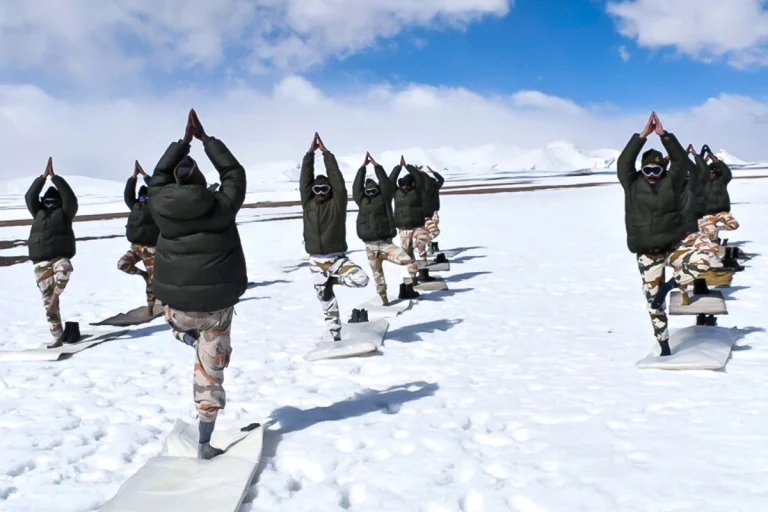
There was significant improvement in the healing of injuries once we adopted Yoga as a way of life in the…
Read Article →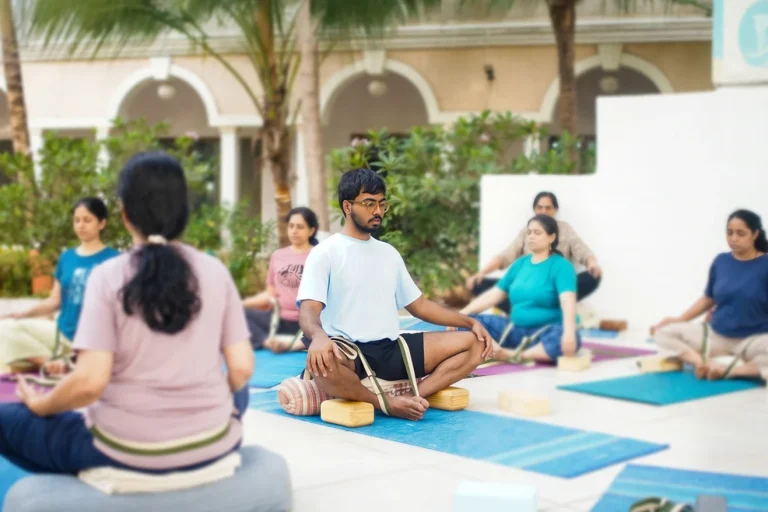
I recently had the opportunity to attend a deeply transformative yoga & therapy workshop, ‘Sattva Reset,’ organised by Dr Heema…
Read Article →
Peace: I searched for it everywhere — in places that, over time, brought more harm than the momentary comfort they…
Read Article →
The Practice of Ahimsa - Ahimsa is ‘nonviolence’; the first and the foremost of the five Yama (Social codes of conduct) in the yoga sutras of Patanjali. Find out more on how you can incorporate Ahimsa in your Yoga practice.
Read Article →Please login with social account to support this post.