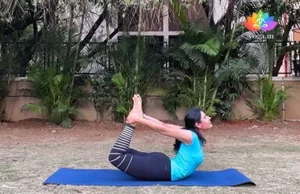
धनुरासन
Dhanurasana (Bow Pose)
Dhanurasana — Bow Pose — is a foundational prone backbend in which the practitioner lies face-down,…
Explore →
Gentle yoga poses that ease lumbar tension and build spine support, alongside your doctor's advice.
Browse All Poses
धनुरासन
Dhanurasana — Bow Pose — is a foundational prone backbend in which the practitioner lies face-down,…
Explore →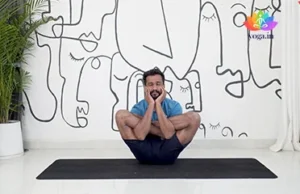
The Sanskrit name is derived from the word Garbha (गर्भ) meaning an embryo in the womb…
Explore →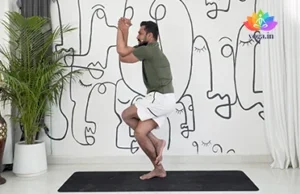
The Sanskrit name is derived from Garuda (गरुडा) meaning eagle and asana (आसन) meaning posture or…
Explore →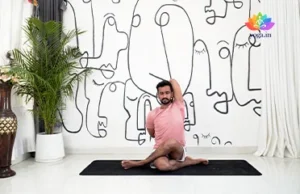
The Sanskrit name is derived from Gau (गो) meaning cow, Mukh meaning face and asana (आसन)…
Explore →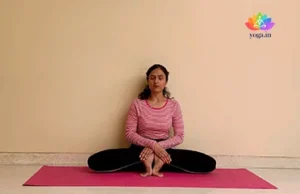
The Sanskrit name is derived from the word Goraksha (गोरक्षा) meaning a cowherd and asana (आसन)…
Explore →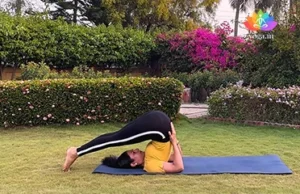
The Sanskrit name is derived from Hala (हला) meaning plough and asana (आसन) meaning posture or…
Explore →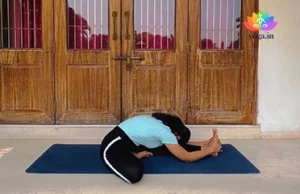
The Sanskrit name is derived from (जानु) Janu means knee, Sirsa (शीर्षा) means head and asana…
Explore →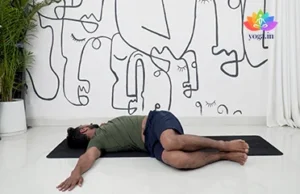
The Sanskrit name is derived from Jathara (ञठर) meaning belly or abdomen, Parivarta (परिवर्त) meaning revolving…
Explore →Yoga poses for lumbar pain are gentle moves that ease tension in the lower spine. They build core, hip and back support. This page lists safe poses by level, practice tips and warning signs. It does not replace medical care.
Understanding the Category
The lumbar spine is the five vertebrae of the lower back. It carries most of your body weight. These poses lengthen tight muscles and strengthen the ones that support this area. They do not treat a serious spine injury.
Why Practice
Suitability
Contraindications
Safety Note: Always consult a qualified yoga teacher and your healthcare provider before practising if you have existing medical conditions, injuries, or are pregnant.
By Level
By Level
By Level
Anatomy
Practice Tips
Common Questions
Yes, gentle yoga can help most mild lumbar pain. It eases tension and builds core and hip support. Stay within pain free limits and check with your doctor first.
Lumbar pain is pain in the lower back, where the spine curves inward above the hips. Common causes include muscle strain, long sitting and weak core muscles. See a doctor if it lasts.
Makarasana, Viparita Karani, Supta Padangusthasana and Setubandhasana are gentle and load the lumbar spine very little. Add Tadasana and Virabhadrasana II when you feel stable.
Avoid deep backbends, forced twists and deep forward folds with straight knees. They can strain the lumbar spine. Skip any pose that causes sharp pain.
Practice 10 to 20 minutes, most days. Short, gentle sessions work better than long ones. Add walking and avoid long periods of sitting.
Get urgent help for numbness around the bottom, bladder or bowel trouble, or loss of feeling in a leg. See a doctor if back pain lasts several weeks or follows an injury.
Keep Exploring
- By Jaishree Panwar For those of us who live in cities, nature often feels like a little escape we…
Read Article →
Best Time to Visit Rishikesh Rishikesh is an experience, not a mere tourist destination. With magnificent mountains of the Himalayas…
Read Article →
एषः सर्वेश्वरः। एषः सर्वज्ञः। एषः अन्तर्यामी। एषः सर्वस्य योनिः। हि भूतानां प्रभवाप्ययौ ॥ eṣaḥ sarveśvaraḥ| eṣaḥ sarvajñaḥ| eṣaḥ antaryāmī| eṣaḥ…
Read Article →
If you live in Mumbai, you already know the soundtrack to daily life: sharp horn blasts, crowded trains, bumper to…
Read Article →Please login with social account to support this post.