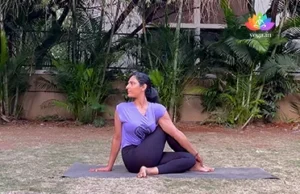
Matsyendrasana (Lord of the Fishes Pose)
The name Matsyendrasana is derived from the Sanskrit words Matsya (मत्स्य) meaning fish, Indra (इन्द्र) meaning…
Explore →
Gentle yoga poses that ease an aching lower back and build core support, alongside your doctor's advice.
Browse All Poses
The name Matsyendrasana is derived from the Sanskrit words Matsya (मत्स्य) meaning fish, Indra (इन्द्र) meaning…
Explore →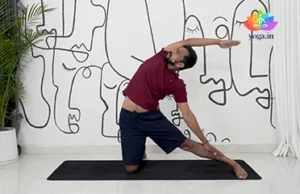
The Sanskrit name is derived from Parigha (परिघा) meaning gate and asana (आसन) meaning posture or…
Explore →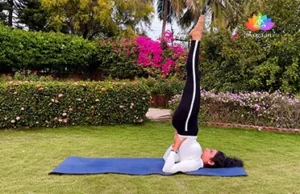
The Sanskrit name is derived from Sarva (सर्वाङ्ग) meaning all, Anga meaning body part and āsana…
Explore →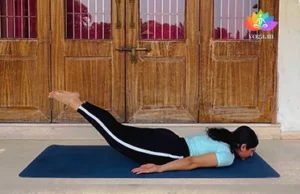
The Sanskrit name is derived from Shalabha (शलभा) meaning locust and āsana (आसन) meaning "posture" or…
Explore →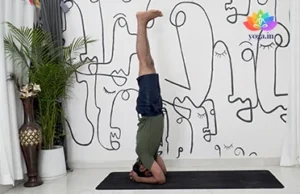
The Sanskrit name is derived from Sirsa (शीर्ष) meaning head and asana (आसन) meaning posture or…
Explore →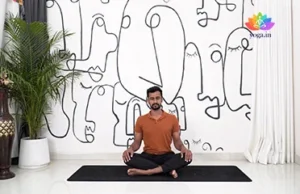
The Sanskrit name is derived from Sukh (सुख) means anand/ aaram and asana (आसन) meaning posture…
Explore →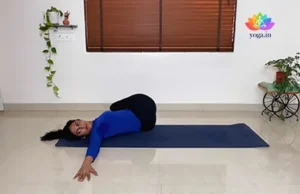
The Sanskrit name is derived from Supta (सुप्त) means supine, Matsya (मत्स्य) meaning fish, Indra (इन्द्र)…
Explore →Yoga poses for lower back pain are gentle moves that ease tension and support the lower spine. They build core and hip strength. This page lists safe poses by level, practice tips and warning signs. It does not replace medical care.
Understanding the Category
Lower back pain often comes from tight hips and hamstrings and weak core muscles. These poses lengthen tight muscles and strengthen the ones that support the spine. They do not treat a serious spine injury.
Why Practice
Suitability
Contraindications
Safety Note: Always consult a qualified yoga teacher and your healthcare provider before practising if you have existing medical conditions, injuries, or are pregnant.
By Level
By Level
By Level
Anatomy
Practice Tips
Common Questions
Yes, gentle yoga can help most mild lower back pain. It eases tension and builds core and hip strength. Stay within pain free limits and check with your doctor first.
Supta Padangusthasana, Viparita Karani, Marjariasana and Setubandhasana are gentle and load the back very little. Add Tadasana and Virabhadrasana II when you feel stable.
Avoid deep backbends, forced twists and deep forward folds with straight knees. They can strain the lower back. Skip any pose that causes sharp pain.
Hold each pose for 15 to 30 seconds. Keep your breath smooth. Rest between poses and stop if the pain grows.
Practice 10 to 20 minutes, most days. Short, gentle sessions work better than long ones. Add walking and avoid long periods of sitting.
Get urgent help for numbness around the bottom, bladder or bowel trouble, or loss of feeling in a leg. See a doctor if back pain lasts several weeks or follows an injury.
Keep Exploring
Dr. Ananda Balayogi Bhavanani incorporates two seemingly opposing worlds: During his childhood and early adult years, he lived an ashram…
Read Article →
“Through practice of the limbs of Yoga, whereby impurities are eliminated, there arises enlightenment.” - Yoga Sutras of Patanjali Yoga is more than just asana practice; it goes beyond the physical aspect of it. It…
Read Article →
“Yoga techniques for mindfulness are more than just exercises; they are invitations to live more fully in the present moment.…
Read Article →Please login with social account to support this post.