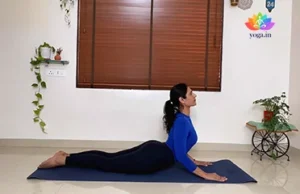
भुजङ्गासन
Bhujangasana (Cobra Pose)
The Sanskrit name is derived from Bhujanga (भुजंगा) meaning cobra or snake and āsana (आसन) meaning…
Explore →
Gentle, supported yoga poses that build strength and body awareness, alongside your doctor's and therapist's advice.
Browse All Poses
भुजङ्गासन
The Sanskrit name is derived from Bhujanga (भुजंगा) meaning cobra or snake and āsana (आसन) meaning…
Explore →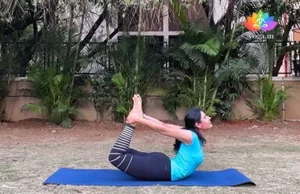
धनुरासन
Dhanurasana — Bow Pose — is a foundational prone backbend in which the practitioner lies face-down,…
Explore →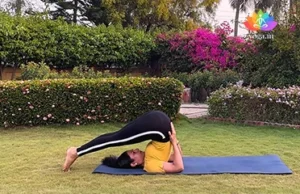
The Sanskrit name is derived from Hala (हला) meaning plough and asana (आसन) meaning posture or…
Explore →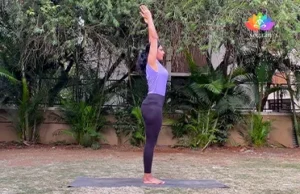
The sanskrit name is derived from hasta (हस्त) means hands, pada (पदा) means foot and asana…
Explore →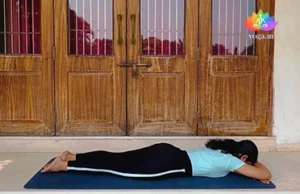
The Sanskrit name is derived from Makara (मकरा) meaning crocodile and asana (आसन) meaning posture or…
Explore →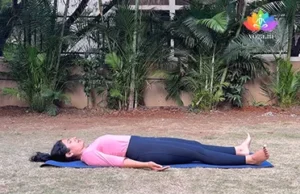
The Sanskrit name is derived from Śhava (शव) meaning "corpse" and āsana (आसन) meaning "posture" or…
Explore →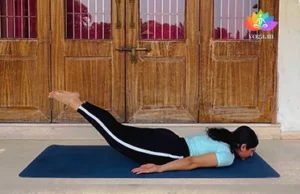
The Sanskrit name is derived from Shalabha (शलभा) meaning locust and āsana (आसन) meaning "posture" or…
Explore →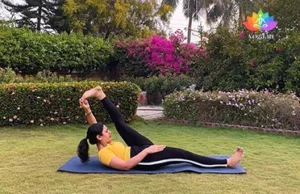
The Sanskrit name is derived from Supta (सुप्त) meaning 'supine or recline', 'pada' meaning foot', 'Angustha'meaning…
Explore →Yoga poses for loss of motor function are gentle, supported moves that build strength, control and body awareness. They work best with medical guidance. This page lists safe poses by level, practice tips and warning signs. It does not replace medical care or therapy.
Understanding the Category
Loss of motor function means weak or hard to control muscles, often after a stroke or nerve injury. These poses use support such as walls, chairs and straps. They train muscle control and ease stiffness. They do not restore lost nerve function.
Why Practice
Suitability
Contraindications
Safety Note: Always consult a qualified yoga teacher and your healthcare provider before practising if you have existing medical conditions, injuries, or are pregnant.
By Level
By Level
By Level
Anatomy
Practice Tips
Common Questions
Yoga cannot restore lost nerve function. It may build strength, control and body awareness in the muscles that still work. Use it alongside your doctor's care and therapy.
Gentle, supported yoga is often suitable, but ask your doctor and therapist first. Use a wall, chair or strap, and practise with a helper. Stop if weakness, dizziness or pain grows.
Savasana, Supta Baddha Konasana, Viparita Karani and Supta Padangusthasana with a strap are gentle starting points. Add Tadasana at a wall when you feel steady.
Avoid inversions, deep backbends, forced twists and any pose without support. Never force a weak limb into place. Skip any pose that causes pain or dizziness.
Practise 10 to 20 minutes, most days. Short, gentle sessions work better than long ones. Rest often and follow your therapist's plan.
Get emergency help for sudden weakness, face droop, slurred speech, sudden numbness or a severe headache. See a doctor if weakness grows or spreads. Yoga does not replace care.
Keep Exploring
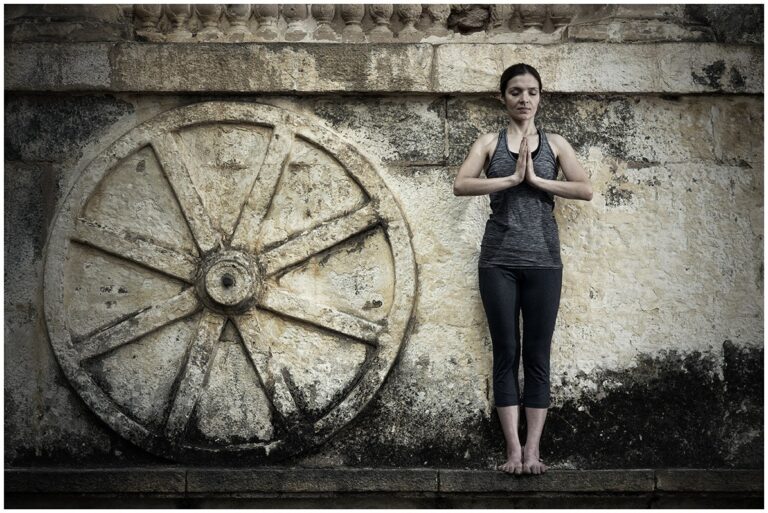
by Krishna Prakash Antar Mouna is a clear set of six stages to allow us to enter deep meditation and…
Read Article →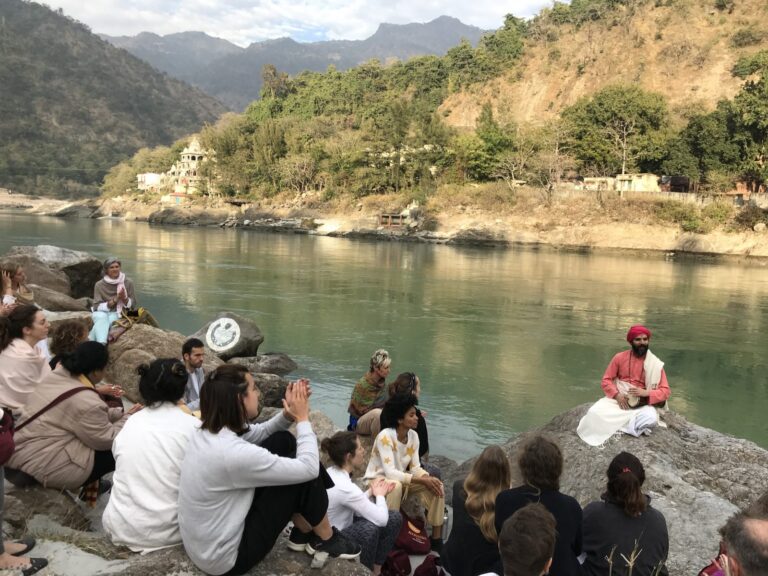
by Evguenia Alechine, PhD Akhanda Yoga is a holistic Yogic approach developed by Himalayan Master Yogrishi Vishvketu (also known as Vishva-ji).…
Read Article →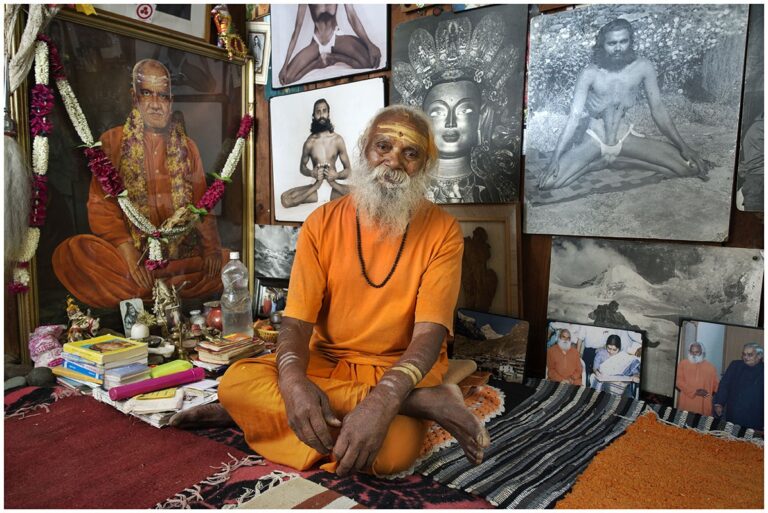
Swami Sundaranand is a man of many skills and deep knowledge. He is a Yogi, mountaineer, naturalist, climate activist and…
Read Article →Please login with social account to support this post.