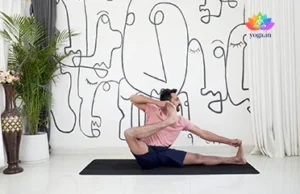
Akarna Dhanurasana (Archer Pose)
The Sanskrit name is derived from Akarna (अकर्णा ) meaning towards the ear, Dhanura (धनुर) meaning…
Explore →
Gentle yoga poses that calm the body and steady the breath, alongside your cardiologist's advice.
Browse All Poses
The Sanskrit name is derived from Akarna (अकर्णा ) meaning towards the ear, Dhanura (धनुर) meaning…
Explore →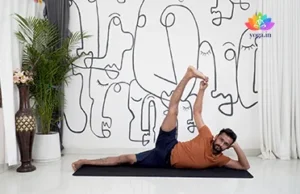
The Sanskrit name is derived from Ananta (अनन्त) meaning without end or the infinite one and…
Explore →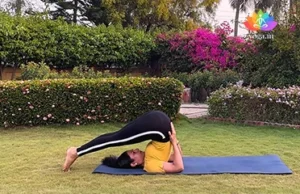
The Sanskrit name is derived from Hala (हला) meaning plough and asana (आसन) meaning posture or…
Explore →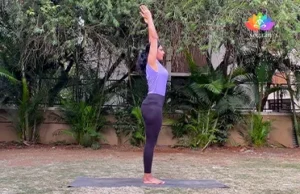
The sanskrit name is derived from hasta (हस्त) means hands, pada (पदा) means foot and asana…
Explore →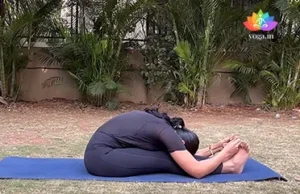
The Sanskrit name is derived from three sanskrit words: Paschima (पश्चिमा) meaning west or back of…
Explore →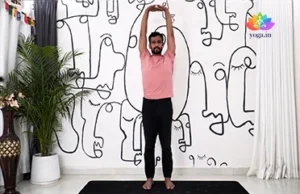
The sanskrit name is derived from tada (ताड़ा) meaning mountain and āsana (आसन) meaning posture or…
Explore →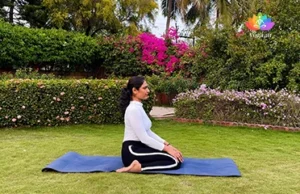
वीरासन
This page explains virasana, the Hero Pose, for learners searching how to practise this kneeling seat…
Explore →Yoga poses for irregular heartbeats are gentle moves that calm the body, slow the breath and ease stress. They do not treat heart rhythm problems. This page lists safe poses by level, practice tips and warning signs. It does not replace medical care.
Understanding the Category
An irregular heartbeat, or arrhythmia, means the heart beats too fast, too slow or unevenly. It can have many causes, so a doctor must check it first. These poses are slow and easy. They calm the nervous system and train steady breathing.Rest: Savasana and Supta Baddha Konasana calm the body and breath.Settle: Sukhasana and Vajrasana give a calm, steady seat.Open: Setubandhasana and Bhujangasana gently lift and open the chest.Sequence: start lying down. Keep every move slow and easy.
Why Practice
Suitability
Contraindications
By Level
By Level
By Level
Anatomy
Practice Tips
Common Questions
No. Yoga cannot treat heart rhythm problems or replace medicine. Gentle poses and slow breathing may ease stress, a common trigger. Always follow your cardiologist's plan.
Gentle yoga is often fine once your doctor has checked your heart, but ask first. Keep every move slow, avoid breath holds and stop if your heart races or feels odd.
Savasana, Supta Baddha Konasana, Sukhasana and Vajrasana calm the body and slow the breath. Add Tadasana and Bhujangasana when you feel steady.
Avoid inversions, breath holds, forceful breathing, hot yoga and fast sequences. Rise slowly from the floor. Stop at once if your heart races, you feel faint or have chest pain.
Practice 10 to 15 minutes, most days. Short, calm sessions work best. Add easy walking if your doctor agrees.
Get emergency help for chest pain, fainting, severe breathlessness or a racing heart that does not settle. See a doctor if palpitations are new or getting worse. Yoga does not replace care.
Please login with social account to support this post.