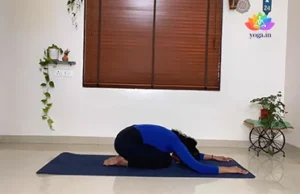
Balasana (Child’s Pose)
The Sanskrit name is derived from Bala (बाला) meaning child and āsana (आसन) meaning posture or…
Explore →
Yoga poses for excessive gas are gentle moves that ease bloating and belly tension, alongside healthy habits.
Browse All Poses
The Sanskrit name is derived from Bala (बाला) meaning child and āsana (आसन) meaning posture or…
Explore →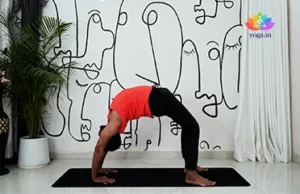
The Sanskrit name is derived from Chakra (चक्रा) means wheel and asana (आसन) meaning posture or…
Explore →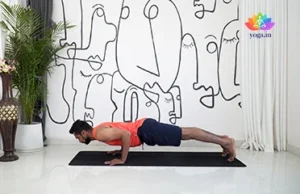
The Sanskrit name is derived from Chatur (चतुर) meaning four, Anga (अङ्ग) meaning limb, Danda (दण्डा)…
Explore →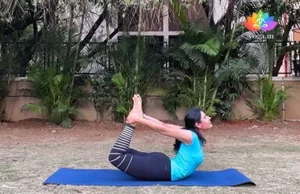
धनुरासन
Dhanurasana — Bow Pose — is a foundational prone backbend in which the practitioner lies face-down,…
Explore →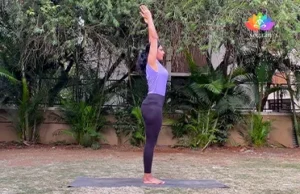
The sanskrit name is derived from hasta (हस्त) means hands, pada (पदा) means foot and asana…
Explore →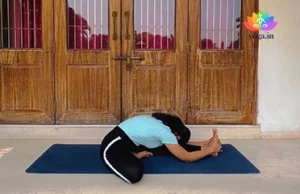
The Sanskrit name is derived from (जानु) Janu means knee, Sirsa (शीर्षा) means head and asana…
Explore →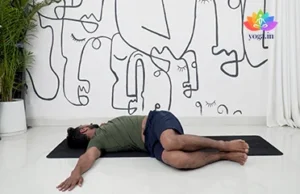
The Sanskrit name is derived from Jathara (ञठर) meaning belly or abdomen, Parivarta (परिवर्त) meaning revolving…
Explore →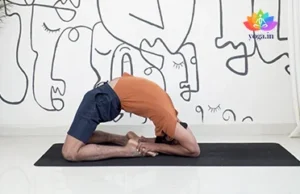
Kapotasana (कपोतासन)
The Sanskrit name is derived from Kapota (कपोटा) meaning pigeon or dove and asana (आसन) meaning…
Explore →Yoga poses for excessive gas are gentle postures that ease bloating and belly tension. They do not treat the cause of gas. This page lists safe poses by level and explains when to see a GP.
Understanding the Category
Excessive gas builds up when you swallow air or when gut bacteria break down food. It can cause bloating, cramps and burping. Yoga cannot remove the cause. Gentle poses and slow breathing may help the belly relax and let trapped wind pass.
These poses fall into three groups:
Practice on an empty stomach. Start seated, then lie down. Twist last.
Why Practice
Suitability
Contraindications
Safety Note: Always consult a qualified yoga teacher and your healthcare provider before practising if you have existing medical conditions, injuries, or are pregnant.
By Level
By Level
By Level
Anatomy
Practice Tips
Common Questions
Not by itself. Gas comes from swallowed air, certain foods and some health conditions. Gentle poses may ease bloating and help trapped wind pass. Diet, eating habits and medical advice matter too.
Malasana, Supta Matsyendrasana, Marjariasana and Vajrasana move the belly gently and are easy to learn. Keep every pose slow and comfortable. Skip any pose that causes pain.
Gentle twists and folds may help wind move through the gut. The evidence is mostly traditional and limited. Twist slowly, keep the belly soft and stop if you feel pain.
Practice on an empty stomach or about two hours after a meal. A short walk after meals can also help. Avoid strong twists and folds right after eating.
The NHS suggests smaller meals, eating slowly with the mouth closed, regular exercise, and limiting fizzy drinks and trigger foods such as beans and onions. Yoga works best as part of these habits.
See a GP if gas affects daily life, belly ache or bloating keeps returning, or you have ongoing constipation or diarrhoea. Also go if you lose weight without trying or see blood in your stool.
Keep Exploring
BY KRISHNA PRAKASH Today there are innumerable styles of Yoga and an equally impressive array of studios and great teachers.…
Read Article →
Coming down from ancient practices with deep roots, yoga carries a wide range of health benefits, which are increasingly known.…
Read Article →
In the heart of Rajasthan’s Thar Desert, lies Shri Jasnath Asan—a sanctuary of wisdom, devotion, and quiet revolution. I came…
Read Article →
In Lubomir Ondračka’s essay about the system of Hathayoga, he takes us through its up and down history, tracking this…
Read Article →
Teaching yoga offers more than just sharing poses and breathing techniques. Over time, I've seen students grow in ways I…
Read Article →Please login with social account to support this post.