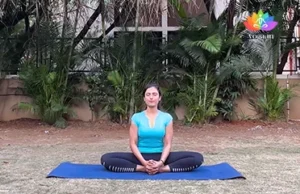
Bhadrasana (Gracious Pose | Butterfly Pose)
The Sanskrit name is derived from Bhadra (भद्रा) meaning gracious, auspicious or blessed and āsana (आसन)…
Explore →
Yoga for childbirth discomfort means gentle poses that ease tension and prepare you, with your midwife's or doctor's approval.
Browse All Poses
The Sanskrit name is derived from Bhadra (भद्रा) meaning gracious, auspicious or blessed and āsana (आसन)…
Explore →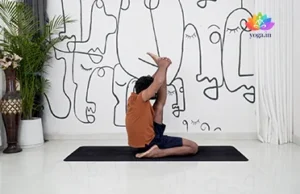
The Sanskrit name is derived from Kraunch (क्रौञ्च) meaning heron or the name of a mountain…
Explore →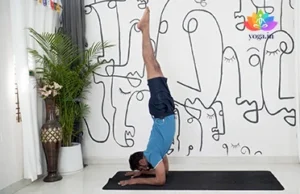
Pincha Mayurasana (पिञ्छ मयूरासन)
The Sanskrit name is derived from Pincha (पिंच) meaning feathered, Mayur (मयूर) meaning peacock and asana…
Explore →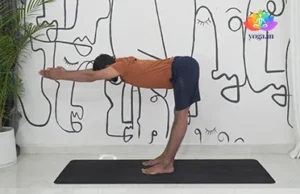
The Sanskrit name is derived from Sama (समा) meaning straight, Kona meaning angle (कोणा) and asana…
Explore →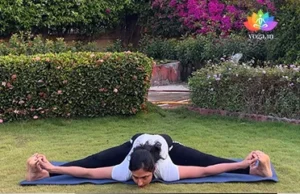
The Sanskrit name is derived from Upavistha (उपविष्ट) means open/seated, Kona (कोना) means angle and asana…
Explore →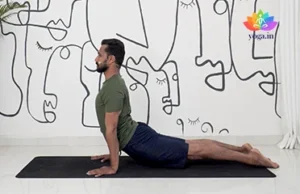
The Sanskrit name is derived from Urdhva (ऊर्ध्व) meaning up, Mukha (मुख) meaning face, Svān (श्वान)…
Explore →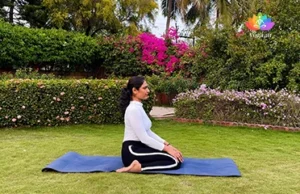
वीरासन
This page explains virasana, the Hero Pose, for learners searching how to practise this kneeling seat…
Explore →Yoga for childbirth discomfort means gentle poses and slow breathing that ease tension and help you prepare for labour. Yoga does not remove labour pain. This page lists careful poses by level and explains when to call your midwife or doctor.
Understanding the Category
Childbirth discomfort comes from strong contractions, a tired back and tight hips. Yoga cannot remove labour pain. It may build calm, ease hip and back tension and teach slow breathing.These poses fall into three groups:Open: Bhadrasana and Malasana loosen the hips and pelvis.Move: Marjariasana and Anjaneyasana ease the back and hips.Steady: Tadasana, Vrikshasana and Virabhadrasana II build leg strength.Use support such as a wall, cushions or a chair. Avoid lying flat on your back for long.
Why Practice
Suitability
Contraindications
Safety Note: Always consult a qualified yoga teacher and your healthcare provider before practising if you have existing medical conditions, injuries, or are pregnant.
By Level
By Level
By Level
Anatomy
Practice Tips
Common Questions
No. Labour pain is a normal part of birth and yoga cannot remove it. Gentle practice may help you feel calmer, move more easily and use slow breathing to cope with contractions.
For most healthy pregnancies, gentle yoga is safe, and the NHS counts yoga as useful activity. Get approval from your midwife or doctor first and tell your teacher you are pregnant.
Bhadrasana, Malasana, Marjariasana and Anjaneyasana loosen the hips and ease the back. Tadasana and Vrikshasana build steady legs. Use props and keep every stretch gentle.
Avoid inversions, deep twists, deep backbends, hot yoga and poses that squeeze the belly. Do not lie flat on your back for long, as it can cause dizziness. Choose supported, upright poses.
Many women start in the second trimester, but gentle yoga can begin earlier with approval. Start with about 10 minutes a day and build up slowly. Never start a new strenuous routine.
Call right away for vaginal bleeding, leaking fluid, severe belly pain, less baby movement, a severe headache, vision changes or chest pain. Also call for regular painful contractions before 37 weeks.
Keep Exploring
[gallery ids="3276,3275,3274,3273" type="slideshow"] DR. ANANDA BALAYOGI BHAVANANI “Science and spirituality are met at Ananda Ashram, convincing even the most difficult…
Read Article →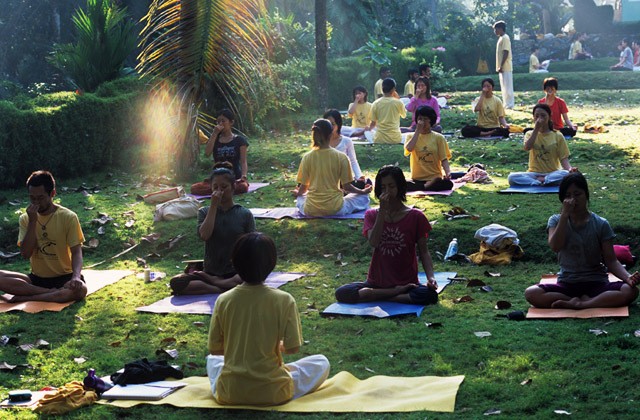
It is an excellent idea to invest in any kind of Yogic learning, especially in a Yoga Teacher Training, in…
Read Article →
by Krishna Prakash Antar Mouna is a clear set of six stages to allow us to enter deep meditation and…
Read Article →
एषः सर्वेश्वरः। एषः सर्वज्ञः। एषः अन्तर्यामी। एषः सर्वस्य योनिः। हि भूतानां प्रभवाप्ययौ ॥ eṣaḥ sarveśvaraḥ| eṣaḥ sarvajñaḥ| eṣaḥ antaryāmī| eṣaḥ…
Read Article →
India, the birthplace of yoga, has become one of the most sought-after global destinations for those wishing to learn, practice,…
Read Article →Please login with social account to support this post.