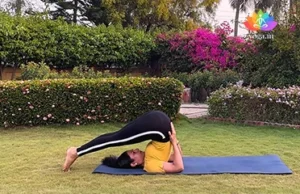
Halasana (Plough Pose)
The Sanskrit name is derived from Hala (हला) meaning plough and asana (आसन) meaning posture or…
Explore →
Yoga for cephalalgia and sinus uses gentle poses and slow breathing to ease tension and support easier breathing, alongside medical care.
Browse All Poses
The Sanskrit name is derived from Hala (हला) meaning plough and asana (आसन) meaning posture or…
Explore →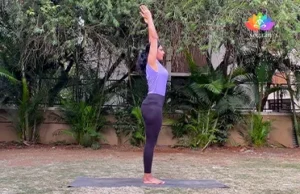
The sanskrit name is derived from hasta (हस्त) means hands, pada (पदा) means foot and asana…
Explore →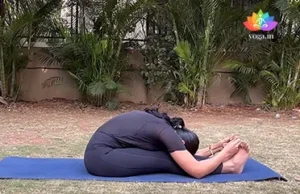
The Sanskrit name is derived from three sanskrit words: Paschima (पश्चिमा) meaning west or back of…
Explore →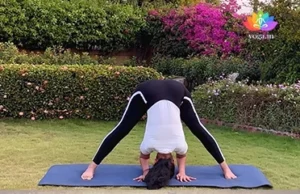
The Sanskrit name is derived from Prasārita (प्रसारित) meaning spread out or extended, Pada (पाद) meaning…
Explore →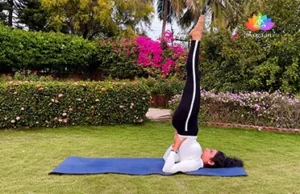
The Sanskrit name is derived from Sarva (सर्वाङ्ग) meaning all, Anga meaning body part and āsana…
Explore →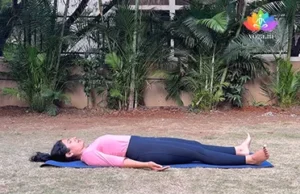
The Sanskrit name is derived from Śhava (शव) meaning "corpse" and āsana (आसन) meaning "posture" or…
Explore →
The Sanskrit name is derived from Setu (सेतु) meaning bridge, Bandha ( बन्धा) meaning lock and…
Explore →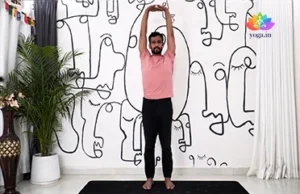
The sanskrit name is derived from tada (ताड़ा) meaning mountain and āsana (आसन) meaning posture or…
Explore →Yoga for cephalalgia and sinus uses gentle poses and slow breathing to ease tension and support easier breathing. Cephalalgia means headache. Yoga does not treat sinusitis or migraine. This page lists safe poses by level and explains when to see a doctor.
Understanding the Category
Cephalalgia is the medical word for headache. Sinus headaches bring pressure around the cheeks, eyes and forehead. Yoga cannot clear an infection or stop an attack. It may ease neck and shoulder tension and calm the breath.These poses fall into three groups:Rest: Savasana and Sukhasana slow the breath and relax the face.Open: Bhujangasana and Setubandhasana lift the chest and ease the neck.Face and breath: Simhasana relaxes the jaw and face.Keep the head level or above the heart. Skip deep forward bends and inversions while congested.
Why Practice
Suitability
Contraindications
Safety Note: Always consult a qualified yoga teacher and your healthcare provider before practising if you have existing medical conditions, injuries, or are pregnant.
By Level
By Level
By Level
Anatomy
Practice Tips
Common Questions
Cephalalgia is the medical term for headache. It covers tension headaches, migraine and sinus headaches. A doctor can tell which type you have and plan treatment.
No. Yoga cannot clear a sinus infection. Rest, fluids and medical care come first. Gentle poses may ease tension and help you breathe more calmly while you recover.
Savasana, Sukhasana, Tadasana and Bhujangasana are gentle and keep the head level or high. Simhasana relaxes the face. Practice when symptoms are mild and your doctor agrees.
Yes. Sirsasana, Sarvangasana and Halasana put the head low and can raise pressure in the face and head. Skip deep forward bends too while you are congested.
Slow nose breathing may help you relax. Avoid forceful methods like Kapalabhati when congested or in pain. Ask your doctor before you try any new pranayama.
See a GP if sinus symptoms last over a week of treatment, or if headaches keep returning. Get urgent help for a sudden, severe headache, fever with swelling near the eyes, or confusion.
Please login with social account to support this post.