
Paschimottanasana (Seated Forward Bend)
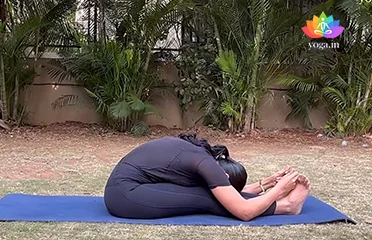
The Sanskrit name is derived from three sanskrit words: Paschima (पश्चिमा) meaning west or back of the whole body from the head to the heels, Uttan (उत्तान) meaning to stretch oneself upwards and asana (आसन) meaning posture or seat.
Lolasana (Pendant Pose)
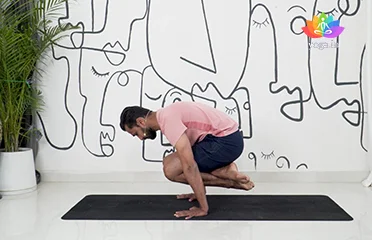
The Sanskrit name is derived from Lolā (लोला) meaning dangling posture and asana (आसन) meaning posture or seat.
Tittibhasana (Firefly Pose)
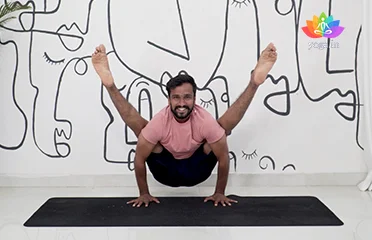
The Sanskrit name is derived from Tittibha (तिट्टीभा) meaning fly or insect and asana (आसन) meaning posture or seat.
Tadasana (Mountain Pose)
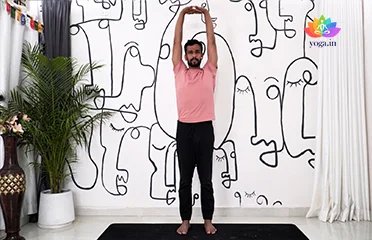
The sanskrit name is derived from tada (ताड़ा) meaning mountain and āsana (आसन) meaning posture or seat.
Tulasana (Scale Pose)
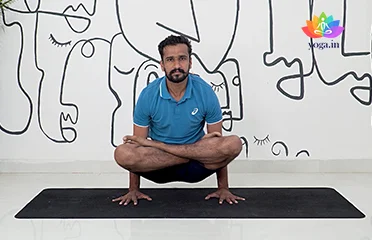
The Sanskrit name is derived from Tula (तुला) meaning balance and asana (आसन) meaning posture or seat.
Urdhva Mukha Svanasana (Upward-Facing Dog Pose)
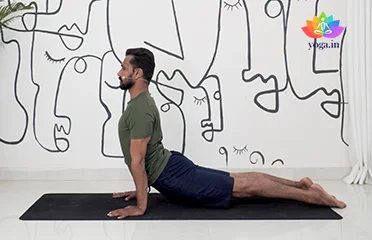
The Sanskrit name is derived from Urdhva (ऊर्ध्व) meaning up, Mukha (मुख) meaning face, Svān (श्वान) meaning dog and asana (आसन) meaning posture or seat.
Natarajasana (Lord of the Dance Pose)
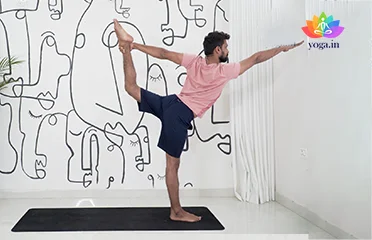
The Sanskrit name is derived from Nata (नट) meaning dance, Raja (राजा)) means king and asana (आसन) meaning posture or seat.
Pawanmuktasana — Wind Relieving Pose
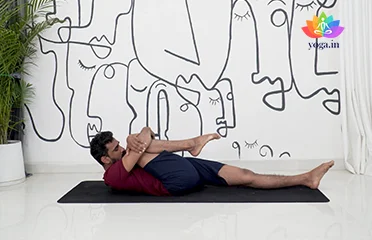
Pawanmuktasana is a supine wind-relieving posture composed of three Sanskrit words — Pawan (wind / Apana Vayu), Mukta (liberation), and Asana (posture). The pose draws one or both knees to the chest, compresses the abdomen, and mechanically releases trapped gas from the intestines. While absent from medieval Hatha yoga texts, it was codified and popularised […]
Pincha Mayurasana
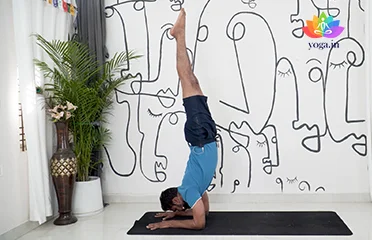
The Sanskrit name is derived from Pincha (पिंच) meaning feathered, Mayur (मयूर) meaning peacock and asana (आसन) meaning posture or seat.
Eka Pada Rajakapotasana (King Pigeon Pose)
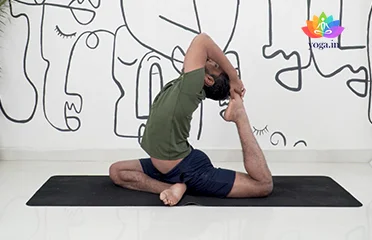
The Sanskrit name is derived from Eka (एक) meaning one, Pada (पाद) meaning foot, Raja (राज) meaning king, Kapota (कपोत) meaning pigeon and asana (आसन) meaning posture or seat.