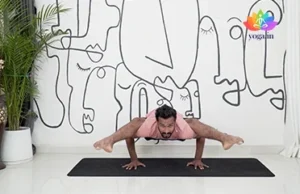
Eka Pada Koundinyasana (Sage Kaundinya’s Pose)
The Sanskrit name is derived from Eka (एक) meaning one, Pada (पाद) meaning leg, Koundinya (कौण्डिन्या)…
Explore →
Yoga poses for splenic discomfort are gentle, low pressure moves that ease stress, always alongside medical care.
Browse All Poses
The Sanskrit name is derived from Eka (एक) meaning one, Pada (पाद) meaning leg, Koundinya (कौण्डिन्या)…
Explore →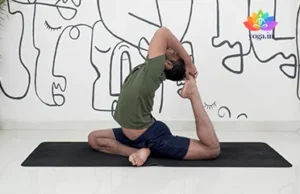
The Sanskrit name is derived from Eka (एक) meaning one, Pada (पाद) meaning foot, Raja (राज)…
Explore →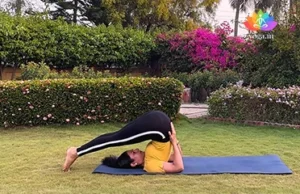
The Sanskrit name is derived from Hala (हला) meaning plough and asana (आसन) meaning posture or…
Explore →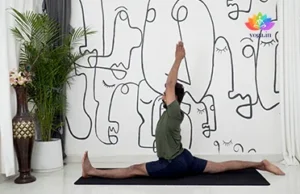
The Sanskrit name is derived from the Hindu God -Hanuman (हनुमान) (monkey-god) and asana (आसन) meaning…
Explore →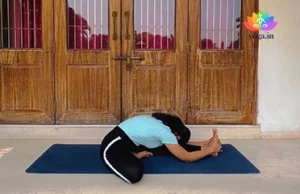
The Sanskrit name is derived from (जानु) Janu means knee, Sirsa (शीर्षा) means head and asana…
Explore →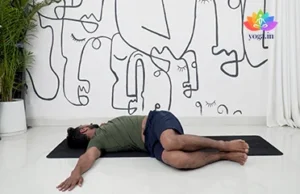
The Sanskrit name is derived from Jathara (ञठर) meaning belly or abdomen, Parivarta (परिवर्त) meaning revolving…
Explore →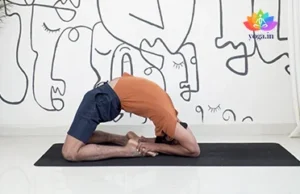
Kapotasana (कपोतासन)
The Sanskrit name is derived from Kapota (कपोटा) meaning pigeon or dove and asana (आसन) meaning…
Explore →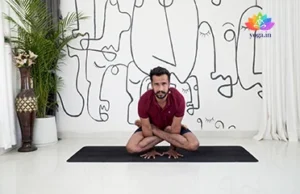
The Sanskrit name is derived from Kukkut (कुक्कुट) meaning rooster and asana (आसन) meaning posture or…
Explore →Yoga poses for splenic discomfort are gentle, low pressure postures that ease stress and support general well-being. They do not treat a spleen condition. This page lists safe poses by level and explains when to get urgent care.
Understanding the Category
The spleen sits behind the left ribs. It helps fight germs and filters the blood. Pain there can signal a serious problem. Yoga cannot treat it. Gentle poses may ease stress and support general well-being.These poses fall into three groups:Calm: Savasana and Sukhasana slow the breath and the mind.Open: Bhadrasana and Setubandhasana ease the hips and chest.Steady: Virabhadrasana II and Vrikshasana build balance.Keep the belly soft. Avoid deep twists and any pressure on the left ribs.
Why Practice
Suitability
Contraindications
By Level
By Level
By Level
Anatomy
Practice Tips
Common Questions
It means pain or fullness behind the left ribs, near the spleen. Causes range from mild to serious. A doctor can tell which applies, so get it checked.
No. Yoga cannot treat a spleen condition or improve its function. Gentle poses may ease stress and support well-being. Use them only alongside medical care.
Savasana, Sukhasana, Bhadrasana and Setubandhasana keep the belly soft. Move slowly and avoid pressure on the left ribs.
Avoid deep twists, strong belly pressure, jarring moves and forceful breathing such as Kapalabhati. They may stress the spleen area. Ask your doctor before any new exercise.
Only with your doctor's approval. An enlarged spleen can be injured more easily. Many doctors advise avoiding contact and jarring moves. Stay with gentle, calm poses.
Go to A&E for left rib pain after an injury, with dizziness or a fast heartbeat. See a doctor soon for fever, severe headache, abdominal pain or frequent infections.
Please login with social account to support this post.