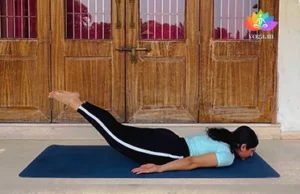
Shalabhasana (Locust Pose)
The Sanskrit name is derived from Shalabha (शलभा) meaning locust and āsana (आसन) meaning "posture" or…
Explore →
Gentle yoga poses that ease back tension and support steady energy, alongside your doctor's advice.
Browse All Poses
The Sanskrit name is derived from Shalabha (शलभा) meaning locust and āsana (आसन) meaning "posture" or…
Explore →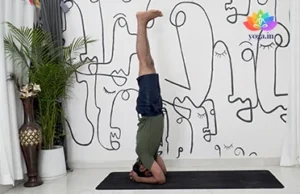
The Sanskrit name is derived from Sirsa (शीर्ष) meaning head and asana (आसन) meaning posture or…
Explore →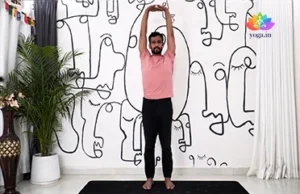
The sanskrit name is derived from tada (ताड़ा) meaning mountain and āsana (आसन) meaning posture or…
Explore →
The Sanskrit name is derived from Upavistha (उपविष्ट) means open/seated, Kona (कोना) means angle and asana…
Explore →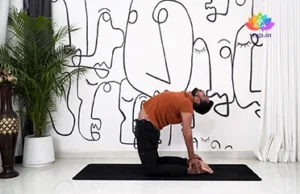
The Sanskrit name is derived from Ushtra (उष्ट्रासनI) meaning camel and Asana (आसन) meaning a pose.
Explore →Yoga poses for renal discomfort and diabetes are gentle moves that ease back tension. They may support steady blood sugar. They do not treat kidney disease or diabetes. This page lists safe poses by level, practice tips and warning signs. It does not replace medical care.
Understanding the Category
Renal discomfort means an ache in the lower back or sides near the kidneys. Diabetes affects blood sugar and can strain the kidneys over time. These poses relax the back and add gentle muscle activity.Rest: Savasana and Viparita Karani relax the back and breath.Move: Marjariasana and Setubandhasana ease the spine and wake the glutes.Stand: Tadasana and Virabhadrasana II build steady legs and gentle stamina.Sequence: start lying down. Add standing poses when you feel steady.
Why Practice
Suitability
Contraindications
By Level
By Level
By Level
Anatomy
Practice Tips
Common Questions
No. Yoga cannot treat kidney disease or diabetes. Gentle poses may ease back tension and support steady activity. Keep your medicines and follow your doctor's plan.
Gentle yoga is a safe way to stay active for many people with diabetes. It may help steady blood sugar. Check your levels, keep a snack close and ask your doctor first.
Savasana, Viparita Karani, Marjariasana and Setubandhasana are gentle and ease the back. Add Tadasana and Virabhadrasana II when you feel steady.
Avoid inversions, deep twists, strong belly squeezing and hot yoga. Skip long sessions if you feel dizzy or shaky. Stop at once if symptoms start.
Practice 10 to 20 minutes, most days. Short, gentle sessions work best. Pair them with daily walking if your doctor agrees.
Get urgent help for severe flank pain, fever, blood in urine or very low blood sugar. See a doctor for leg swelling or new tiredness. Yoga does not replace care.
Please login with social account to support this post.