YOGA.IN | ASANAS | AILMENT

Yoga Poses for Renal Discomfort / Diabetes: Benefits, Pose List & Practice Guide

Gentle yoga poses that ease back tension and support steady energy, alongside your doctor's advice.

21 Poses Covered 3 Skill Levels Safe Practice Tips Included FAQs Answered

Browse All Poses

List of Renal Discomfort / Diabetes

See by level ↓
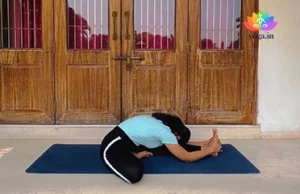
Janusirsasana (Head to Knee Pose)

Janusirsasana (Head to Knee Pose)

The Sanskrit name is derived from (जानु) Janu means knee, Sirsa (शीर्षा) means head and asana…

Explore →
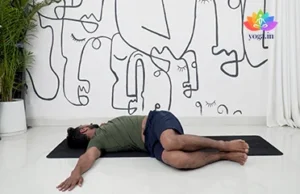
Jathara Parivartanasana (The Abdominal Twist)

Jathara Parivartanasana (The Abdominal Twist)

The Sanskrit name is derived from Jathara (ञठर) meaning belly or abdomen, Parivarta (परिवर्त) meaning revolving…

Explore →
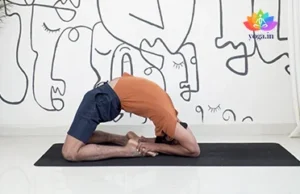
Kapotasana

Kapotasana (कपोतासन)

Kapotasana

The Sanskrit name is derived from Kapota (कपोटा) meaning pigeon or dove and asana (आसन) meaning…

Explore →
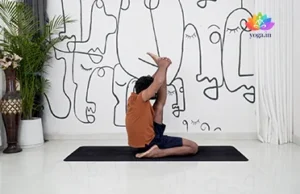
Kraunchasana (Heron Pose)

Kraunchasana (Heron Pose)

The Sanskrit name is derived from Kraunch (क्रौञ्च) meaning heron or the name of a mountain…

Explore →

Matsyendrasana (Lord of the Fishes Pose)

Matsyendrasana (Lord of the Fishes Pose)

The name Matsyendrasana is derived from the Sanskrit words Matsya (मत्स्य) meaning fish, Indra (इन्द्र) meaning…

Explore →
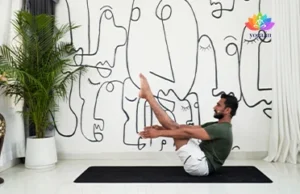
Naukasana (Boat Pose)

Naukasana (Boat Pose)

The Sanskrit name is derived from Nava ( नाव) meaning boat and asana (आसन) meaning posture…

Explore →

Paschimottanasana (Seated Forward Bend)

Paschimottanasana (Seated Forward Bend)

The Sanskrit name is derived from three sanskrit words: Paschima (पश्चिमा) meaning west or back of…

Explore →

Sarvangasana (Shoulderstand)

Sarvangasana (Shoulderstand)

The Sanskrit name is derived from Sarva (सर्वाङ्ग) meaning all, Anga meaning body part and āsana…

Explore →

Yoga poses for renal discomfort and diabetes are gentle moves that ease back tension. They may support steady blood sugar. They do not treat kidney disease or diabetes. This page lists safe poses by level, practice tips and warning signs. It does not replace medical care.

Understanding the Category

What Are Renal Discomfort / Diabetes?

Renal discomfort means an ache in the lower back or sides near the kidneys. Diabetes affects blood sugar and can strain the kidneys over time. These poses relax the back and add gentle muscle activity.Rest: Savasana and Viparita Karani relax the back and breath.Move: Marjariasana and Setubandhasana ease the spine and wake the glutes.Stand: Tadasana and Virabhadrasana II build steady legs and gentle stamina.Sequence: start lying down. Add standing poses when you feel steady.

Why Practice

Benefits of Renal Discomfort / Diabetes

🧍
Back Ease Gentle poses relax tight back muscles. Less tension helps you move.
🚶
Gentle Activity Light movement uses muscle energy. Regular activity may help steady blood sugar.
🦵
Leg Strength Strong legs make daily tasks easier. Good support protects the joints.
🩸
Blood Flow Gentle moves keep the legs active. Regular movement supports circulation.
🧍
Posture Tall poses train a long, neutral spine. Good posture lowers daily strain.
😌
Calm Slow breathing calms the body and mind. Less stress may ease tension.

Suitability

Who Should Practice?

  • Adults with a mild lower back or flank ache
  • People with stable diabetes cleared by a doctor
  • People with mild kidney concerns cleared by a doctor
  • People who sit for long hours
  • Beginners who want gentle, low strain poses

Contraindications

Who Should Avoid Renal Discomfort / Diabetes?

  • Severe flank pain, fever or blood in urine: get urgent care
  • Dizziness, shakiness or very low blood sugar: stop and eat
  • Swelling in the legs or sudden weight gain: see a doctor
  • Blurred vision or eye bleeding with diabetes: see a doctor
  • Inversions such as Headstand and Shoulderstand
  • Deep twists and strong belly squeezing
  • Long sessions on an empty stomach if you use insulin
  • Hot yoga and intense sequences

By Level

Beginner Renal Discomfort / Diabetes

By Level

Intermediate Renal Discomfort / Diabetes

By Level

Advanced Renal Discomfort / Diabetes

Anatomy

Muscles Worked

🧍
Back Erector spinae, quadratus lumborum
🧘
Core Transversus abdominis, rectus abdominis
🍑
Glutes Gluteus maximus, gluteus medius
🦵
Thighs Quadriceps, hamstrings
🦶
Calves Gastrocnemius, soleus
🫁
Breathing Muscles Diaphragm, intercostals

Practice Tips

Tips for Safe Practice

  • ✓Get your doctor's approval before you start
  • ✓Check your blood sugar before you practice
  • ✓Keep a snack and water within reach
  • ✓Move slowly and stand up gently
  • ✓Hold each pose for 15 to 30 seconds
  • ✓Keep the belly soft and the breath slow
  • ✓Check your feet for sores after practice
  • ✓Stop at once if you feel dizzy or shaky

Common Questions

Frequently Asked Questions

Can yoga treat kidney problems or diabetes?

No. Yoga cannot treat kidney disease or diabetes. Gentle poses may ease back tension and support steady activity. Keep your medicines and follow your doctor's plan.

Is yoga good for diabetes?

Gentle yoga is a safe way to stay active for many people with diabetes. It may help steady blood sugar. Check your levels, keep a snack close and ask your doctor first.

Which poses are best?

Savasana, Viparita Karani, Marjariasana and Setubandhasana are gentle and ease the back. Add Tadasana and Virabhadrasana II when you feel steady.

Which poses should I avoid?

Avoid inversions, deep twists, strong belly squeezing and hot yoga. Skip long sessions if you feel dizzy or shaky. Stop at once if symptoms start.

How often should I practice?

Practice 10 to 20 minutes, most days. Short, gentle sessions work best. Pair them with daily walking if your doctor agrees.

When should I get urgent help?

Get urgent help for severe flank pain, fever, blood in urine or very low blood sugar. See a doctor for leg swelling or new tiredness. Yoga does not replace care.

✕

Login to Like

Please login with social account to support this post.

[nextend_social_login]

Find Your Videos

Choose a category