
Anantasana (Sleeping Vishnu Pose)
The Sanskrit name is derived from Ananta (अनन्त) meaning without end or the infinite one and…
Explore →
Gentle yoga poses that ease upper belly tension and calm the body, alongside your doctor's advice.
Browse All Poses
The Sanskrit name is derived from Ananta (अनन्त) meaning without end or the infinite one and…
Explore →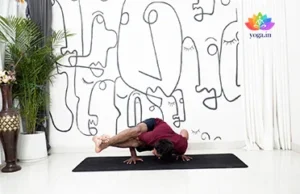
The sanskrit name is derived from ashta (अष्ट) meaning eight, Vakra (वक्र) meaning curved or bent…
Explore →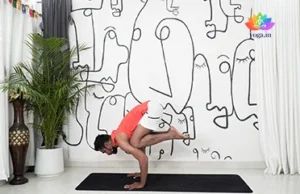
The Sanskrit name is derived from Baka (बक) meaning crane or Kaka (काक) meaning crow and…
Explore →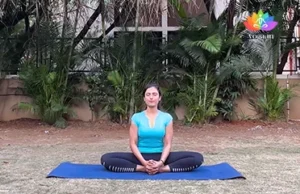
The Sanskrit name is derived from Bhadra (भद्रा) meaning gracious, auspicious or blessed and āsana (आसन)…
Explore →
The Sanskrit name is derived from Bhardvaja (भरद्वाज) means bringing about nourishment and asana (आसन) meaning…
Explore →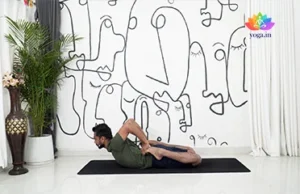
The Sanskrit name is derived from Bheka (भेका) meaning frog and asana (आसन) meaning posture or…
Explore →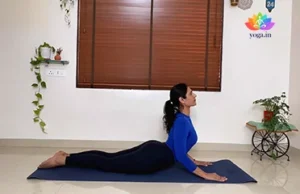
भुजङ्गासन
The Sanskrit name is derived from Bhujanga (भुजंगा) meaning cobra or snake and āsana (आसन) meaning…
Explore →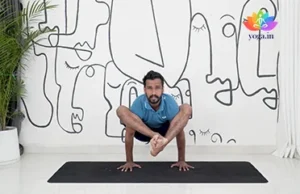
The Sanskrit name is derived from Bhuja (भुज) meaning arm/shoulder, Pida (पीडा) meaning pain and pressure…
Explore →Yoga poses for pancreatic discomfort are gentle moves that ease upper belly tension and calm the body. They do not treat pancreatic disease. This page lists safe poses by level, practice tips and warning signs. It does not replace medical care.
Understanding the Category
The pancreas sits deep behind the stomach and helps digestion and blood sugar. Upper belly discomfort can have many causes, so a doctor should check it. These poses relax the belly, ease the back and calm the breath. They do not treat the pancreas.
Why Practice
Suitability
Contraindications
Safety Note: Always consult a qualified yoga teacher and your healthcare provider before practising if you have existing medical conditions, injuries, or are pregnant.
By Level
By Level
By Level
Anatomy
Practice Tips
Common Questions
No. Yoga cannot treat pancreatitis, diabetes or other pancreatic disease. Gentle poses may ease belly tension and help you relax. A doctor should check any ongoing upper belly pain.
Yoga is only suitable once your doctor agrees and any flare has settled. Choose gentle, supported poses and avoid pressing on the belly. Stop if pain, nausea or fever starts.
Savasana, Supta Baddha Konasana, Vajrasana and Marjariasana are gentle and keep the belly soft. Add Bhujangasana and Tadasana when you feel steady.
Avoid deep twists, strong belly squeezing, inversions and hot yoga. Do not practice on a full stomach. Stop at once if belly pain or nausea grows.
Practice 10 to 15 minutes, once or twice a day. Short, gentle sessions work best. Rest often and keep the breath slow.
Get urgent help for severe upper belly pain, repeated vomiting, fever or yellow skin or eyes. See a doctor if discomfort lasts more than a few days. Yoga does not replace care.
Keep Exploring

The pursuit of a vibrant, energetic day often begins with a solid morning routine. For millions globally, that routine includes Suryanamaskar, the…
Read Article →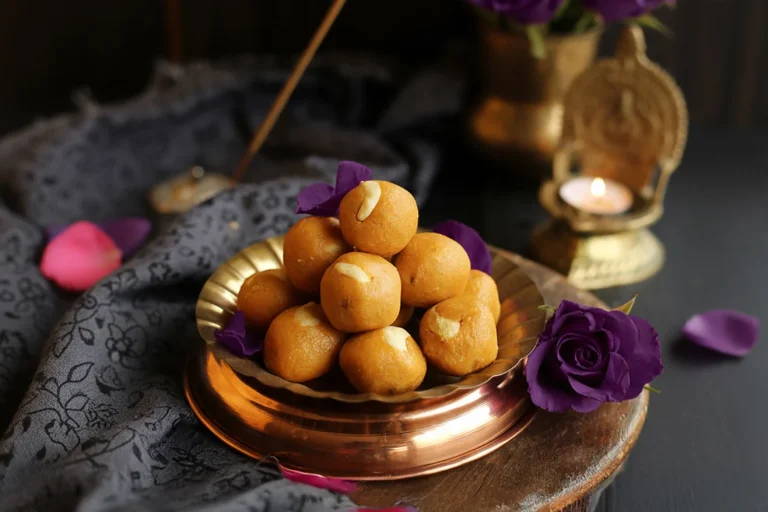
A Personal Reflection on Finding My Inner Light in the Kitchen this Diwali! The dust has settled. The diyas are…
Read Article →
The Third Eye Chakra serves as an area of focus, intuition, and insight. In an environment full of emails, alerts…
Read Article →
by KAYOKO MITSUMATSU, co-founder and president of Yoga Gives Back Yoga Gives Back (YGB) is a Los Angeles based nonprofit…
Read Article →Please login with social account to support this post.