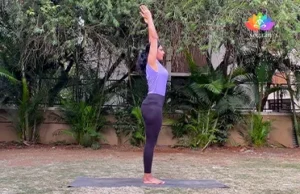
Hastapadasana (Hand to Foot Pose)
The sanskrit name is derived from hasta (हस्त) means hands, pada (पदा) means foot and asana…
Explore →
Gentle yoga poses that open the chest and ease a blocked nose, alongside your doctor's advice.
Browse All Poses
The sanskrit name is derived from hasta (हस्त) means hands, pada (पदा) means foot and asana…
Explore →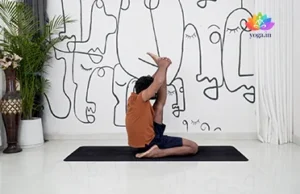
The Sanskrit name is derived from Kraunch (क्रौञ्च) meaning heron or the name of a mountain…
Explore →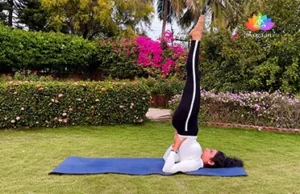
The Sanskrit name is derived from Sarva (सर्वाङ्ग) meaning all, Anga meaning body part and āsana…
Explore →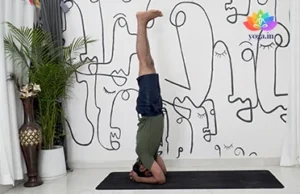
The Sanskrit name is derived from Sirsa (शीर्ष) meaning head and asana (आसन) meaning posture or…
Explore →Yoga poses for nasal congestion are gentle moves that open the chest and ease breathing. They do not clear a blocked nose on their own. This page lists safe poses by level, practice tips and warning signs. It does not replace medical care.
Understanding the Category
Nasal congestion means swollen or blocked nasal passages, often from a cold, allergy or sinus problem. These poses open the chest, relax the face and neck, and support slow breathing. They do not treat the cause.
Why Practice
Suitability
Contraindications
Safety Note: Always consult a qualified yoga teacher and your healthcare provider before practising if you have existing medical conditions, injuries, or are pregnant.
By Level
By Level
By Level
Anatomy
Practice Tips
Common Questions
Yoga cannot cure the cause of a blocked nose. Gentle poses and slow breathing may help you feel less tight in the chest and face. See a doctor if congestion lasts more than a few weeks.
Sukhasana, Supta Baddha Konasana, Matsyasana and Bhujangasana open the chest and support easy breathing. Add Tadasana and Virabhadrasana II when you feel steady.
Avoid long head down poses, inversions and hot yoga when your nose is blocked. They can add pressure to the face and head. Skip deep backbends and long breath holds.
Hold each pose for 5 to 10 slow breaths. Breathe through the nose when you can. Rest between poses and stop if head pressure grows.
Practice 10 to 15 minutes, once or twice a day. Short, gentle sessions work best. Rest often and sip warm water.
See a doctor for high fever, severe facial pain, swelling around the eyes or congestion lasting several weeks. Get urgent help for trouble breathing. Yoga does not replace care.
Keep Exploring

High blood pressure (hypertension) is often called a “silent condition” because it can develop gradually without obvious symptoms. Over time,…
Read Article →
An Inspiring Journey of Dedication, Tradition, and Global Influence In the vast realm of yoga, a few names resonate as…
Read Article →
I had been looking forward to this session for a long time. International Yoga Day has always felt special to…
Read Article →Please login with social account to support this post.