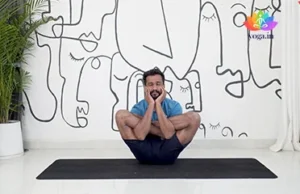
Garbha Pindasana (Womb Pose)
The Sanskrit name is derived from the word Garbha (गर्भ) meaning an embryo in the womb…
Explore →
Gentle yoga poses that ease tired legs and build lower limb strength, alongside your doctor's advice.
Browse All Poses
The Sanskrit name is derived from the word Garbha (गर्भ) meaning an embryo in the womb…
Explore →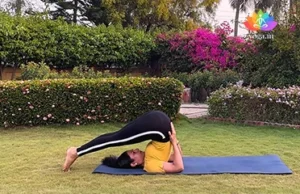
The Sanskrit name is derived from Hala (हला) meaning plough and asana (आसन) meaning posture or…
Explore →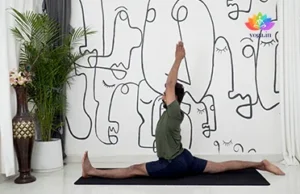
The Sanskrit name is derived from the Hindu God -Hanuman (हनुमान) (monkey-god) and asana (आसन) meaning…
Explore →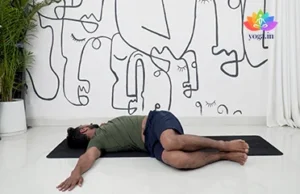
The Sanskrit name is derived from Jathara (ञठर) meaning belly or abdomen, Parivarta (परिवर्त) meaning revolving…
Explore →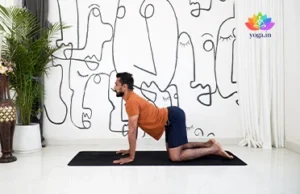
मार्जारासन
The Sanskrit name is derived from Marjari (मार्जरि) meaning cat and asana (आसन) meaning posture or…
Explore →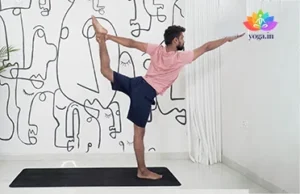
The Sanskrit name is derived from Nata (नट) meaning dance, Raja (राजा)) means king and asana…
Explore →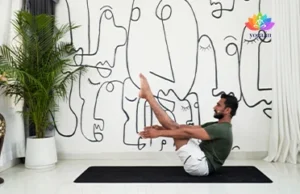
The Sanskrit name is derived from Nava ( नाव) meaning boat and asana (आसन) meaning posture…
Explore →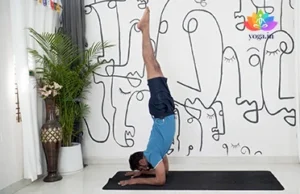
Pincha Mayurasana (पिञ्छ मयूरासन)
The Sanskrit name is derived from Pincha (पिंच) meaning feathered, Mayur (मयूर) meaning peacock and asana…
Explore →Yoga poses for lower limb discomfort are gentle moves that ease tight, tired hips, legs and feet. They build strength and balance. This page lists safe poses by level, practice tips and warning signs. It does not replace medical care.
Understanding the Category
The lower limb includes the hips, thighs, knees, calves, ankles and feet. Discomfort often comes from tight muscles, weak support or long hours of sitting. These poses stretch and strengthen the whole chain.
Why Practice
Suitability
Contraindications
Safety Note: Always consult a qualified yoga teacher and your healthcare provider before practising if you have existing medical conditions, injuries, or are pregnant.
By Level
By Level
By Level
Anatomy
Practice Tips
Common Questions
It means aching, tightness or tiredness in the hips, legs, ankles or feet. Common causes include tight muscles, weak support and long hours of sitting or standing. See a doctor if it persists.
Gentle yoga can ease tight, tired legs. It stretches, strengthens and keeps the joints moving. Stay within pain free limits and check with your doctor first.
Tadasana, Supta Padangusthasana, Viparita Karani and Baddha Konasana are gentle starting points. Add standing poses such as Virabhadrasana I when your legs feel steady.
Avoid deep knee bends such as Virasana and Padmasana, and forced stretches. Skip any pose that causes sharp or shooting pain. Never push the hips, knees or ankles.
Practice 10 to 20 minutes, most days. Short, gentle sessions work better than long ones. Add walking and avoid long periods of sitting or standing.
See a doctor for calf swelling, warmth or redness, numbness, leg weakness or pain after a fall. Get help if discomfort lasts several weeks. Yoga does not replace care.
Keep Exploring
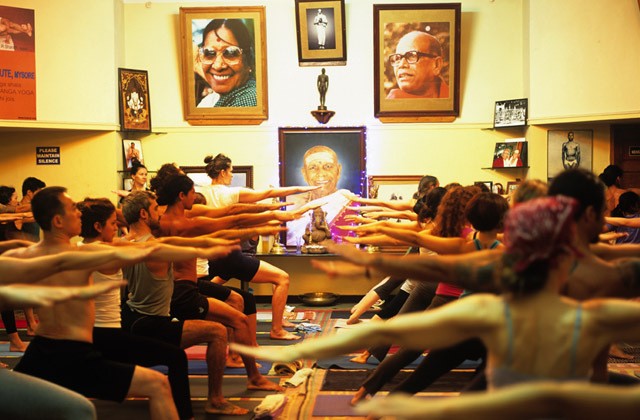
At the KPJAYI Yoga Shala, Mysore India. Photo Credit: Coni Hörler By Inna Costantini With ample choices of teacher training…
Read Article →
- By Shri Thorat Whenever I look back, the contrast is so profound it's hard to believe it’s all true.…
Read Article →
There was significant improvement in the healing of injuries once we adopted Yoga as a way of life in the…
Read Article →
An Inspiring Journey of Dedication, Tradition, and Global Influence In the vast realm of yoga, a few names resonate as…
Read Article →Please login with social account to support this post.