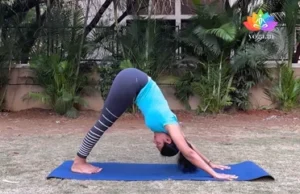
Adho Mukha Svanasana (Downward-Facing Dog Pose)
The sanskrit name is derived from adhas (अधस्) meaning down, mukha (मुख) meaning face, śvāna (श्वान) meaning dog and āsana…
Explore →
Gentle yoga poses that ease leg pain and build leg strength, alongside your doctor's advice.
Browse All Poses
The sanskrit name is derived from adhas (अधस्) meaning down, mukha (मुख) meaning face, śvāna (श्वान) meaning dog and āsana…
Explore →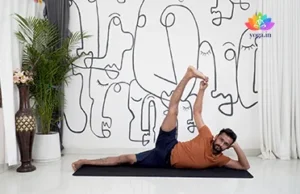
The Sanskrit name is derived from Ananta (अनन्त) meaning without end or the infinite one and…
Explore →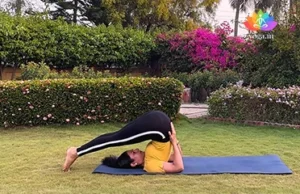
The Sanskrit name is derived from Hala (हला) meaning plough and asana (आसन) meaning posture or…
Explore →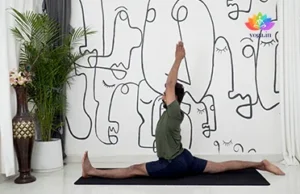
The Sanskrit name is derived from the Hindu God -Hanuman (हनुमान) (monkey-god) and asana (आसन) meaning…
Explore →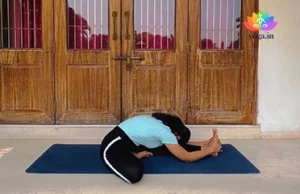
The Sanskrit name is derived from (जानु) Janu means knee, Sirsa (शीर्षा) means head and asana…
Explore →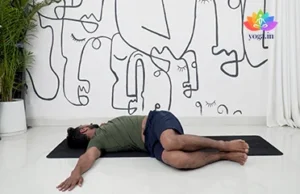
The Sanskrit name is derived from Jathara (ञठर) meaning belly or abdomen, Parivarta (परिवर्त) meaning revolving…
Explore →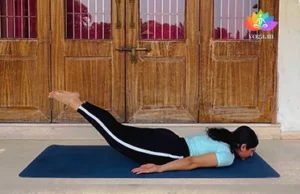
The Sanskrit name is derived from Shalabha (शलभा) meaning locust and āsana (आसन) meaning "posture" or…
Explore →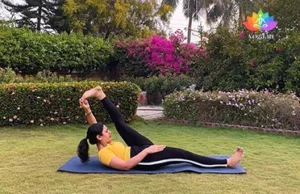
The Sanskrit name is derived from Supta (सुप्त) meaning 'supine or recline', 'pada' meaning foot', 'Angustha'meaning…
Explore →Yoga poses for leg malformation and leg pain are gentle moves that build strength, balance and ease in the legs. Yoga cannot reshape bones. This page lists safe poses by level, practice tips and warning signs. It does not replace medical care.
Understanding the Category
Leg malformation covers bow legs, knock knees and uneven alignment. Leg pain often comes from tight or weak muscles. These poses train the muscles that support the legs. They do not change bone shape.
Why Practice
Suitability
Contraindications
Safety Note: Always consult a qualified yoga teacher and your healthcare provider before practising if you have existing medical conditions, injuries, or are pregnant.
By Level
By Level
By Level
Anatomy
Practice Tips
Common Questions
No. Yoga cannot reshape bones. It may build the muscles around the legs and improve balance and posture. Ask your doctor about bow legs or knock knees, especially in children.
Gentle yoga can ease leg pain from tight or tired muscles. It builds strength and keeps the legs moving. Stay within pain free limits and check with your doctor first.
Tadasana, Supta Padangusthasana, Viparita Karani and Uttanasana with bent knees are gentle starting points. Add standing poses such as Virabhadrasana I when your legs feel steady.
Avoid deep knee bends such as Virasana and Padmasana, and forced stretches. Skip any pose that causes sharp or shooting pain. Never push the knees or ankles into a straight line.
Practice 10 to 20 minutes, most days. Short, gentle sessions work better than long ones. Add walking and avoid long periods of sitting or standing.
See a doctor for calf swelling, warmth or redness, numbness, leg weakness or pain after a fall. Get help if leg pain lasts several weeks. Yoga does not replace care.
Keep Exploring
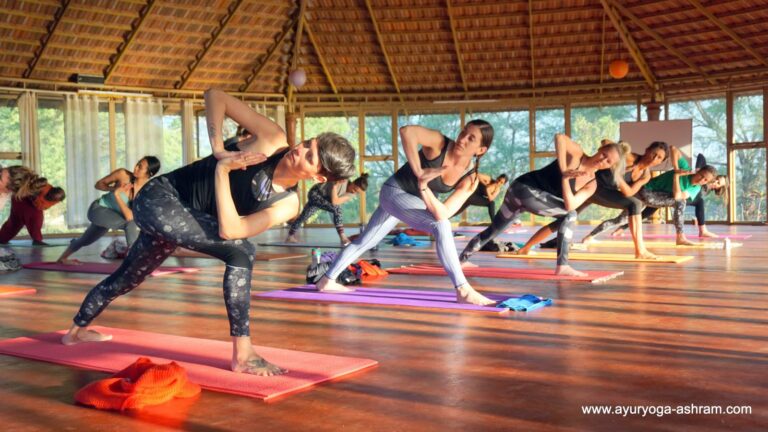
Yogis practicing Asana at AyurYoga Eco-Ashram. Photo Credit: AyurYoga Eco-Ashram BY ADITHI MATHEWS According to the holy book, The Bhagavad…
Read Article →
By Adithi Mathews Over a period, a practitioner of Yoga sees a transformation within themselves. It could start off as…
Read Article →
During these virus-shaken days many of us are seeking for online guidance on their yogic path. Numerous online courses pop…
Read Article →
If you live in Mumbai, you already know the soundtrack to daily life: sharp horn blasts, crowded trains, bumper to…
Read Article →Please login with social account to support this post.