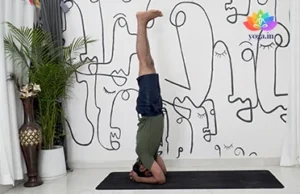
Sirsasana (Headstand)
The Sanskrit name is derived from Sirsa (शीर्ष) meaning head and asana (आसन) meaning posture or…
Explore →
Gentle yoga poses that ease gas, bloating and an unsettled belly, alongside your doctor's advice.
Browse All Poses
The Sanskrit name is derived from Sirsa (शीर्ष) meaning head and asana (आसन) meaning posture or…
Explore →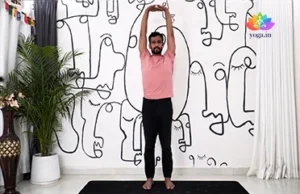
The sanskrit name is derived from tada (ताड़ा) meaning mountain and āsana (आसन) meaning posture or…
Explore →
The sanskrit name is derived from three Sanskrit Words: Tri (त्रि) meaning three, Kona (कोणा) meaning…
Explore →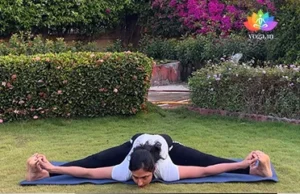
The Sanskrit name is derived from Upavistha (उपविष्ट) means open/seated, Kona (कोना) means angle and asana…
Explore →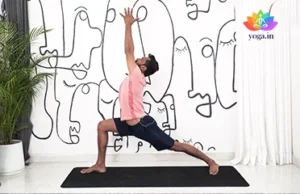
The Sanskrit name is derived from Vira (विरा) means hero, Bhadra (भद्रा )means friend and āsana…
Explore →
The Sanskrit name is derived from Vira (विरा) meaning hero, Bhadra (भद्रा )meaning friend and āsana…
Explore →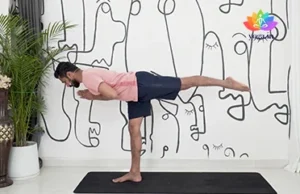
The Sanskrit name is derived from Vira (विरा) meaning hero, Bhadra (भद्रा )meaning friend and āsana…
Explore →Yoga poses for indigestion and bloating are gentle moves that ease gas and belly pressure. They help the body relax and may support healthy digestion. This page lists safe poses by level, practice tips and warning signs. It does not replace medical care.
Understanding the Category
Indigestion is an uneasy, full or burning feeling in the upper belly. Bloating is trapped gas that swells the belly. These poses gently move and relax the belly muscles. They do not treat ulcers or other digestive disease.Release: Pavanamuktasana and Marjariasana help move trapped gas.Open: Bhujangasana and Setubandhasana gently lift and open the front body.Settle: Vajrasana and Savasana calm the belly and breath.Sequence: practice on an empty stomach. End with Savasana.
Why Practice
Suitability
Contraindications
By Level
By Level
By Level
Anatomy
Practice Tips
Common Questions
Yes, gentle yoga can ease gas and belly pressure and help you relax. It does not treat digestive disease. See a doctor if symptoms keep returning.
Pavanamuktasana, Vajrasana, Marjariasana and Savasana are gentle starting points. Add Bhujangasana and Setubandhasana when your belly feels settled.
Practice on an empty stomach for most poses. Wait about two hours after a heavy meal. Vajrasana is the exception and is fine after a light meal.
Avoid deep twists, strong belly squeezing, inversions and hot yoga. Do not practice on a full stomach. Stop at once if pain or nausea grows.
Practice 10 to 15 minutes, once or twice a day. Short, gentle sessions work best. Add a short walk after meals.
Get urgent help for severe belly pain, repeated vomiting, fever, black stools or blood in vomit. See a doctor if bloating lasts several weeks or you lose weight. Yoga does not replace care.
Please login with social account to support this post.