YOGA.IN | ASANAS | AILMENT

Yoga Poses for Indigestion / Bloating: Benefits, Pose List & Practice Guide

Gentle yoga poses that ease gas, bloating and an unsettled belly, alongside your doctor's advice.

23 Poses Covered 3 Skill Levels Safe Practice Tips Included FAQs Answered

Browse All Poses

List of Indigestion / Bloating

See by level ↓
Akarna Dhanurasana (Archer Pose)

Akarna Dhanurasana (Archer Pose)

The Sanskrit name is derived from Akarna (अकर्णा ) meaning towards the ear, Dhanura (धनुर) meaning…

Explore →
Anantasana (Sleeping Vishnu Pose)

Anantasana (Sleeping Vishnu Pose)

The Sanskrit name is derived from Ananta (अनन्त) meaning without end or the infinite one and…

Explore →
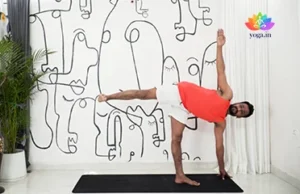
Ardha Chandrasana (Half Moon Pose)

Ardha Chandrasana (Half Moon Pose)

The Sanskrit name is derived from Ardha (अर्ध) meaning half, Chandra (चन्द्र) meaning moon and asana…

Explore →
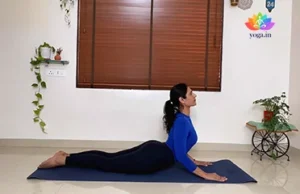
Bhujangasana (Cobra Pose) 

भुजङ्गासन

Bhujangasana (Cobra Pose) 

The Sanskrit name is derived from Bhujanga (भुजंगा) meaning cobra or snake and āsana (आसन) meaning…

Explore →
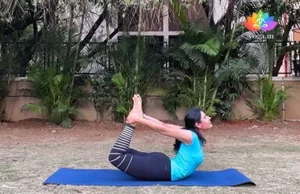
Dhanurasana (Bow Pose)

धनुरासन

Dhanurasana (Bow Pose)

Dhanurasana — Bow Pose — is a foundational prone backbend in which the practitioner lies face-down,…

Explore →
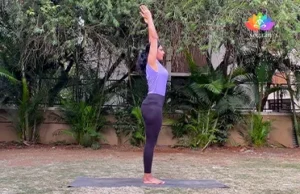
Hastapadasana (Hand to Foot Pose)

Hastapadasana (Hand to Foot Pose)

The sanskrit name is derived from hasta (हस्त) means hands, pada (पदा) means foot and asana…

Explore →
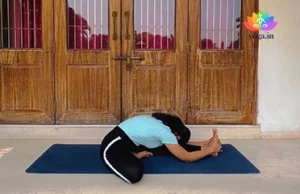
Janusirsasana (Head to Knee Pose)

Janusirsasana (Head to Knee Pose)

The Sanskrit name is derived from (जानु) Janu means knee, Sirsa (शीर्षा) means head and asana…

Explore →
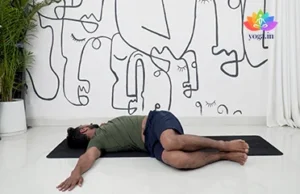
Jathara Parivartanasana (The Abdominal Twist)

Jathara Parivartanasana (The Abdominal Twist)

The Sanskrit name is derived from Jathara (ञठर) meaning belly or abdomen, Parivarta (परिवर्त) meaning revolving…

Explore →

Yoga poses for indigestion and bloating are gentle moves that ease gas and belly pressure. They help the body relax and may support healthy digestion. This page lists safe poses by level, practice tips and warning signs. It does not replace medical care.

Understanding the Category

What Are Indigestion / Bloating?

Indigestion is an uneasy, full or burning feeling in the upper belly. Bloating is trapped gas that swells the belly. These poses gently move and relax the belly muscles. They do not treat ulcers or other digestive disease.Release: Pavanamuktasana and Marjariasana help move trapped gas.Open: Bhujangasana and Setubandhasana gently lift and open the front body.Settle: Vajrasana and Savasana calm the belly and breath.Sequence: practice on an empty stomach. End with Savasana.

Why Practice

Benefits of Indigestion / Bloating

🌿
Gas Relief Gentle folds and hugs help move trapped gas. Less pressure may ease bloating.
🌿
Belly Comfort Soft poses ease tight belly muscles. Less tension may soften the ache.
🚶
Gentle Movement Slow moves wake up a sluggish belly. Light motion supports healthy digestion.
🧍
Posture Tall poses give the belly more room. Good posture lowers belly pressure.
😌
Relaxation Slow breathing calms the body and mind. Less stress may ease an upset belly.
🌬️
Calm Breathing Soft belly breathing slows the pace. Slow breaths ease the feeling of fullness.

Suitability

Who Should Practice?

  • Adults with mild gas, bloating or fullness
  • People with occasional indigestion
  • People who sit for long hours
  • Beginners who want gentle, low strain poses
  • Anyone who wants calmer, slower breathing

Contraindications

Who Should Avoid Indigestion / Bloating?

  • Severe belly pain, vomiting or fever: get urgent care
  • Black stools or blood in vomit: get urgent care
  • Weight loss or trouble swallowing: see a doctor
  • Pain that gets worse during or after practice
  • Deep twists and strong belly squeezing after meals
  • Practicing on a full stomach
  • Inversions such as Headstand and Shoulderstand
  • Hot yoga and intense sequences

By Level

Beginner Indigestion / Bloating

By Level

Intermediate Indigestion / Bloating

By Level

Advanced Indigestion / Bloating

Anatomy

Muscles Worked

🧘
Core Transversus abdominis, rectus abdominis
⌛
Waist Internal obliques, external obliques
🧍
Back Erector spinae, multifidus
🫁
Breathing Muscles Diaphragm, intercostals
🍑
Glutes Gluteus maximus, gluteus medius
🌀
Hips Hip flexors, adductors

Practice Tips

Tips for Safe Practice

  • ✓Practice on an empty stomach
  • ✓Sit in Vajrasana after a light meal
  • ✓Move slowly and stay within comfortable limits
  • ✓Keep the belly soft and the breath slow
  • ✓Hold each pose for 15 to 30 seconds
  • ✓Twist gently and only as far as is easy
  • ✓Check with your doctor if symptoms last
  • ✓Stop at once if belly pain or nausea grows

Common Questions

Frequently Asked Questions

Can yoga help indigestion and bloating?

Yes, gentle yoga can ease gas and belly pressure and help you relax. It does not treat digestive disease. See a doctor if symptoms keep returning.

Which poses are best for indigestion and bloating?

Pavanamuktasana, Vajrasana, Marjariasana and Savasana are gentle starting points. Add Bhujangasana and Setubandhasana when your belly feels settled.

Can I do yoga after eating?

Practice on an empty stomach for most poses. Wait about two hours after a heavy meal. Vajrasana is the exception and is fine after a light meal.

Which poses should I avoid?

Avoid deep twists, strong belly squeezing, inversions and hot yoga. Do not practice on a full stomach. Stop at once if pain or nausea grows.

How often should I practice?

Practice 10 to 15 minutes, once or twice a day. Short, gentle sessions work best. Add a short walk after meals.

When should I get urgent help?

Get urgent help for severe belly pain, repeated vomiting, fever, black stools or blood in vomit. See a doctor if bloating lasts several weeks or you lose weight. Yoga does not replace care.

✕

Login to Like

Please login with social account to support this post.

[nextend_social_login]

Find Your Videos

Choose a category