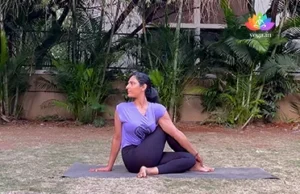
Matsyendrasana (Lord of the Fishes Pose)
The name Matsyendrasana is derived from the Sanskrit words Matsya (मत्स्य) meaning fish, Indra (इन्द्र) meaning…
Explore →
Yoga poses for exhaustion and tiredness range from quiet rest to gentle movement, with options for different energy levels.
Browse All Poses
The name Matsyendrasana is derived from the Sanskrit words Matsya (मत्स्य) meaning fish, Indra (इन्द्र) meaning…
Explore →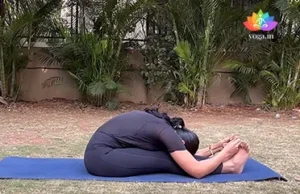
The Sanskrit name is derived from three sanskrit words: Paschima (पश्चिमा) meaning west or back of…
Explore →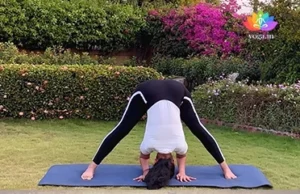
The Sanskrit name is derived from Prasārita (प्रसारित) meaning spread out or extended, Pada (पाद) meaning…
Explore →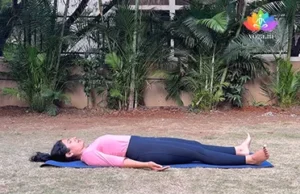
The Sanskrit name is derived from Śhava (शव) meaning "corpse" and āsana (आसन) meaning "posture" or…
Explore →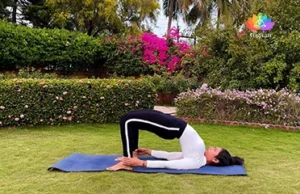
The Sanskrit name is derived from Setu (सेतु) meaning bridge, Bandha ( बन्धा) meaning lock and…
Explore →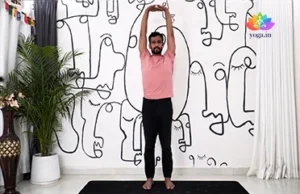
The sanskrit name is derived from tada (ताड़ा) meaning mountain and āsana (आसन) meaning posture or…
Explore →Yoga poses for exhaustion and tiredness include resting, seated, standing, folding, balancing, and strength poses. They help readers compare gentle options with more active movements. Yoga does not diagnose or treat persistent fatigue.
Understanding the Category
These poses range from quiet rest to standing, folding, balancing, and strength work. Resting poses use little effort, while active poses need more control and energy. Choose a comfortable option and avoid pushing through unusual fatigue.
These poses fall into three groups:
Rest whenever needed. Stop if you feel dizzy, weak, breathless or unwell.
Why Practice
Suitability
Contraindications
Safety Note: Always consult a qualified yoga teacher and your healthcare provider before practising if you have existing medical conditions, injuries, or are pregnant.
By Level
By Level
By Level
Anatomy
Practice Tips
Common Questions
Gentle yoga may support relaxation and movement, but results vary. Rest when needed and do not ignore persistent or unexplained fatigue.
Savasana is a simple resting option. Choose a comfortable position and keep breathing easy. No single pose suits everyone.
Avoid demanding poses when you feel weak, dizzy, or unwell. Choose rest or gentle movement instead.
Start with a few comfortable minutes. Stop sooner if symptoms worsen, and increase duration only when appropriate.
Speak with a healthcare professional if tiredness lasts for weeks, affects daily life, or has no clear cause.
No. Fatigue can have many causes. Yoga does not replace assessment or treatment from a qualified clinician.
Keep Exploring
“Through practice of the limbs of Yoga, whereby impurities are eliminated, there arises enlightenment.” - Yoga Sutras of Patanjali Yoga is more than just asana practice; it goes beyond the physical aspect of it. It…
Read Article →
The lockdown period was one of the most difficult phases of my life. I was very sick, and my body…
Read Article →
Back pain is a common ailment that affects millions of people worldwide. Whether caused by poor posture, muscle strain, or…
Read Article →Please login with social account to support this post.