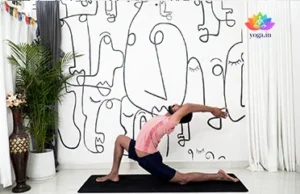
Anjaneyasana (Crescent Moon Pose)
The Sanskrit name is derived from Anjane (आंजने) meaning Hanuman, the son of Anjani and asana…
Explore →
Gentle yoga poses that open the chest and ease lung effort, alongside your doctor's advice.
Browse All Poses
The Sanskrit name is derived from Anjane (आंजने) meaning Hanuman, the son of Anjani and asana…
Explore →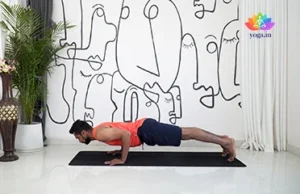
The Sanskrit name is derived from Chatur (चतुर) meaning four, Anga (अङ्ग) meaning limb, Danda (दण्डा)…
Explore →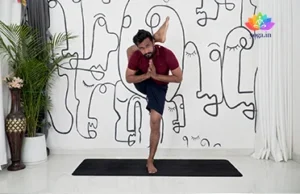
The Sanskrit name is derived from the word Durva (दुर्वा) which is the name of a…
Explore →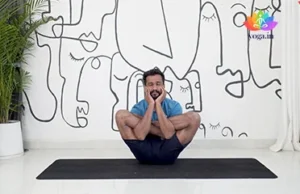
The Sanskrit name is derived from the word Garbha (गर्भ) meaning an embryo in the womb…
Explore →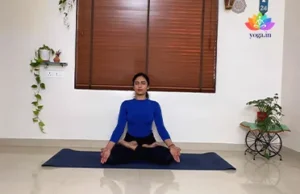
The Sanskrit name is derived from Padma (पद्मा) meaning lotus and āsana (आसन) meaning "posture" or…
Explore →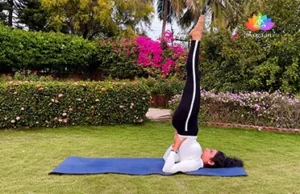
The Sanskrit name is derived from Sarva (सर्वाङ्ग) meaning all, Anga meaning body part and āsana…
Explore →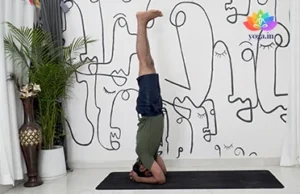
The Sanskrit name is derived from Sirsa (शीर्ष) meaning head and asana (आसन) meaning posture or…
Explore →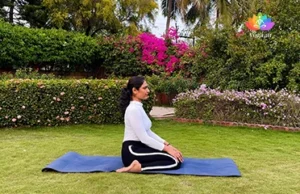
वीरासन
This page explains virasana, the Hero Pose, for learners searching how to practise this kneeling seat…
Explore →Yoga poses for pulmonary discomfort are gentle moves that open the chest and ease breathing. They build calm, steady breath habits. They do not treat lung disease. This page lists safe poses by level, practice tips and warning signs. It does not replace medical care.
Understanding the Category
Pulmonary discomfort means tightness, ache or effort in the chest and lungs. It can come from asthma, infection, allergy or tight chest muscles. These poses open the chest, relax the breathing muscles and teach slow breathing.Open: Matsyasana and Bhujangasana lift and open the chest.Rest: Supta Baddha Konasana and Savasana calm the body and breath.Stand: Tadasana and Trikonasana build an upright stance and steady breathing.Sequence: start with rest poses. Add standing poses when your breathing feels easy.
Why Practice
Suitability
Contraindications
By Level
By Level
By Level
Anatomy
Practice Tips
Common Questions
Gentle yoga may ease chest tightness and teach slower breathing. It does not treat lung disease. Check with your doctor first and keep taking your usual medicines.
Many people with asthma or COPD practice gentle yoga, but ask your doctor first. Keep your reliever inhaler close. Avoid fast, strong sequences and stop if symptoms rise.
Sukhasana, Tadasana, Supta Baddha Konasana and Savasana open the chest without strain. Add Bhujangasana and Matsyasana with support when your breathing stays calm.
Avoid deep backbends, long breath holds, hot yoga and inversions. Skip fast, strong sequences. Stop if you wheeze, feel dizzy or your breath feels short.
Practice 10 to 15 minutes, once or twice a day. Short, gentle sessions work best. Rest often and keep the breath slow.
Get urgent help for sudden breathlessness, chest pain, fainting or blue lips. See a doctor if a cough or chest tightness lasts several weeks. Yoga does not replace care.
Please login with social account to support this post.