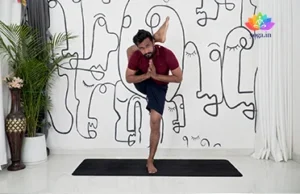
Durvasasana (Sage Durvasa’s Pose)
The Sanskrit name is derived from the word Durva (दुर्वा) which is the name of a…
Explore →
Yoga for digestive discomfort means gentle poses and slow breathing that ease stress and support gut comfort, alongside medical care.
Browse All Poses
The Sanskrit name is derived from the word Durva (दुर्वा) which is the name of a…
Explore →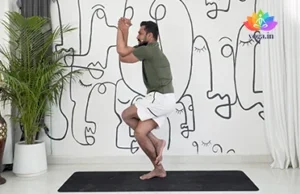
The Sanskrit name is derived from Garuda (गरुडा) meaning eagle and asana (आसन) meaning posture or…
Explore →
The Sanskrit name is derived from Hala (हला) meaning plough and asana (आसन) meaning posture or…
Explore →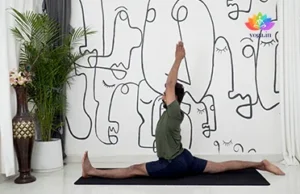
The Sanskrit name is derived from the Hindu God -Hanuman (हनुमान) (monkey-god) and asana (आसन) meaning…
Explore →
The sanskrit name is derived from hasta (हस्त) means hands, pada (पदा) means foot and asana…
Explore →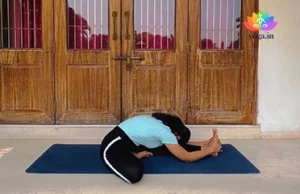
The Sanskrit name is derived from (जानु) Janu means knee, Sirsa (शीर्षा) means head and asana…
Explore →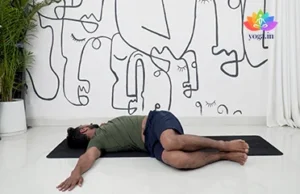
The Sanskrit name is derived from Jathara (ञठर) meaning belly or abdomen, Parivarta (परिवर्त) meaning revolving…
Explore →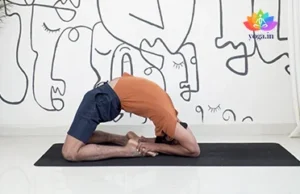
Kapotasana (कपोतासन)
The Sanskrit name is derived from Kapota (कपोटा) meaning pigeon or dove and asana (आसन) meaning…
Explore →Yoga for digestive discomfort means gentle poses and slow breathing that ease stress and support gut comfort. Yoga does not treat the cause of indigestion. This page lists safe poses by level and explains when to see a GP.
Understanding the Category
Digestive discomfort covers bloating, fullness, gas and an upset stomach. Stress, large meals and low activity often add to it. Yoga cannot treat the cause. Gentle movement and slow breathing may help the gut relax.These poses fall into three groups:Kneel and sit: Vajrasana and Dandasana give a calm, upright seat.Fold and flex: Marjariasana and Setubandhasana move the belly softly.Twist: Supta Matsyendrasana and Matsyendrasana gently move the belly.Practice on an empty stomach or two hours after a meal. Start seated, then lie down, then twist.
Why Practice
Suitability
Contraindications
Safety Note: Always consult a qualified yoga teacher and your healthcare provider before practising if you have existing medical conditions, injuries, or are pregnant.
By Level
By Level
By Level
Anatomy
Practice Tips
Common Questions
No. Yoga cannot cure indigestion or treat its cause. Meals, stress, smoking and some medicines all play a part. Gentle poses may ease tension and help the gut relax as part of a wider plan.
Vajrasana, Marjariasana, Supta Matsyendrasana and Setubandhasana move the belly gently and are easy to learn. Keep every pose slow and comfortable. Skip any pose that causes pain.
Wait about two hours after a meal. Strong twists and folds right after eating can cause discomfort. A short kneeling rest in Vajrasana is a gentle choice if you feel full.
Gentle twists are usually fine. Avoid deep or forced twists if you have reflux, an ulcer or severe symptoms. Turn slowly, keep the belly soft and stop if pain increases.
Yes. They can push stomach contents upward and worsen reflux or fullness. They are not needed. Choose seated, lying and gentle standing poses.
See a GP if indigestion keeps coming back, pain is severe, you lose weight without trying, or you have trouble swallowing. Get urgent care if you vomit blood or pass bloody stools.
Keep Exploring
BY KRISHNA PRAKASH Today there are innumerable styles of Yoga and an equally impressive array of studios and great teachers.…
Read Article →
By Laura Lynch As per Ayurveda, all foods have their own taste (rasa), heating or cooling energy (virya) and post-digestive…
Read Article →
Back pain is a common ailment that affects millions of people worldwide. Whether caused by poor posture, muscle strain, or…
Read Article →
Happy National Nutrition Week! Every year During 1st to 7th of September the world celebrates the power of food to…
Read Article →Please login with social account to support this post.