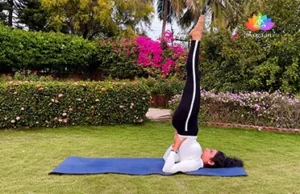
Sarvangasana (Shoulderstand)
The Sanskrit name is derived from Sarva (सर्वाङ्ग) meaning all, Anga meaning body part and āsana…
Explore →
Yoga poses for shoulders build mobility, strength, and stability for better posture and overhead control.
Browse All Poses
The Sanskrit name is derived from Sarva (सर्वाङ्ग) meaning all, Anga meaning body part and āsana…
Explore →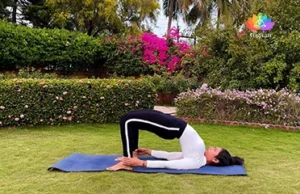
The Sanskrit name is derived from Setu (सेतु) meaning bridge, Bandha ( बन्धा) meaning lock and…
Explore →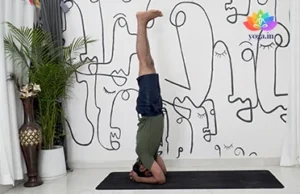
The Sanskrit name is derived from Sirsa (शीर्ष) meaning head and asana (आसन) meaning posture or…
Explore →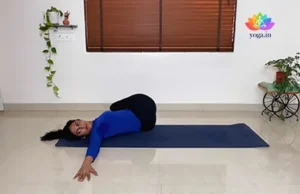
The Sanskrit name is derived from Supta (सुप्त) means supine, Matsya (मत्स्य) meaning fish, Indra (इन्द्र)…
Explore →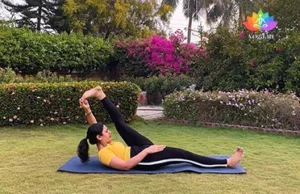
The Sanskrit name is derived from Supta (सुप्त) meaning 'supine or recline', 'pada' meaning foot', 'Angustha'meaning…
Explore →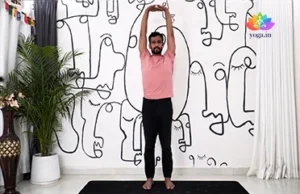
The sanskrit name is derived from tada (ताड़ा) meaning mountain and āsana (आसन) meaning posture or…
Explore →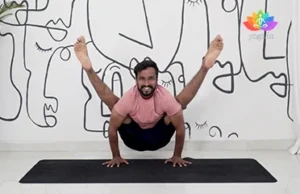
The Sanskrit name is derived from Tittibha (तिट्टीभा) meaning fly or insect and asana (आसन) meaning…
Explore →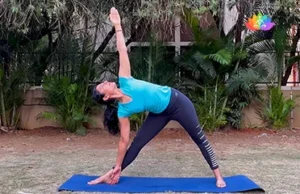
The sanskrit name is derived from three Sanskrit Words: Tri (त्रि) meaning three, Kona (कोणा) meaning…
Explore →Yoga poses for shoulders stretch and strengthen the deltoids, rotator cuff, and scapular muscles, easing tension from desk work and building the stability weight-bearing poses require. This page groups beginner-to-advanced poses, from gentle mobility work to advanced inversions like Handstand.
Understanding the Category
Yoga poses for shoulders work the joint through three functions.
In a sequence, shoulder mobility poses typically appear early to prepare the joint, while weight-bearing poses are practiced once the shoulders are warm and stable.
Why Practice
Suitability
Contraindications
Safety Note: Always consult a qualified yoga teacher and your healthcare provider before practising if you have existing medical conditions, injuries, or are pregnant.
By Level
By Level
By Level
Anatomy
Practice Tips
Common Questions
Yoga poses for shoulders are asanas that stretch and strengthen the deltoids, rotator cuff, and scapular muscles through mobility work, pressing strength, and weight-bearing poses, ranging from Cat-Cow for beginners to Handstand for advanced practitioners.
Yes. Poses like Cat-Cow, Eagle Pose arms, and Downward-Facing Dog gently stretch and mobilize the shoulders, easing tightness from desk work and poor posture.
Most shoulder poses are held for 15 to 45 seconds, or 5 to 8 breaths, building duration gradually as mobility and strength improve.
Yes. Cat-Cow, Eagle Pose arms, and Bridge Pose build foundational shoulder mobility and strength safely. Beginners should approach weight-bearing poses like Plank gradually.
Keep the shoulder blades engaged and rolling down the back, distribute weight evenly through the hands, and build foundational strength with Plank and Dolphin Pose before attempting a full inversion.
Plank Pose and Dolphin Pose are two of the most effective foundational poses for shoulder strength, both building the stability needed for more advanced poses like Crow Pose.
Keep Exploring
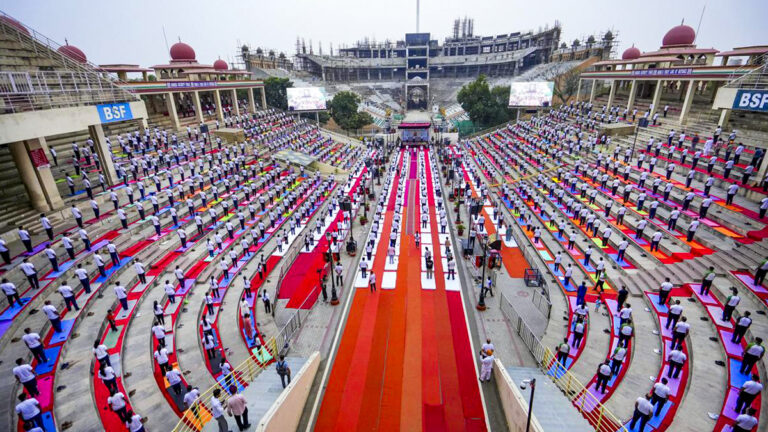
On 21st June 2025, India once again stood at the heart of a global celebration as the world marked the…
Read Article →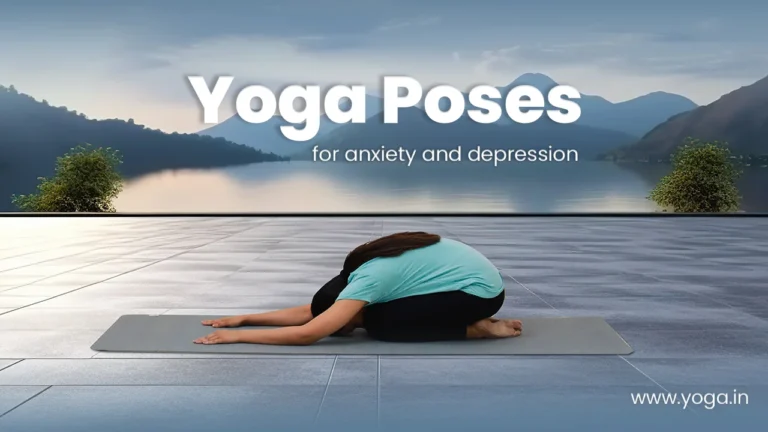
In today's fast-paced world, anxiety and depression have become common diseases, impacting millions of people globally. While modern medicine offers…
Read Article →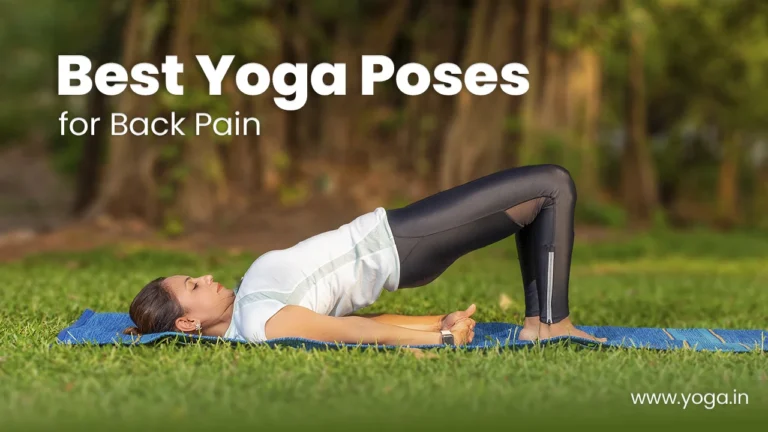
Back pain is a common ailment that affects millions of people worldwide. Whether caused by poor posture, muscle strain, or…
Read Article →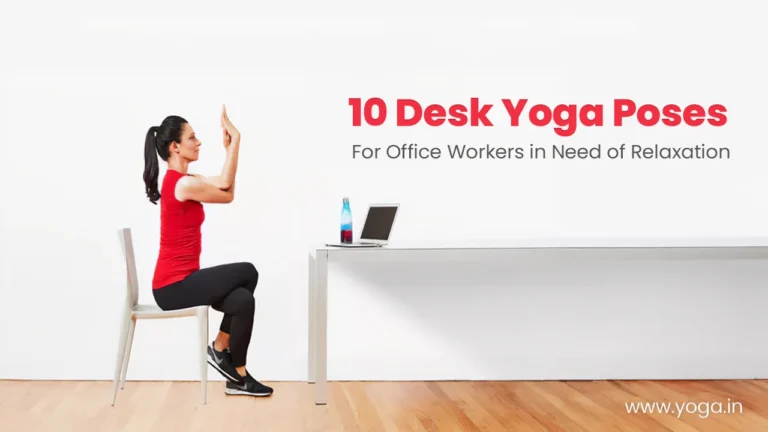
In today's fast-paced work environment, many office workers find themselves glued to their desks for hours on end. Prolonged sitting…
Read Article →
Yoga, an ancient tradition born in India, has grown into a worldwide phenomenon beyond physical fitness. It is a pathway…
Read Article →Please login with social account to support this post.