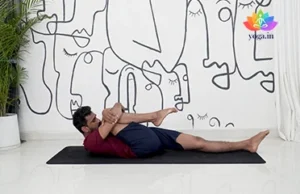
पवनमुक्तासन)
Pawanmuktasana — Wind Relieving Pose
Pawanmuktasana is a supine wind-relieving posture composed of three Sanskrit words — Pawan (wind / Apana…
Explore →
Yoga poses for pelvic build core connection, hip mobility, and pelvic floor awareness and strength.
Browse All Poses
पवनमुक्तासन)
Pawanmuktasana is a supine wind-relieving posture composed of three Sanskrit words — Pawan (wind / Apana…
Explore →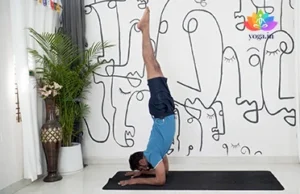
Pincha Mayurasana (पिञ्छ मयूरासन)
The Sanskrit name is derived from Pincha (पिंच) meaning feathered, Mayur (मयूर) meaning peacock and asana…
Explore →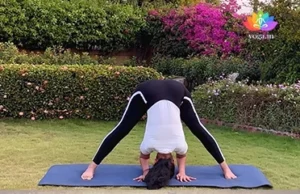
The Sanskrit name is derived from Prasārita (प्रसारित) meaning spread out or extended, Pada (पाद) meaning…
Explore →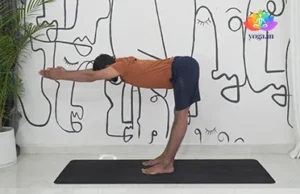
The Sanskrit name is derived from Sama (समा) meaning straight, Kona meaning angle (कोणा) and asana…
Explore →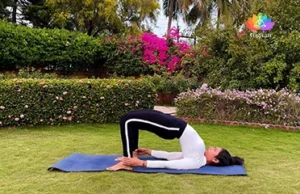
The Sanskrit name is derived from Setu (सेतु) meaning bridge, Bandha ( बन्धा) meaning lock and…
Explore →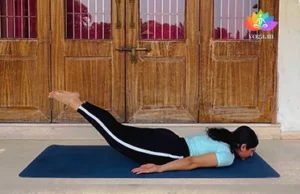
The Sanskrit name is derived from Shalabha (शलभा) meaning locust and āsana (आसन) meaning "posture" or…
Explore →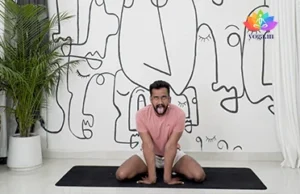
The Sanskrit name is derived from Simha (सिंहा) which means lion and asana (आसन) meaning posture…
Explore →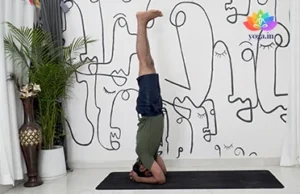
The Sanskrit name is derived from Sirsa (शीर्ष) meaning head and asana (आसन) meaning posture or…
Explore →Yoga poses for pelvic support the pelvic floor and surrounding hip muscles through release, engagement, and alignment work. This page groups beginner-to-advanced poses that build pelvic awareness, strength, and stability, useful for posture, core connection, and overall pelvic health.
Understanding the Category
Yoga poses for pelvic work the region through three functions.
Since pelvic floor needs vary between tightness and weakness, this page balances release work with strengthening rather than focusing on strength alone.
Why Practice
Suitability
Contraindications
Safety Note: Always consult a qualified yoga teacher and your healthcare provider before practising if you have existing medical conditions, injuries, or are pregnant.
By Level
By Level
By Level
Anatomy
Practice Tips
Common Questions
Yoga poses for pelvic are asanas that support the pelvic floor and surrounding hip muscles through release, engagement, and alignment work, ranging from gentle poses like Child's Pose to standing poses like Half Moon Pose.
Yes. Poses like Bridge Pose, Chair Pose, and Boat Pose engage the pelvic floor under load, which can help build strength over consistent practice, alongside guidance from a pelvic health professional if needed.
Gentle release poses like Child's Pose and Reclining Bound Angle Pose may help ease tension in an overly tight pelvic floor, though persistent tightness is best assessed by a pelvic health specialist.
Many postpartum practitioners return to gentle pelvic floor work once cleared for exercise by a doctor. Always get individual medical clearance before resuming yoga after childbirth.
The pelvic floor works together with the deep abdominal and back muscles as part of the core system, so poses that engage the core, like Boat Pose, often engage the pelvic floor as well.
See a pelvic floor physical therapist or doctor for persistent pelvic pain, pressure, leakage, or any symptoms affecting daily life, since these benefit from individual professional assessment.
Keep Exploring
[gallery ids="3276,3275,3274,3273" type="slideshow"] DR. ANANDA BALAYOGI BHAVANANI “Science and spirituality are met at Ananda Ashram, convincing even the most difficult…
Read Article →
Each day, a 1,000 students pass through the gate that leads to The Yoga Institute, which Hansaji is in charge…
Read Article →
BY KRISHNA PRAKASH Nidra means sleep and Yoga Nidra is its antonym! Although appearing to be a practice of deep stillness,…
Read Article →
In Lubomir Ondračka’s essay about the system of Hathayoga, he takes us through its up and down history, tracking this…
Read Article →
Coming down from ancient practices with deep roots, yoga carries a wide range of health benefits, which are increasingly known.…
Read Article →Please login with social account to support this post.