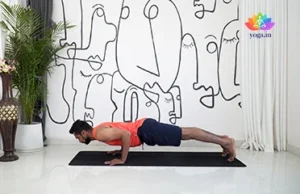
Chaturanga Dandasana (Low Plank Pose)
The Sanskrit name is derived from Chatur (चतुर) meaning four, Anga (अङ्ग) meaning limb, Danda (दण्डा)…
Explore →
Yoga poses for sleeplessness are gentle bedtime moves that calm the mind and body, alongside good sleep habits.
Browse All Poses
The Sanskrit name is derived from Chatur (चतुर) meaning four, Anga (अङ्ग) meaning limb, Danda (दण्डा)…
Explore →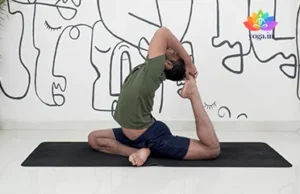
The Sanskrit name is derived from Eka (एक) meaning one, Pada (पाद) meaning foot, Raja (राज)…
Explore →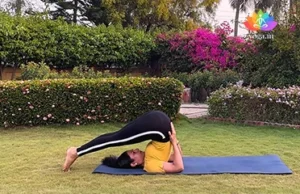
The Sanskrit name is derived from Hala (हला) meaning plough and asana (आसन) meaning posture or…
Explore →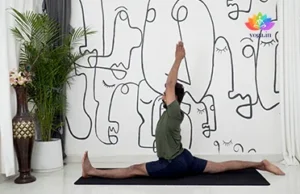
The Sanskrit name is derived from the Hindu God -Hanuman (हनुमान) (monkey-god) and asana (आसन) meaning…
Explore →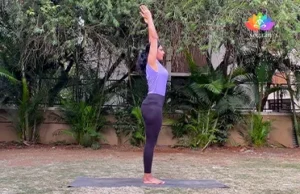
The sanskrit name is derived from hasta (हस्त) means hands, pada (पदा) means foot and asana…
Explore →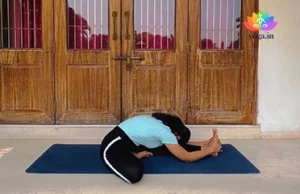
The Sanskrit name is derived from (जानु) Janu means knee, Sirsa (शीर्षा) means head and asana…
Explore →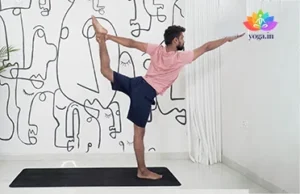
The Sanskrit name is derived from Nata (नट) meaning dance, Raja (राजा)) means king and asana…
Explore →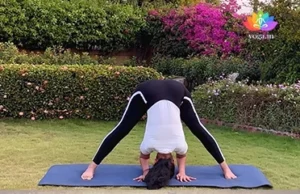
The Sanskrit name is derived from Prasārita (प्रसारित) meaning spread out or extended, Pada (पाद) meaning…
Explore →Yoga poses for sleeplessness are gentle postures that calm the mind and help the body wind down. They do not cure insomnia. This page lists safe poses by level, sleep tips and when to see a GP.
Understanding the Category
Sleeplessness, or insomnia, means trouble falling or staying asleep. Stress is a common cause. Yoga does not cure it. Slow poses may calm the nervous system and make a bedtime routine easier.These poses fall into three groups:Rest: Savasana and Balasana let the body fully release.Fold: Paschimottanasana and Janusirsasana quiet the mind.Restore: Viparita Karani and Setubandhasana ease tired legs and back.Practice in the evening. Keep every move slow and gentle.
Why Practice
Suitability
Contraindications
By Level
By Level
By Level
Anatomy
Practice Tips
Common Questions
Yoga does not cure insomnia. Gentle poses and slow breathing may calm the nervous system and ease stress. Use them with good sleep habits and medical advice.
Savasana, Balasana, Paschimottanasana and Viparita Karani are calm options. Hold each for 30 to 60 seconds and breathe slowly.
Practice 30 to 60 minutes before bed in a dim, quiet room. Avoid vigorous poses late in the evening. Keep the same routine each night.
Avoid strong inversions such as Headstand and Shoulderstand, and vigorous poses before bed. They can raise alertness. Forceful breathing is also best skipped.
Keep a regular sleep time, a dark quiet room and a wind down hour. Avoid caffeine, alcohol, nicotine and screens late in the day. Exercise earlier in the day.
See a GP if sleep problems last for months or make daily life hard. Go sooner for loud snoring, pauses in breathing or low mood. A GP can look for causes and suggest therapy.
Please login with social account to support this post.