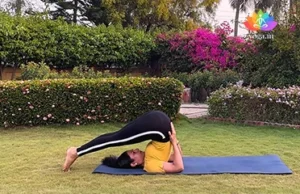
Halasana (Plough Pose)
The Sanskrit name is derived from Hala (हला) meaning plough and asana (आसन) meaning posture or…
Explore →
Gentle, floor based yoga poses that build calm and steady breathing, alongside your neurologist's advice.
Browse All Poses
The Sanskrit name is derived from Hala (हला) meaning plough and asana (आसन) meaning posture or…
Explore →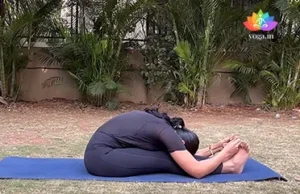
The Sanskrit name is derived from three sanskrit words: Paschima (पश्चिमा) meaning west or back of…
Explore →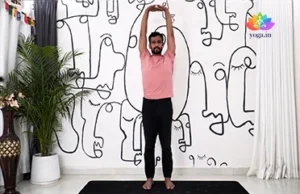
The sanskrit name is derived from tada (ताड़ा) meaning mountain and āsana (आसन) meaning posture or…
Explore →Yoga poses for seizure disorder are gentle, low risk moves that build calm, balance and steady breathing. They are not a treatment and never replace seizure medicine. This page lists safe poses by level, practice tips and warning signs. It does not replace medical care.
Understanding the Category
Seizure disorder, or epilepsy, causes repeated seizures from sudden brain activity. Stress, poor sleep and fatigue can be triggers. These poses are slow and low to the ground. They calm the body and train steady breathing.Rest: Savasana and Supta Baddha Konasana calm the body and breath.Ground: Sukhasana and Marjariasana keep you low, steady and safe.Support: Setubandhasana and Viparita Karani build gentle strength.Sequence: start on the floor. Use a wall and a helper for any standing pose.
Why Practice
Suitability
Contraindications
By Level
By Level
By Level
Anatomy
Practice Tips
Common Questions
No. Yoga cannot cure seizure disorder or replace medicine. Gentle poses may help you relax and manage stress, a common trigger. Always follow your neurologist's plan.
Gentle, floor based yoga is often fine when seizures are well controlled, but ask your neurologist first. Practice with a helper, near a wall and on a padded mat. Avoid heights and inversions.
Savasana, Supta Baddha Konasana, Sukhasana and Marjariasana keep you low and steady. Add Setubandhasana and Viparita Karani when you feel comfortable.
Avoid inversions, fast or forceful breathing, long breath holds and hot yoga. Do not practice alone if seizures are not controlled. Stop at once if you feel an aura or dizziness.
Practice 10 to 15 minutes, once a day at a regular time. Short, calm sessions work best. Keep good sleep and take medicine as directed.
Call emergency services for a seizure lasting over five minutes, repeated seizures, injury or trouble breathing. See your neurologist if seizures change or increase. Yoga does not replace care.
Please login with social account to support this post.